

DC’s Absolute Universe grabbed 10 Eisner Awards, led by Absolute Batman and Absolute Martian Manhunter
At San Diego Comic-Con 2026, DC beat Image and turned two flagship titles into the year’s biggest momentum signal.
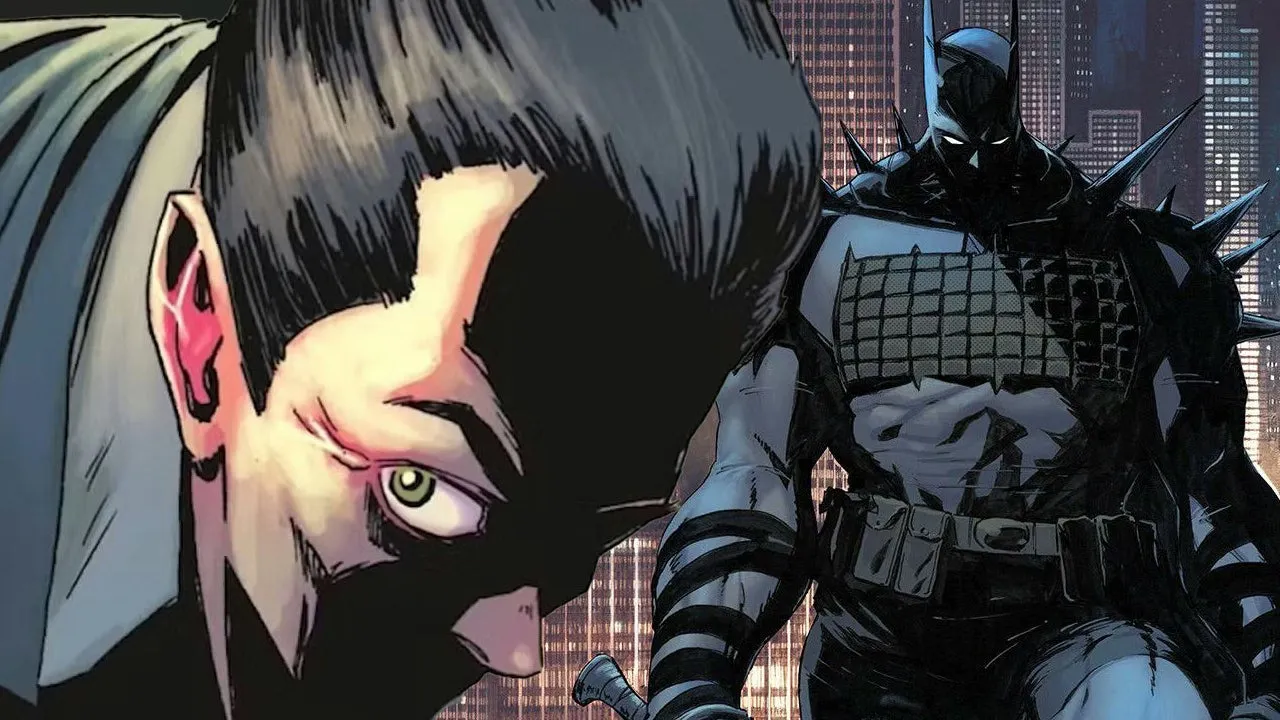
Winners of the 2026 Will Eisner Comic Industry Awards were revealed at San Diego Comic-Con, and DC dominated with 10 awards driven by its Absolute Universe line. For executives across publishing, it is a clear scoreboard for what creators, audiences, and gatekeepers rewarded most this year.
The 2026 Will Eisner Comic Industry Awards just dropped at San Diego Comic-Con, and DC basically treated the night like a funnel. DC took home 10 awards, the most of any publisher, with major wins including both Absolute Batman and Absolute Martian Manhunter.
The two headline-grabbing trophies were direct hits. Absolute Batman won Best Continuing Series, while Absolute Martian Manhunter won Best Limited Series. Both were also named as winners in their respective “Absolute” single-title categories: Absolute Batman 2025 Annual #1 (Daniel Warren Johnson, James Harren, and Meredith McClaren) won Best One-Shot/Single Issue, and Absolute Martian Manhunter #1 (Deniz Camp and Javier Rodriguez) also won Best One-Shot/Single Issue.
If you only watch comics as a consumer hobby, the Eisners are “fun announcements.” If you run a business, they are something else: a real-time read on which projects cleared the hardest filter in the room. The Eisner categories span everything from short stories and humor to memoir and adaptations, so when one publisher wins across the spectrum, it suggests more than one lucky breakout. DC’s Absolute Universe slate appears to be strong both in product types and in the specific narrative lanes that tend to win industry attention: ongoing prestige series, limited-run showcases, and standout single issues.
For decision-makers, the important part is how concentrated the value was. DC’s win count was 10 awards total, followed by Image Comics with four awards. That gap matters because boardrooms and rights teams do not plan around vibes. They plan around signals that influence future investment: creator retention, retailer confidence, advertising partnerships, and the willingness of talent to commit to a publisher that can convert effort into industry recognition. When a line like Absolute Universe shows repeat performance in major categories, it changes internal allocation math. It is easier to justify marketing spend, expand distribution, and greenlight adjacent projects when the awards show proof that the product strategy is working.
There is also a franchise-level lesson inside the category list. “Best Continuing Series” went to Absolute Batman, joining the broader Absolute Universe footprint that DC clearly used to anchor multiple wins. “Best Limited Series” went to Absolute Martian Manhunter, which is the other half of the prestige playbook: keep the flagship engine running (continuing series) while also shipping contained arcs that can win on craft and impact (limited series). Meanwhile, the awards for “Best One-Shot/Single Issue” highlight how DC’s Absolute titles can perform as discrete, high-attention products, not only as part of an ongoing schedule.
The wider market context here is that Eisner categories are a proxy for industry consensus across different readership segments, including early readers, kids, teens, humor, and memoir. DC did not just win one niche lane in this list. The awards spanned multiple high-visibility adult and commercial categories where publishing leaders care about long-term brand building and cross-platform credibility. Meanwhile, Image Comics secured four awards, including Assorted Crisis Events #4 winning Best New Series, and also took wins in other areas on the ballot. That suggests a competitive environment where multiple publishers can win on quality, but DC’s Absolute Universe line delivered exceptional concentration of outcomes.
Now, the second-order implication for executives is about what you do after a night like this. Awards can be marketing, sure. But in publishing, they also function like a forcing mechanism: they pressure teams to preserve what earned recognition, protect creator relationships, and avoid “award inflation” mistakes where you chase the prestige high without matching the underlying editorial and production quality. DC’s awards structure suggests it built a system that can repeatedly land on the jury’s radar. For peers, that means the playbook is not just “launch a big brand.” It is “sustain craft across formats and show dominance across category types.”
In short: DC’s 10 Eisner awards, led by Absolute Batman and Absolute Martian Manhunter, is not just a trophy count. It is a commercially relevant proof point that a modern universe-building strategy can convert into peak industry validation at the exact moment creators and audiences decide what to trust. If you are a publisher, an investor, or a creator negotiating your next deal, this is the kind of scoreboard that reshapes expectations for what comes next.
This story's Key Insights and Take-aways are locked.
Create a free account to unlock Executive Actions for one credit.
Register to UnlockAlways free for Executives Club members. Join the Club
More in Entertainment

'It's a Magic Trick': Ballet Experts Say Rosalía's SNL Pose Is Impossible
Three ballet experts tell Rolling Stone Rosalía's gravity-defying SNL stillness shouldn't be possible - and why the debate is now part of the show.

Activision CMO: GTA 6 Will Boost Call of Duty, Not Bury It
Activision's top marketer says Rockstar's blockbuster will drive players back to consoles and into Modern Warfare 4, even as the company admits its recent strategy failed.
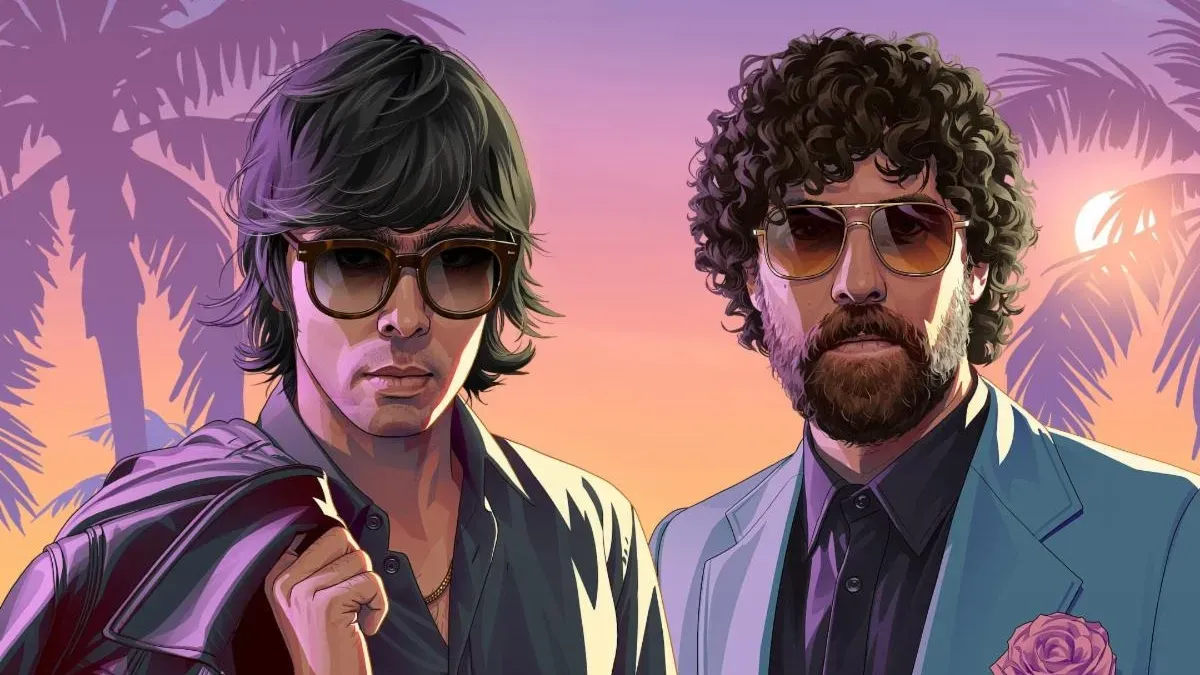
Justice to Score GTA 6, Share New Song with Tame Impala, SZA, King Gizzard
Rockstar taps the French duo for the GTA VI score, and the first taste is a genre-melting collab with Tame Impala, SZA, and King Gizzard & The Lizard Wizard.