
DC Studios tested two Supergirl cuts, then picked its own over Craig Gillespie
Competing versions were screened months before release after test scores struggled to crack 70, pushing a late June theater rollout.
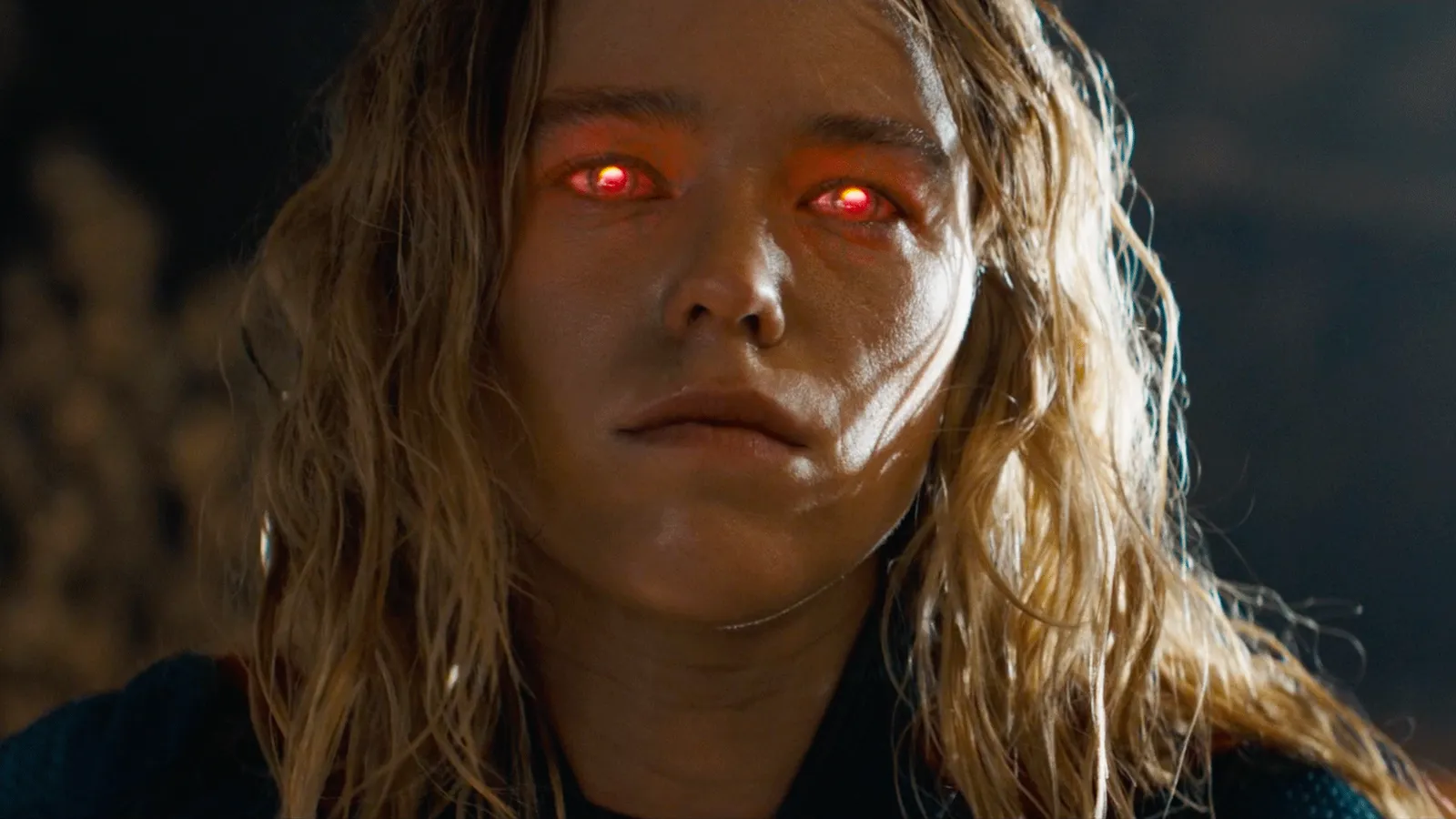
James Gunn and Peter Safran's DC Studios reportedly tested two Supergirl cuts in the final stretch, one from director Craig Gillespie and one made by the studio. The decision to back the studio cut, amid weak test scores and music-related disputes, carried direct consequences for the DCU's theatrical prospects.
DC Studios tested competing Supergirl cuts, one from director Craig Gillespie and one from the studio, and then chose the studio version by just two points. According to The Hollywood Reporter, the rivalry played out late in the process, with the film pulling test scores that struggled to break 70 out of 100, even as multiple screenings tried to land on a direction for Milly Alcock's standalone Supergirl debut.
This matters because the window to “fix it in post” is normally narrow for tentpole releases, and Supergirl's timeline got especially compressed. The site says DC Studios and Gillespie were not “creatively aligned,” and that DC Studios had reportedly known Supergirl would face issues as early as fall of 2025, shortly after filming finished that May. By December 2025, after a so-so screening aired, Gunn and Safran's film wing stepped in and the studio created its own cut with the help of Mortal Kombat 2 and Moon Knight writer Jeremy Slater.
Here is the specific sequence the trade describes. At least four test screenings ran across December 2025, February 2026, and March 2026. Some winter screenings returned test scores in the low 70s, which is not a disaster for a film, but it is not a confident “green light” either. DC Studios then called for two cuts to be made, one from Gillespie and one from the studio, and the key detail is that the period when the two versions tested against one another was when scores dropped.
The exact differences between the two cuts are unclear, but the earlier rumor gives a tangible clue about what the disagreement could have looked like on screen. Gillespie's version was reportedly about 11 minutes longer and placed greater emphasis on Matthias Schoenaerts' antagonist, Krem. In other words, the late-stage choice was not just “more or less stuff,” it was a bet on what the movie wanted to feel like: a longer character and villain focus, or a streamlined studio-tuned alternative.
The studio won out, but only by two points. That margin is small enough to suggest the underlying problem was not a single scene that could be trimmed into perfect form. It is the kind of result that typically tells executives: test audiences do not hate the concept, they just do not connect strongly, and the production needs alignment more than it needs a new coat of paint. One Hollywood Reporter source, an anonymous filmmaker not involved with Supergirl, put it bluntly about the testing process itself, saying that while it happens, it is “not normal,” and adding that if a studio puts money into the test process, it means it feels strongly about certain things. That line is less about drama than about incentives: when test budgets grow, boards and studio heads are already looking for a defensible path to release.
There was another post-production hot potato: the music. Since Supergirl premiered, fans have poked fun at the soundtrack, and one late-movie use of a cover of Jimmy Eat World's “The Middle” became especially controversial. Gillespie previously stated that Gunn is the one who made the call to include the song, and The Hollywood Reporter sources agree. They also say that during a February screening, Cyndi Lauper's “Girls Just Want to Have Fun” was used during the same moment instead. Gunn is said to have chosen that song too, before swapping it out for “The Middle.” That is a classic studio-versus-director tension in miniature: not just what happens in the plot, but what the film sounds like when it is trying to win over an audience.
All of this unfolded against an audience that appears to have been primed to judge early. The trade notes updates on the film's development following a week of negative reactions from fans hoping Supergirl would have “taken flight” before it bombed during its opening weekend at the box office. Supergirl premiered June 26, and IGN gave it a 6/10 review, writing that “Supergirl borrows from the best, but Milly Alcock’s great take on Kara Zor-El gets lost in the spare parts from other movies used to assemble her story.” Another report earlier this week suggested Warner Bros. and DC Studios could stand to lose more than $100 million from its time in theaters.
Now zoom out from one film to how executives think. DC Studios is basically running a case study in risk management: identify when alignment fails, use test screenings to narrow choices, and push a final cut to theaters anyway. For decision-makers at studios, producers, and investors watching franchise content, the second-order implication is clear. When a project requires two competing cuts and still only wins by two points, it signals the creative bottleneck was not just in execution, it was in direction. And when music choices get swapped between tests, then finalized for release, it hints that even the emotional “signature moments” were still being negotiated late in the game. In a world where every major release competes for attention and budgets are tight, that kind of late-cycle uncertainty can be expensive, fast, and hard to reverse after audiences decide what they think.
This story's Key Insights and Take-aways are locked.
Create a free account to unlock Executive Actions for one credit.
Register to UnlockAlways free for Executives Club members. Join the Club
More in Entertainment

Russell Brand's accuser 'bewildered and confused' as he denies 7 sex charges
The criminal case against the comedian is a live test of how media companies manage talent risk when serious allegations go public.

'It's a Magic Trick': Ballet Experts Say Rosalía's SNL Pose Is Impossible
Three ballet experts tell Rolling Stone Rosalía's gravity-defying SNL stillness shouldn't be possible - and why the debate is now part of the show.

Activision CMO: GTA 6 Will Boost Call of Duty, Not Bury It
Activision's top marketer says Rockstar's blockbuster will drive players back to consoles and into Modern Warfare 4, even as the company admits its recent strategy failed.