

DDR4 is back: Intel and AMD revive decade-old RAM to beat price hikes
As DDR5 prices surge, chipmakers are quietly resurrecting older, cheaper memory support, and Gigabyte's new boards are the first sign.
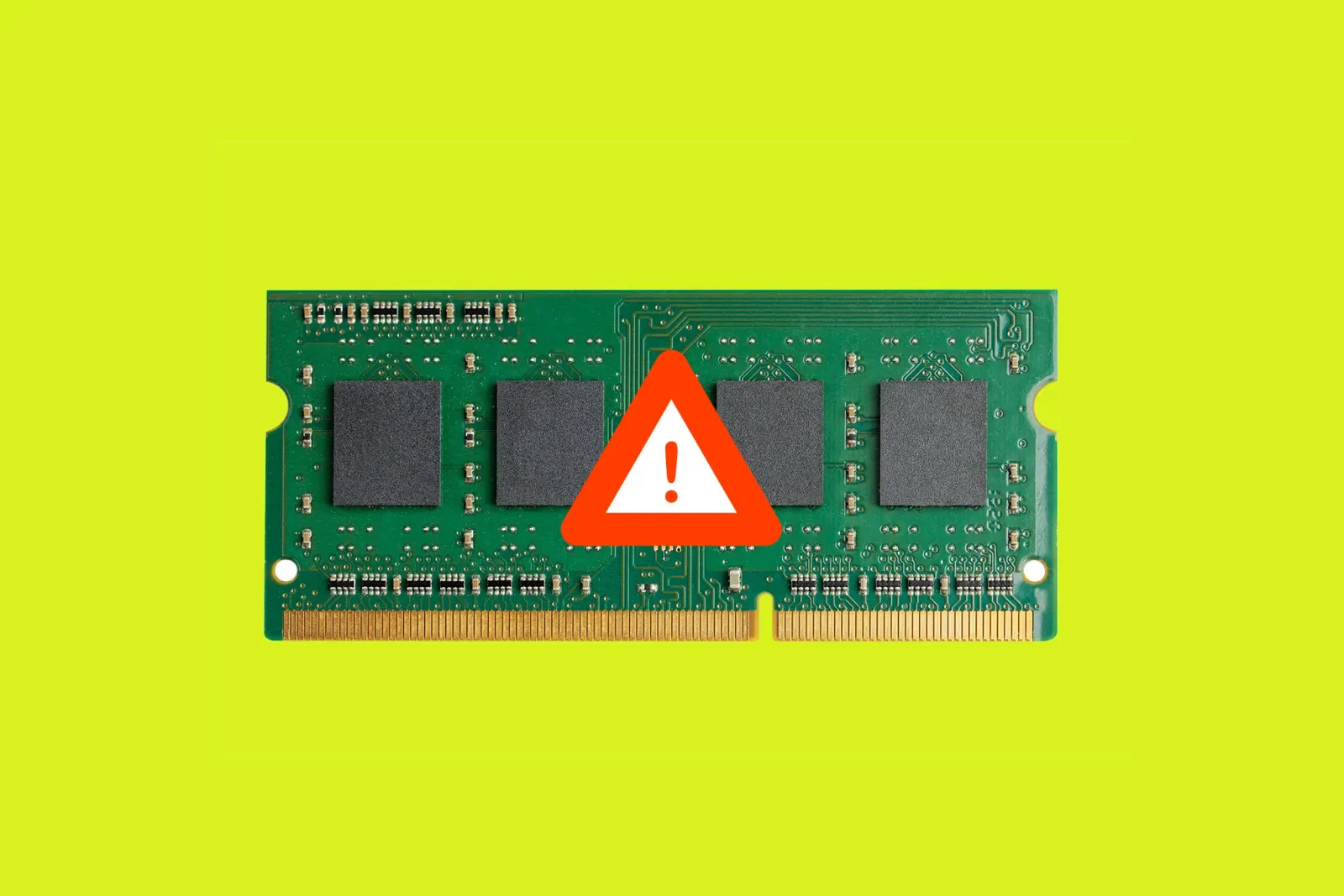
Intel and AMD are bringing back DDR4 support for upcoming CPUs, and Gigabyte has confirmed two motherboard lines will accommodate the older memory standard. For PC buyers and upgrade planners, this could mean cheaper builds without sacrificing performance, but it also signals how persistent memory inflation has become.
DDR4 is officially making a comeback. On Friday, Gigabyte announced that two of its motherboard lines will support 'upcoming' processors built on Intel's LGA 1700 socket, the same socket that debuted in 2021 with 12th gen Alder Lake and originally supported both DDR4 and DDR5. Intel dropped DDR4 for a DDR5-only approach in 2024, but according to Gigabyte, dual-format support is being revived. The move comes as RAM price hikes have made upgrading PCs painfully expensive, and both Intel and AMD are reportedly building new CPUs that support the older, more affordable memory type.
DDR4 is roughly a decade old, having hit the market in 2014, and its return is a direct response to a market where DDR5 prices have climbed relentlessly. For anyone who has priced out a new build lately, the sticker shock is real: memory costs have been one of the biggest line items in a PC upgrade, and the seemingly unending increases have pushed CPU makers to rethink their roadmaps. Instead of forcing users onto the newest standard, Intel and AMD are now hedging, giving buyers a cheaper path to a modern processor without forcing a costly memory swap.
The practical effect is immediate for anyone planning a build. A DDR4 motherboard and memory kit can cost a fraction of their DDR5 equivalents, and for many everyday workloads, the performance difference is modest. For context, DDR4 has been the standard for nearly a decade, and its longevity is a testament to its balance of cost and performance. That is why the dual-format revival matters: it lets buyers keep their existing RAM or buy cheaper sticks while still upgrading to a newer CPU. Gigabyte's announcement suggests motherboard vendors are ready to support that hybrid approach, and if Intel and AMD follow through with actual chips, the upgrade path becomes significantly more affordable.
For Intel, the move is a notable reversal. The company spent years positioning DDR5 as the future, and its 2024 shift to DDR5-only was a clear signal that it wanted to move the market forward. But the price environment has forced a rethink. By returning to LGA 1700, a socket that many thought was nearing retirement, Intel is acknowledging that affordability is now a competitive weapon. AMD, which has historically been more flexible with memory support, is reportedly doing the same, and its participation underscores how widespread the price pressure has become.
The timing is also telling. Memory prices have been climbing for months, and the trend shows no sign of reversing soon. For PC makers and system integrators, that means margin pressure on every build. Offering DDR4 compatibility gives them a way to hit lower price points without sacrificing performance, which could be crucial as consumers tighten budgets. It also creates a secondary market opportunity: existing DDR4 modules, which many users already own, can be repurposed in new systems, reducing the total cost of an upgrade. Historically, older memory standards have lingered for years after their successors arrive, and this move could extend that pattern.
There are strategic stakes beyond the consumer PC. If DDR4 support extends the life of the LGA 1700 platform, it could slow the transition to newer sockets and chipsets, affecting the roadmap for motherboard sales and chipset features. It also puts pressure on memory makers to justify DDR5's premium, especially if the performance gains do not translate into real-world benefits for most users. For executives in the PC supply chain, the message is clear: price sensitivity is back, and the industry's fastest-growing segment may be the one that is most cost-conscious. The memory market is cyclical, and the current surge is a reminder that pricing power can shift quickly.
For decision-makers, the takeaway is to watch how far this reversal goes. Gigabyte's announcement is just the first public confirmation, but if Intel and AMD officially launch DDR4-compatible CPUs, expect a wave of budget-friendly motherboards and pre-built systems. That could reshape the mid-range market and force competitors to respond. It also raises a broader question: if memory prices stay high, will other components see similar backward-compatibility moves? The answer will determine whether the next upgrade cycle is driven by new technology or by pragmatism.
This story's Key Insights and Take-aways are locked.
Create a free account to unlock Executive Actions for one credit.
Register to UnlockAlways free for Executives Club members. Join the Club
More in Technology

A Chinese rocket deorbited over Minnesota and landed in a farmer's cornfield
Experts tied the fragment to LandSpace's Zhuque-2E, which launched on September 15 and shed debris over the American Midwest after deploying 10 satellites.

JPMorgan Chase deploys first $5B into defense tech and hypersonic missiles
The bank is moving off its balance sheet to back robot factories, hypersonic missiles, and supply chains, signaling a new era of bank-backed military innovation.

Cop fired after sharing Flock login with ICE husband: 983 searches
A Savannah officer's shared credential let an ICE agent run hundreds of plate searches on Hispanic drivers, exposing a surveillance backdoor.