
Dead Meat’s James Janisse adds ticketed live-stream to July 18 Horror Awards
The 5th Annual Dead Meat Horror Awards shift from YouTube-only to paid, ticketed watching in 2026.
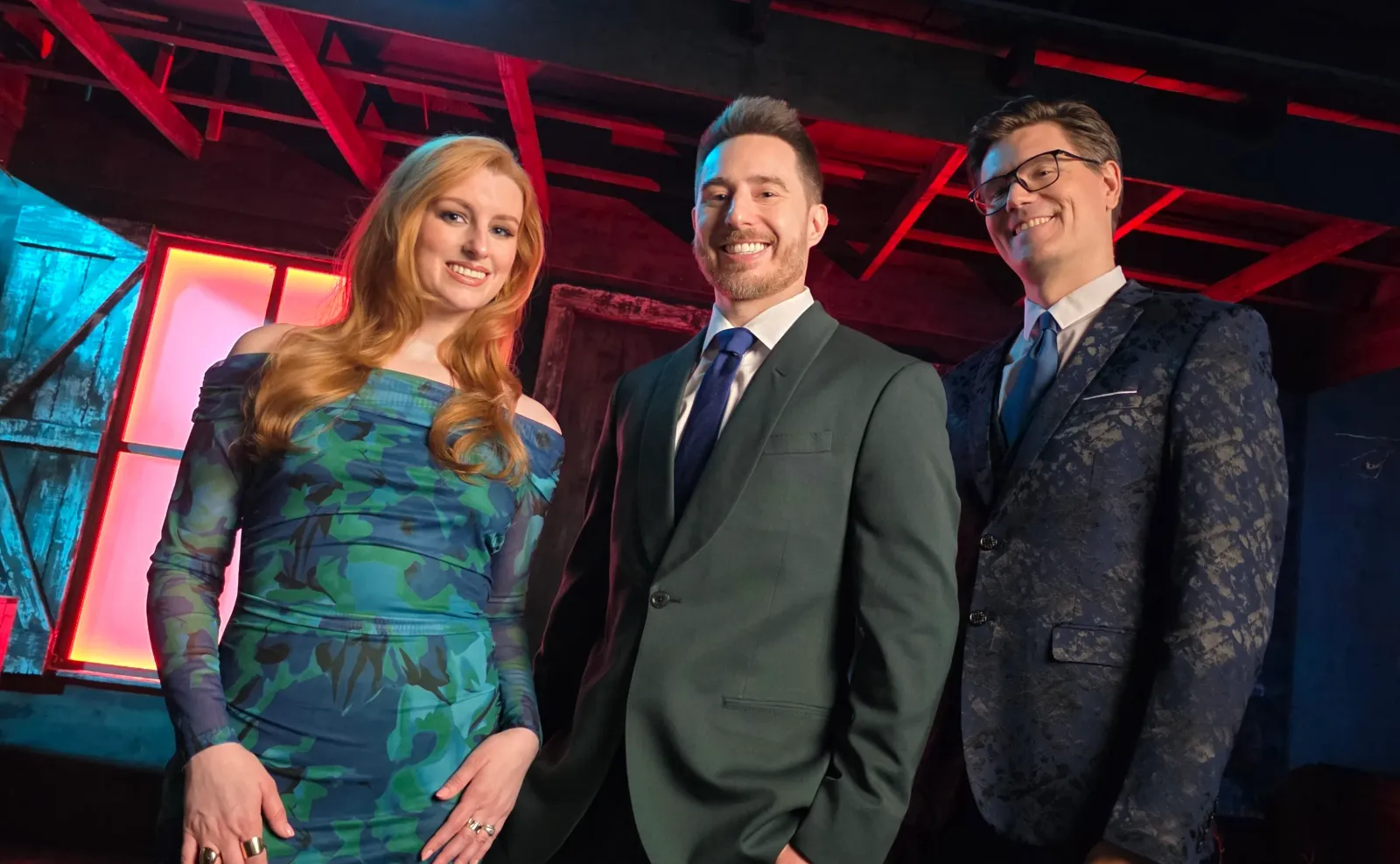
James Janisse and Chelsea Rebecca, the husband-and-wife duo behind YouTube’s Dead Meat channel, are expanding the 5th Annual Dead Meat Horror Awards into a ticketed live-stream alongside YouTube. The change gives decision-makers a clearer read on how creator-led IP is monetizing attention at scale.
YouTube’s Dead Meat is turning its annual horror awards into something you can buy a seat for.
For the first time ever, the “Dead Meat” team is adding a ticketed live-stream event to its yearly awards show. Created by James Janisse and Chelsea Rebecca, the husband-and-wife duo behind the popular YouTuber channel “Dead Meat,” the 5th Annual Dead Meat Horror Awards are pre-taped and will debut on YouTube on July 18, with the ticketed live-stream event running alongside the broadcast.
That “alongside” detail matters, because it signals the team is not replacing YouTube distribution. Instead, it is experimenting with a two-lane model: free-to-watch reach on YouTube, plus a paid layer for fans who want a more event-like experience. In a creator economy where most monetization is either ads, brand deals, or merchandise, moving to ticketed access is a more deliberate product bet. It also shifts what the awards show is. It stops being only content, and starts looking like an audience experience you can attach a price to.
From an incentives standpoint, this makes sense for a team built around a consistent format. Dead Meat’s brand is recognition-driven, meaning viewers return for the familiar structure and stay for the community energy. A ticketed live-stream can convert the “I watch every year” crowd into “I will pay to be there” behavior, without requiring the show to become unrecognizable. The source confirms the awards will be pre-taped, which suggests the producers are trying to keep production workflow stable while still creating the friction that tickets usually create. You do not pay for a reminder you could ignore.
It is also a notable signal about platform strategy. YouTube has long supported paid features across different surfaces, but the Dead Meat team’s decision here is about bundling. YouTube delivers scale and discoverability, while ticketing delivers commitment. For decision-makers evaluating creator partnerships, this is a reminder that distribution platforms and monetization mechanics are increasingly being treated as separate levers. Instead of choosing between them, creator teams can stack them: broadcast on YouTube for audience expansion, then use ticketing to capture incremental willingness to pay.
There is another angle: live-streaming has become a proxy for fan intimacy. Even when the “event” is not entirely live in the traditional sense, ticketing frames it as special, time-bound, and shared. That can change how executives think about engagement metrics. Traditional ad-supported viewing is measured in minutes watched and retention. Ticketed viewing introduces additional signals: conversion rate from interest to purchase, willingness-to-pay segments, and churn risk if fans feel the experience is not meaningfully different each year.
Regulatory and compliance considerations also creep into the picture when you introduce tickets. While the source does not detail operational rules, ticketed events generally require clearer consumer disclosures than free streaming. That includes terms and conditions, refunds or rescheduling policies, and how access is delivered. For a creator brand like Dead Meat, these obligations can be manageable, but they are not imaginary. Once you charge, you inherit a more formal standard of accountability, even if you are still operating within YouTube’s broader ecosystem.
Zooming out, the move is a second-order challenge for peers building creator IP. Many awards shows are stuck in a loop: they are either fully free or fully branded with limited monetization. Dead Meat is exploring a hybrid path. If the ticketed layer performs, it can become a template other creator-led productions imitate: keep the platform-friendly version free, then monetize the experience with a separate paid stream. If it underperforms, the upside is lower risk than launching something entirely off-platform, because the YouTube debut still serves as the default discovery engine.
For executives, investors, and operators watching creator businesses, the strategic stake is straightforward. “Dead Meat Horror Awards” is not just a content format anymore. With ticketed live-streaming added to the annual show, it becomes a recurring, monetizable franchise. And the July 18 timing creates a concrete milestone to watch, because the next question after any ticketed experiment is whether audiences treat it like an upgrade worth paying for, year after year.
This story's Key Insights and Take-aways are locked.
Create a free account to unlock Executive Actions for one credit.
Register to UnlockAlways free for Executives Club members. Join the Club
More in Entertainment

Russell Brand's accuser 'bewildered and confused' as he denies 7 sex charges
The criminal case against the comedian is a live test of how media companies manage talent risk when serious allegations go public.

'It's a Magic Trick': Ballet Experts Say Rosalía's SNL Pose Is Impossible
Three ballet experts tell Rolling Stone Rosalía's gravity-defying SNL stillness shouldn't be possible - and why the debate is now part of the show.

Activision CMO: GTA 6 Will Boost Call of Duty, Not Bury It
Activision's top marketer says Rockstar's blockbuster will drive players back to consoles and into Modern Warfare 4, even as the company admits its recent strategy failed.