
Delivery Hero boards back Uber's $15B takeover
German food delivery giant's management and supervisory boards independently reviewed the offer and now urge shareholders to accept it.

Delivery Hero's management and supervisory boards have independently reviewed and endorsed Uber's nearly $15 billion takeover offer, advising shareholders to accept. This endorsement clears a major hurdle for one of the largest food delivery deals in history, reshaping the competitive landscape.
The boardroom drama is over. Delivery Hero's management and supervisory boards have independently reviewed Uber's nearly $15 billion takeover offer and are now telling shareholders to take the money. The dual endorsement, announced today, is the strongest possible signal that the German food delivery giant's leadership believes the deal is not just fair, but too good to pass up. For Uber, it is a green light to swallow a major European rival and cement its dominance in the global food delivery wars. For Delivery Hero shareholders, it is the culmination of a long, volatile ride that saw the stock swing wildly with the fortunes of the pandemic-era delivery boom and bust. The boards' recommendation is not binding, but it carries enormous weight with institutional investors who look to independent directors for a sanity check on price and strategy. The fact that both the management board, which runs the company day to day, and the supervisory board, which oversees management and represents shareholder interests, reached the same conclusion after separate reviews is a powerful endorsement of the offer's terms. It suggests that even the people who know the company's books best believe the $15 billion price tag is a fair reflection of its standalone value, or at least a better bet than continuing to fight it out in a brutally competitive market. The offer, first reported in the spring, values Delivery Hero at a premium to its recent trading price, a premium that the boards clearly think is worth taking. For context, Delivery Hero has been a serial acquirer itself, snapping up rivals across Asia, the Middle East, and Latin America, and its own shareholders have watched the stock whipsaw as investors questioned whether the company could ever turn a profit. Uber's cash-and-stock bid, if approved, would hand Delivery Hero's investors a liquid exit and a stake in a global platform with far deeper pockets. The deal is not done yet. Shareholders still need to vote, and regulators in multiple jurisdictions will likely scrutinize the combination for antitrust concerns. But the boards' endorsement removes the biggest internal obstacle and puts the onus on regulators to prove the deal would harm competition. For Uber, the acquisition would be a transformative move, giving it a dominant position in Germany and other European markets where it has struggled to gain traction against local players. It would also add Delivery Hero's extensive logistics network and its expertise in quick-commerce, the ultra-fast grocery delivery segment that has become the industry's next battleground. For Delivery Hero's management, the deal is a graceful exit from a business that has been burning cash to fend off rivals like Just Eat Takeaway and DoorDash. The boards' recommendation is a clear admission that the standalone path is riskier than the bird in hand. The deal also has implications for the broader food delivery sector. If Uber swallows Delivery Hero, it will create a behemoth with unmatched scale in Europe, the Middle East, and Asia, putting pressure on smaller players to consolidate or find a niche. Rivals like Just Eat Takeaway, which has been struggling to grow, will face an even tougher competitive landscape. For investors, the deal is a reminder that consolidation in food delivery is far from over, and that even the biggest players are willing to pay up for scale. The boards' endorsement is a signal that the industry's consolidation phase is accelerating, and that the window for independent players is closing. For executives at other delivery companies, the lesson is clear: scale matters, and the cost of going it alone is rising. The deal also highlights the importance of independent board review in M&A. The fact that both boards conducted separate evaluations and reached the same conclusion adds credibility to the process and reduces the risk of shareholder lawsuits. It is a textbook example of how boards should handle a takeover offer, even one that comes from a powerful suitor like Uber. The next steps are straightforward: shareholders will vote, and regulators will review. But with the boards on board, the odds of the deal closing have improved dramatically. For Delivery Hero's shareholders, the choice is now clear: accept the offer and cash out, or hold out for a better one that may never come. The boards have made their recommendation, and it is hard to argue with the logic. The $15 billion price tag is a premium, and the alternative is a future of uncertain profitability in a cutthroat market. The deal is not just a financial transaction; it is a strategic admission that the delivery wars are entering a new phase, one where scale and capital are the only currencies that matter. For everyone watching, the message is simple: the consolidation is here, and the boards have spoken.
This story's Key Insights and Take-aways are locked.
Create a free account to unlock Executive Actions for one credit.
Register to UnlockAlways free for Executives Club members. Join the Club
More in Business
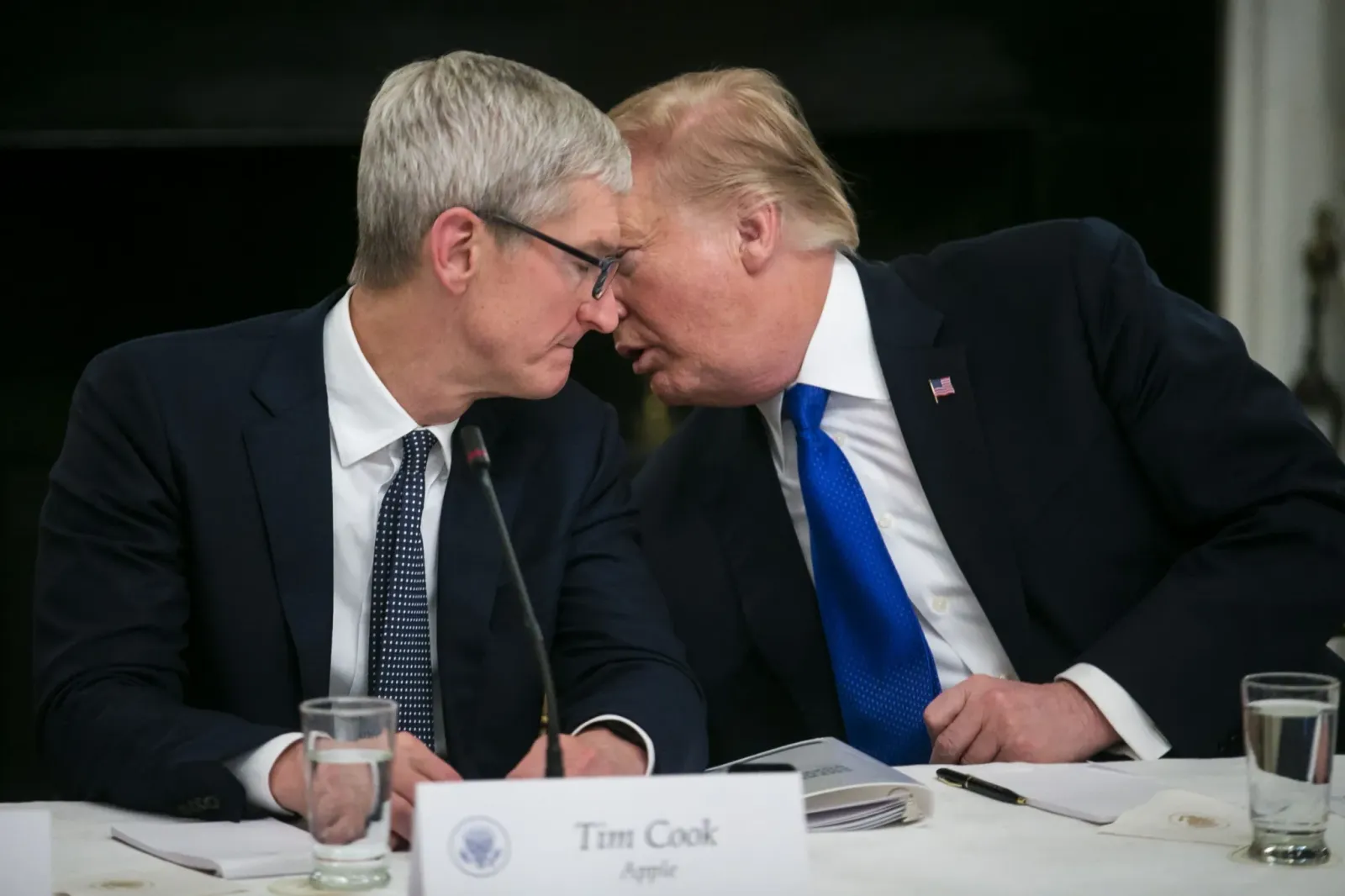
Tim Cook steps down as Apple CEO, stays on as chair with $45M equity
The 'Trump whisperer' keeps his White House and Beijing access as Apple navigates tariffs and a $4.6 trillion market cap.
Snowflake shares surge as AI data demand crushes estimates, lifting full-year forecast
Stocks jumped on stronger-than-expected guidance, signaling enterprise AI workloads are accelerating faster than Wall Street priced in.
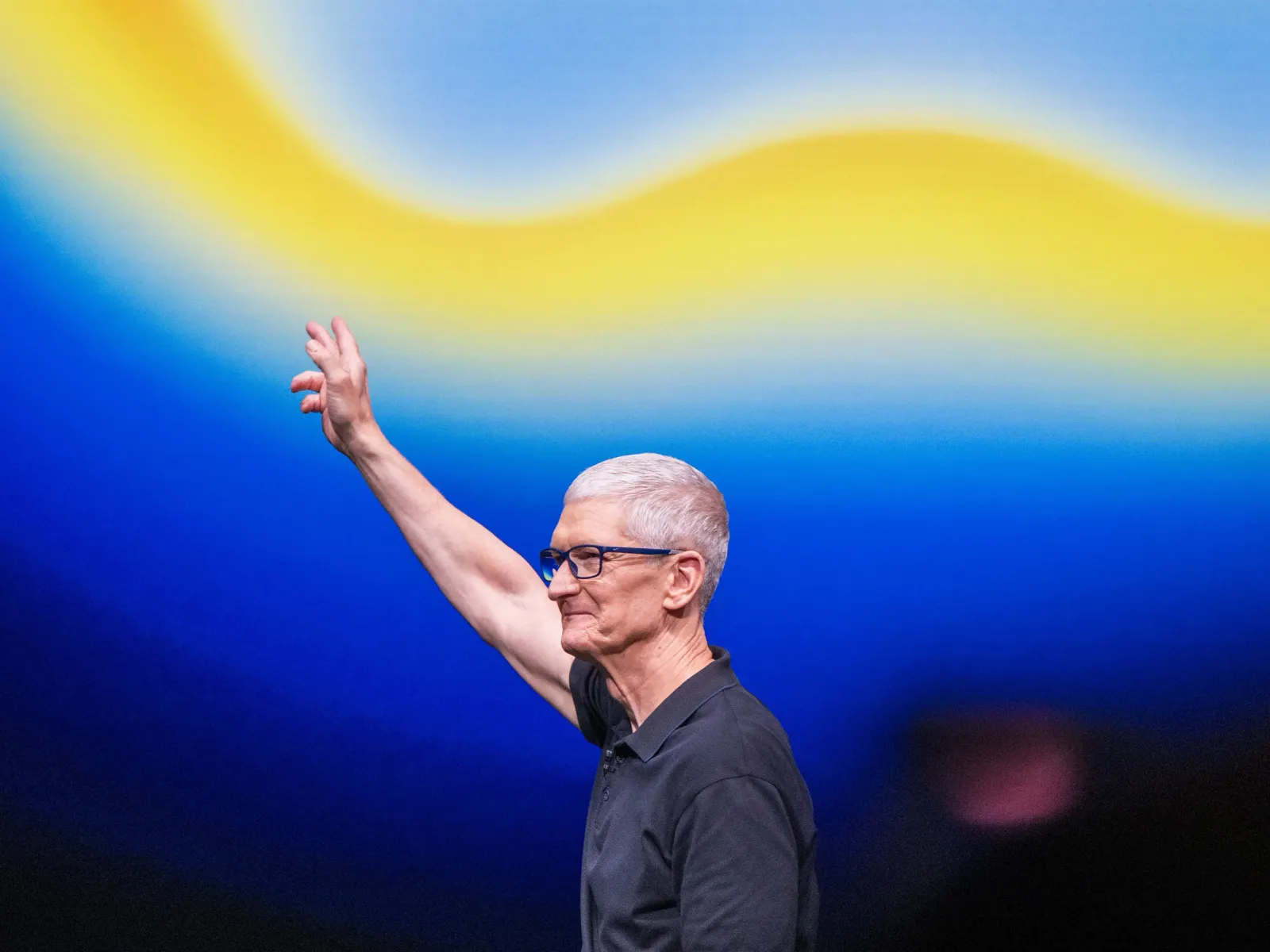
Tim Cook's 15-year Apple CEO run ends: 3 lessons for any successor
After 15 years, Tim Cook hands Apple to John Ternus - here's how he turned a $350B company into a $4.6T juggernaut.