

Democratic incumbents face progressive primary challengers in 2026 as outsider fervor spreads
Incumbent Democrats are bracing for 2026 primaries after outsider waves already removed several sitting lawmakers.
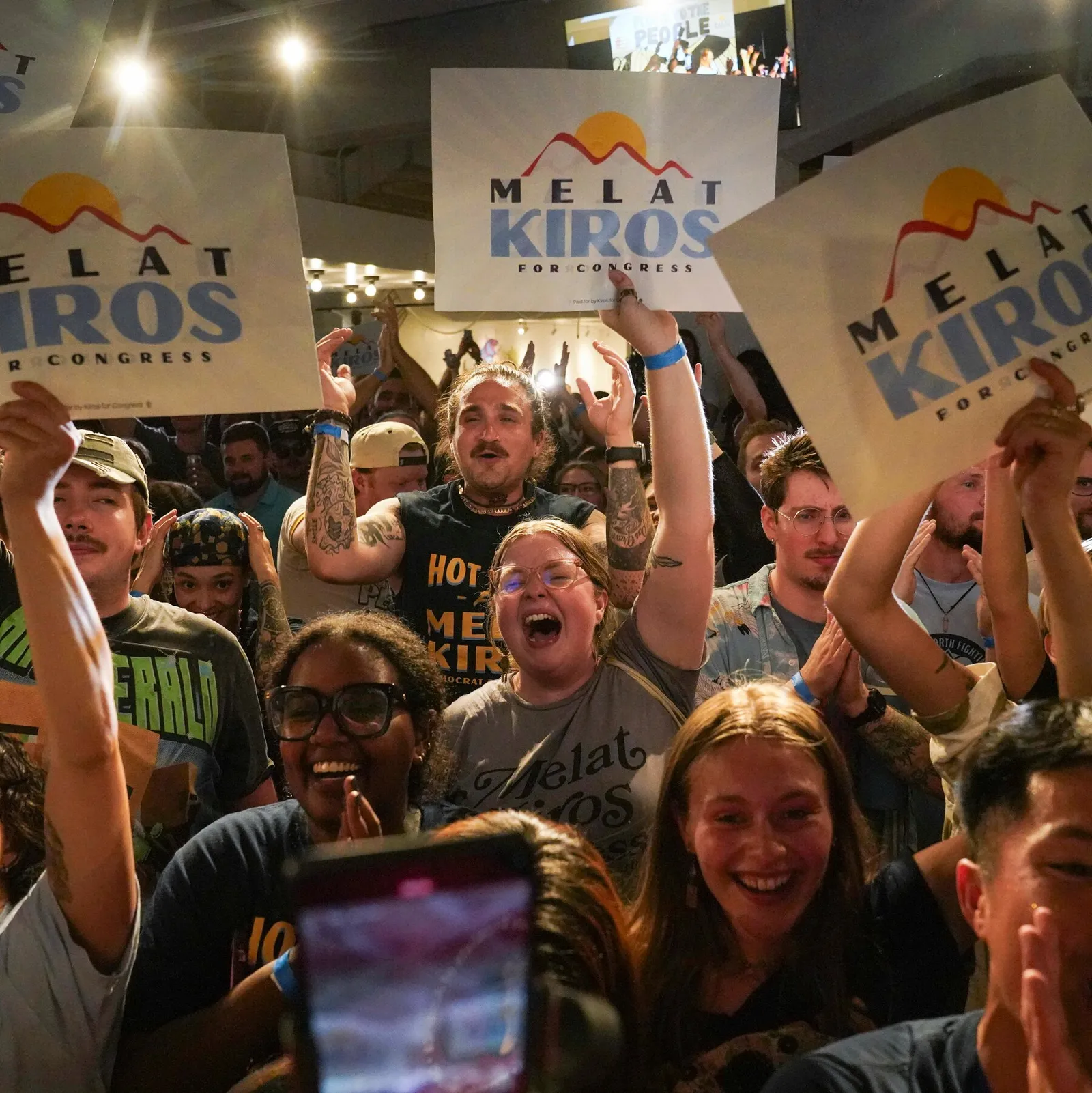
The New York Times reports that outsider fervor has already knocked out multiple Democratic incumbents in primary races. More incumbents now face spirited opposition from progressive primary challengers heading into 2026.
A wave of outsider fervor has already knocked out a number of Democratic incumbents in primary races, That matters because it changes the baseline assumption for any incumbent thinking “primary challenge risks are manageable.” They are not. If outsider energy can unseat sitting lawmakers in earlier contests, 2026 is not a routine election cycle. It is a test of whether incumbency can still insulate lawmakers from the incentives that drive primary voters.
The same report flags that several more incumbents face spirited opposition, this time with progressive primary challengers. Translation for decision-makers: the risk is not theoretical. It has already happened. Primary campaigns are where voters reward authenticity, punish perceived drift, and force candidates to answer for issues in unusually direct ways. When that kind of “outsider” momentum hits, it does not just threaten one-seat math. It can reshape who gets protected, who gets resources, and what kinds of records and coalition stories become liabilities.
To understand why this is so dangerous for incumbents, you have to look at the structure of primary incentives. Primaries are typically where ideology and identity show up with less dilution than in general elections. Donors, activists, and party insiders often talk about winning the general election. But the primary is where activists set the terms. Once an incumbent becomes the symbol of “the establishment,” challengers do not need to out-execute on every issue. They need to make the incumbent look out of touch on the handful of issues that define the moment. Outsider fervor thrives on that mismatch.
There is also a coordination problem for incumbents. When a challenger frames themselves as outside the system, it creates pressure on the incumbent to respond quickly and repeatedly, not once. Every primary debate becomes a micro-reckoning, and every response becomes part of the record. Even incumbents who are strong in fundraising can get dragged into an exhausting narrative battle, especially when the opponent’s central argument is emotional and moral, not technical.
What makes 2026 especially consequential is that primary outcomes affect the downstream political and policy landscape, even when the general election result is not yet known. The New York Times piece is about Democratic incumbents and progressive challengers, but the second-order effect is bigger than personalities. If progressive challengers succeed more often, party leadership has less room to trade gradualism for stability. That can alter the internal bargaining over committee priorities, legislative sequencing, and how quickly certain policy agendas move. In practical terms, it means incumbents who think in terms of long-term legislative calendars may face shorter-term attention cycles driven by primary politics.
For executives, board members, and investors watching politics as a risk variable, the takeaway is about regulatory volatility and implementation capacity. Primary fights can scramble agendas because legislators who are fighting for their political survival may become more publicly responsive to activist demands. That can increase the chance of sudden shifts in tone and priority, particularly around regulatory matters where stakeholders lobby heavily. Even without new legislation, the way regulators interpret, enforce, and set priorities can change depending on who is empowered politically.
And for peers in similar roles, the strategic stake is clear: the report’s core fact is that outsider fervor has already knocked out a number of incumbents in primary races. That is not a one-off headline. It is an indicator of how voter energy is behaving. If you are a Democratic incumbent considering your 2026 posture, you cannot treat progressive primary challengers as a “message discipline” problem you can fix with improved rhetoric alone. You are dealing with an electoral environment that has already demonstrated it can overturn incumbency.
So the right question for any incumbent team is not “Will we survive?” The right question is “Which incentives are we currently signaling to primary voters, and do those signals match what the outsider movement rewards?” The New York Times report tells us the movement has already produced results. In 2026, more incumbents will find out whether they are next.
This story's Key Insights and Take-aways are locked.
Create a free account to unlock Executive Actions for one credit.
Register to UnlockAlways free for Executives Club members. Join the Club
More in Politics

Glacial collapse, not rain, killed 180 in Nepal's Himalayan flood
The Himalaya's extreme geography hid the true cause of Nepal's catastrophic flood, a glacial collapse that turned a geological battleground into a mass-casualty zone.

Iran’s Esmail Baghaei says Oman talks start shipping via Hormuz, not US talks yet
Temporary route plans with Oman aim to restart commerce while Tehran says Washington dialogue is not on the table.

Standards watchdog opens probe into Reform UK deputy leader Richard Tice over interests
The parliamentary standards commissioner says it began an investigation on 28 July into a possible undeclared interest.