

Deniz Camp reinvents Batman in a new Shadow of the Bat volume at SDCC 2026
DC’s Next Level expands with Camp and Javier Rodríguez, plus Batman of Two Worlds and new series reveals.
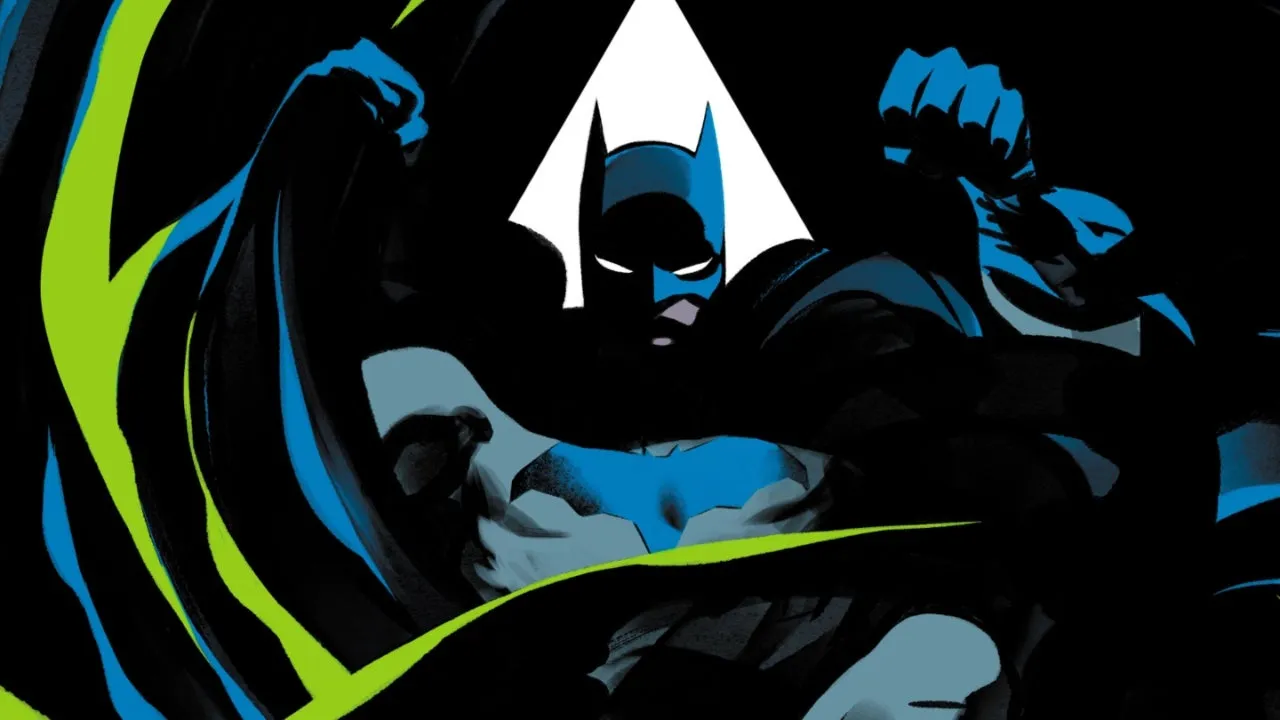
DC unveiled its Next Level lineup at Comic-Con 2026, highlighted by Shadow of the Bat, a new volume written by Deniz Camp and drawn by Javier Rodríguez. For decision-makers tracking IP momentum, the slate signals DC is betting on reinvention plus cross-reads into adjacent “brand universes” like Jonah Hex, The Demon, Static, and Vixen.
DC used Comic-Con 2026 to make one thing very clear: Batman is not standing still, and Deniz Camp is at the wheel. The publisher revealed a new Shadow of the Bat volume written by Deniz Camp and drawn by Javier Rodríguez, positioning it as a story about confronting the failure of Gotham’s institutions and reinventing Batman for the current moment.
That is the headline promise, and the source backs it up with Camp’s own SDCC teaser framing: the series is “very much about confronting the failure of Gotham's institutions and reinventing Batman for the current moment.” In other words, this is not a “new issue, same vibe” announcement. It is a deliberate attempt to pressure-test Batman’s core mythology against modern institutional failure, then reassemble it in a way that can travel with existing readers and pull in new ones.
If you work in publishing, media, or anything that depends on evergreen IP, this matters because Batman is less a character than a system. The “system” includes recognizable iconography, reader expectations, creator credibility, and a constant need to remain culturally legible. DC’s Next Level push has been “a big success... over the past year,” and this expansion into 2027 suggests the company believes that momentum is not a one-off. It is a repeatable play: pair big brand names with creators who can credibly change the angle without breaking the contract readers think they’re buying.
Camp is an obvious fit for that strategy, and DC leans into it by pointing to the creator’s track record with The Ultimates run. The source notes that The Ultimates won IGN's Best Comic Book Series of 2024 award, which is a useful signal for decision-makers because it ties creator strategy to measurable cultural lift. Put differently: DC is not just hiring a writer. It is hiring someone whose work already proved it can convert critical attention into sustained reader engagement.
Batman also gets a second spotlight in September with a star-studded one-shot special tied to Batman Day. Batman of Two Worlds features two interconnected tales. One follows the classic Dark Knight with writing by Matt Fraction and art by Javi Fernández, while the other centers on Absolute Batman with writing by Scott Snyder and art by Nick Derington. Fraction’s statement, as included in the source, explains the creative rationale: “You have two different looks at Batman,” with an emphasis on comparing “the moral structures, the ethical structures, the political structures” side by side to see “the similarities and differences.” For operators, that is a powerful positioning tool. It tells you DC is actively building bridges between Batman “versions” rather than isolating them, which can improve cross-shopping and reduce reader drop-off.
Outside of the Bat-family, the Next Level slate widens the funnel. Exquisite Corpses creator Michael Walsh is writing and drawing Jonah Hex and the Shadow of Death, a new six-issue series. DC’s official description sets up a classic Western catalyst that escalates into something older and stranger: “Welcome to the end of the Wild West,” where a broken-down bounty hunter thinks his bloody, painful, guilty story ended long ago, until something evil arrives in Ashecott. The description frames the threat as more dangerous than a gunslinger, more sinister than an outlaw, and older than the town it seeks to infect, coming “from a world beyond the only one its victims have ever known.” The pitch then snaps into character stakes: Jonah Hex takes notice not only of the otherworldly entities and the child with mysterious abilities they seek, but also “the chance to finally redeem himself.” That redemption engine is the key second-order lever here. Western IP sells action. But horror-tinged cosmic threat sells the fear and the escalation, and redemption sells the emotional payoff.
Then there is James Harren’s The Demon, a new take on an old favorite starring Jason Blood and Hell’s darkness. DC’s description says the world is infested with a darkness people cannot see, with beasts from Hell feeding on humanity’s soul and leaving only a shell behind. Only Jason Blood can see the monsters and cast them back to Hell, but he is “a shadow of the man he once was,” following the face of a wizard long gone, hearing a voice in his head demanding to be let out. The source includes the question that anchors the conflict: “How can Jason Blood help protect the world from demons when he himself is not sure how to work with the one bound to his soul? Will the Demon Etrigan ever rise again?” Again, this is reinvention by structure, not by surface. It builds a world rule (people cannot see the darkness), then builds character contradiction (Jason Blood is both necessary and not whole).
Finally, DC keeps expanding its platform of recognizable properties with a new Static series by Cody Ziglar and Diego Olortegui, and a new Vixen series by Stephanie Williams and Khary Randolph. If you are thinking like a board member or investor, this matters because it spreads bet risk across multiple audiences while still using a creator-led approach. One stable thing across the slate is the insistence on “new era” framing. Even in descriptions that feel like genre packaging, DC keeps attaching creators and their tonal signatures, essentially trying to convert creator-brand equity into retail velocity.
Zooming out to broader DC universe reporting at Comic-Con, the source also notes “we think we know the real villain of the Lanterns TV series,” and that Amazon revealed an exclusive Batman: Caped Crusader video game. Those are not just trivia. They reinforce that DC’s IP strategy is not confined to comics. When multiple formats line up around Batman and adjacent myths, reader attention can become a portfolio resource instead of a one-time purchase. The strategic stakes for peers in publishing and entertainment are straightforward: DC is treating “Next Level” as a system for continuous renewal, not a campaign. The question for other studios and publishers is whether they can match that cadence without sacrificing coherence, and whether the market will reward reinvention that still feels like the same story at heart.
This story's Key Insights and Take-aways are locked.
Create a free account to unlock Executive Actions for one credit.
Register to UnlockAlways free for Executives Club members. Join the Club
More in Entertainment

'It's a Magic Trick': Ballet Experts Say Rosalía's SNL Pose Is Impossible
Three ballet experts tell Rolling Stone Rosalía's gravity-defying SNL stillness shouldn't be possible - and why the debate is now part of the show.

Activision CMO: GTA 6 Will Boost Call of Duty, Not Bury It
Activision's top marketer says Rockstar's blockbuster will drive players back to consoles and into Modern Warfare 4, even as the company admits its recent strategy failed.
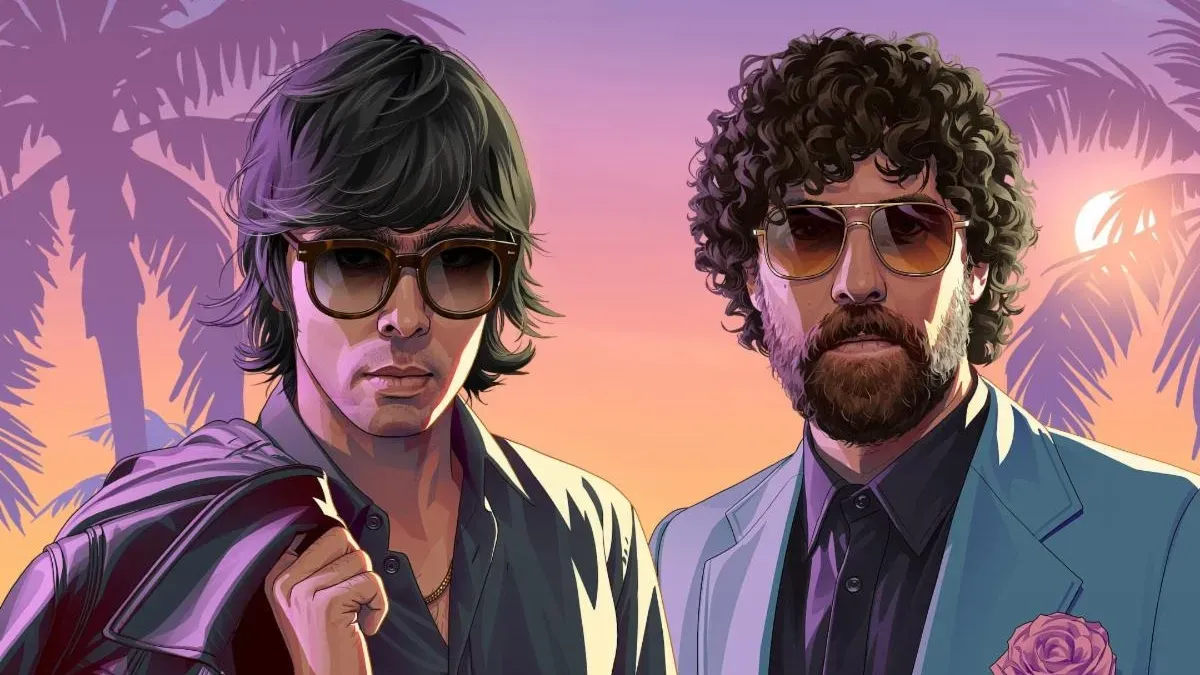
Justice to Score GTA 6, Share New Song with Tame Impala, SZA, King Gizzard
Rockstar taps the French duo for the GTA VI score, and the first taste is a genre-melting collab with Tame Impala, SZA, and King Gizzard & The Lizard Wizard.