
Diablo 4’s composers chase new guitar sounds as Blizzard reshapes its base music identity
Diablo 4’s music team is rebuilding the series sound for the base game and Lord of Hatred, but the guitar stays central.
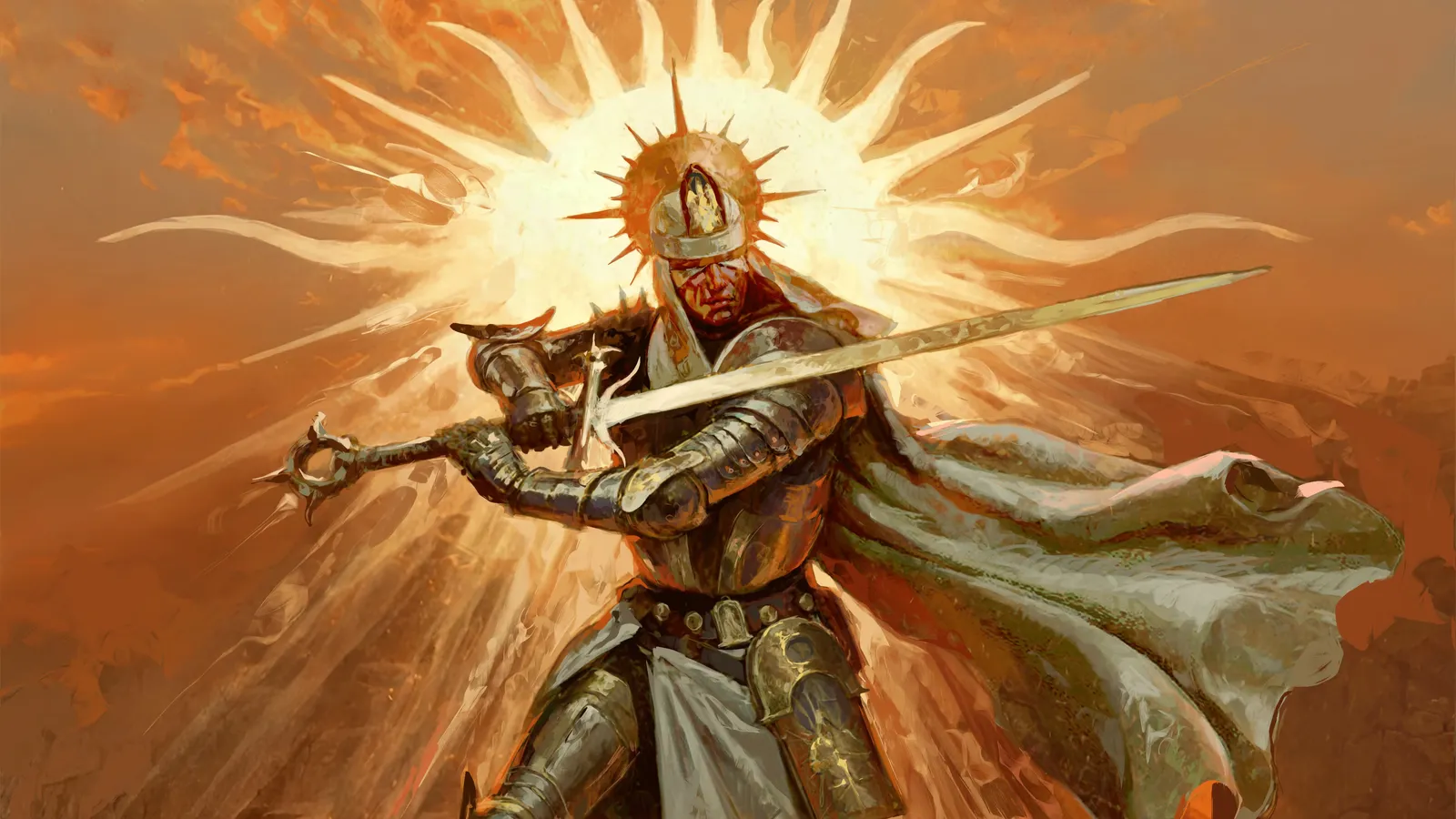
Diablo 4 composers discussed how they are finding new sounds for the base game and the Lord of Hatred expansion. The shift matters because audio identity is part of how players recognize Diablo, and it will shape how future expansions land.
Diablo music has always felt like a signature you can hear before you can explain. It is mournful, personal, ancient and modern at the same time, rooted in vague, mysterious folklore rather than the clear-cut sweep of Tolkien-style epic fantasy. That is not just “cool vibes.” It is a built-in brand cue. When you fire up Diablo, the soundtrack tells you what kind of world you are stepping into.
So when Polygon reports that Diablo 4’s composers are “all about the guitar” but that Blizzard is changing that, the key detail is not whether guitar disappears. It is what changes underneath it. The composers are talking about finding new sounds for the base game and for the Lord of Hatred expansion, meaning Blizzard is evolving the musical identity without breaking the spell players associate with Diablo.
To understand why this is a big deal, look at how players experience games as products, not just entertainment. Diablo is competing against other fantasy worlds that lean into grand, recognizable orchestral signals, like Warcraft and The Elder Scrolls. Diablo’s advantage has been the emotional shorthand: a darker, more intimate sonic language that does not sound like every other high-fantasy epic. In other words, the soundtrack is doing part of the narrative work. If you change it carelessly, you do not just risk “some tracks.” You risk weakening the franchise’s instant recognition.
This is where “finding new sounds” gets interesting from an operator and boardroom angle. Audio direction is sticky. Teams build tooling, pipelines, and authoring habits around what already works. That is true for instrument choices, mixing style, and how themes get reused or varied. Changing the base game and then extending that work to an expansion like Lord of Hatred means Blizzard is managing continuity across multiple production tracks at once. It is one thing to experiment. It is another to keep Diablo feeling like Diablo while the sound evolves.
There is also a strategic incentive to keep the series identity stable while upgrading variety. In live-service thinking, you want newness without whiplash. Music is one of the earliest systems players absorb every time they launch, walk into a zone, or fight a boss. If Blizzard can introduce fresh sonic elements for both the base game and Lord of Hatred while retaining the recognizable Diablo texture, it can refresh engagement without forcing players to re-learn the brand.
From a creative standpoint, “the guitar” functions like a compass. Polygon’s framing matters: the composers are known for that guitar-centered identity, but Blizzard is changing what “all about the guitar” means in practice. That could include new techniques, variations, and how guitar interacts with the rest of the soundscape. The important constraint is emotional. Diablo’s music is described as mournful, personal, ancient and modern. If the new sounds support that same emotional mix, players get evolution, not rupture.
Zoom out further and you get an ecosystem implication. Gaming audio is not regulated like certain industries, but it is still subject to corporate risk management. Soundtracks influence player sentiment, streamer clips, and community discussion, which can spill into broader brand perception. When a franchise moves its audio language, it can change how people talk about the game. That is why the details from the composers matter. Blizzard is not abandoning Diablo’s folklore-rooted, distinctive tone. It is iterating within it.
For executives, the second-order stake is consistency across deliverables. The base game sets the baseline for the franchise sound. Lord of Hatred, as an expansion, needs to both reward existing players and attract new ones with a clear sense of theme. When the same creative team is describing the process of finding new sounds across both, it signals an internal discipline: continuity plus controlled change.
And for peers making their own long-running products, this is a transferable lesson. You can modernize without homogenizing. You can change the “how” while keeping the “why” intact. Diablo’s music identity is powerful because it is specific and emotionally legible. Blizzard’s job is to evolve the guitar-forward sound, layer in new sonic ideas, and still deliver that unmistakable feeling when the first notes land.
This story's Key Insights and Take-aways are locked.
Create a free account to unlock Executive Actions for one credit.
Register to UnlockAlways free for Executives Club members. Join the Club
More in Entertainment

Russell Brand's accuser 'bewildered and confused' as he denies 7 sex charges
The criminal case against the comedian is a live test of how media companies manage talent risk when serious allegations go public.

'It's a Magic Trick': Ballet Experts Say Rosalía's SNL Pose Is Impossible
Three ballet experts tell Rolling Stone Rosalía's gravity-defying SNL stillness shouldn't be possible - and why the debate is now part of the show.

Activision CMO: GTA 6 Will Boost Call of Duty, Not Bury It
Activision's top marketer says Rockstar's blockbuster will drive players back to consoles and into Modern Warfare 4, even as the company admits its recent strategy failed.