
Disney confirms Mara Jade’s canon return after 35-year wait
The franchise finally acknowledges an iconic Legends figure, changing the calculus for what gets revived and why.
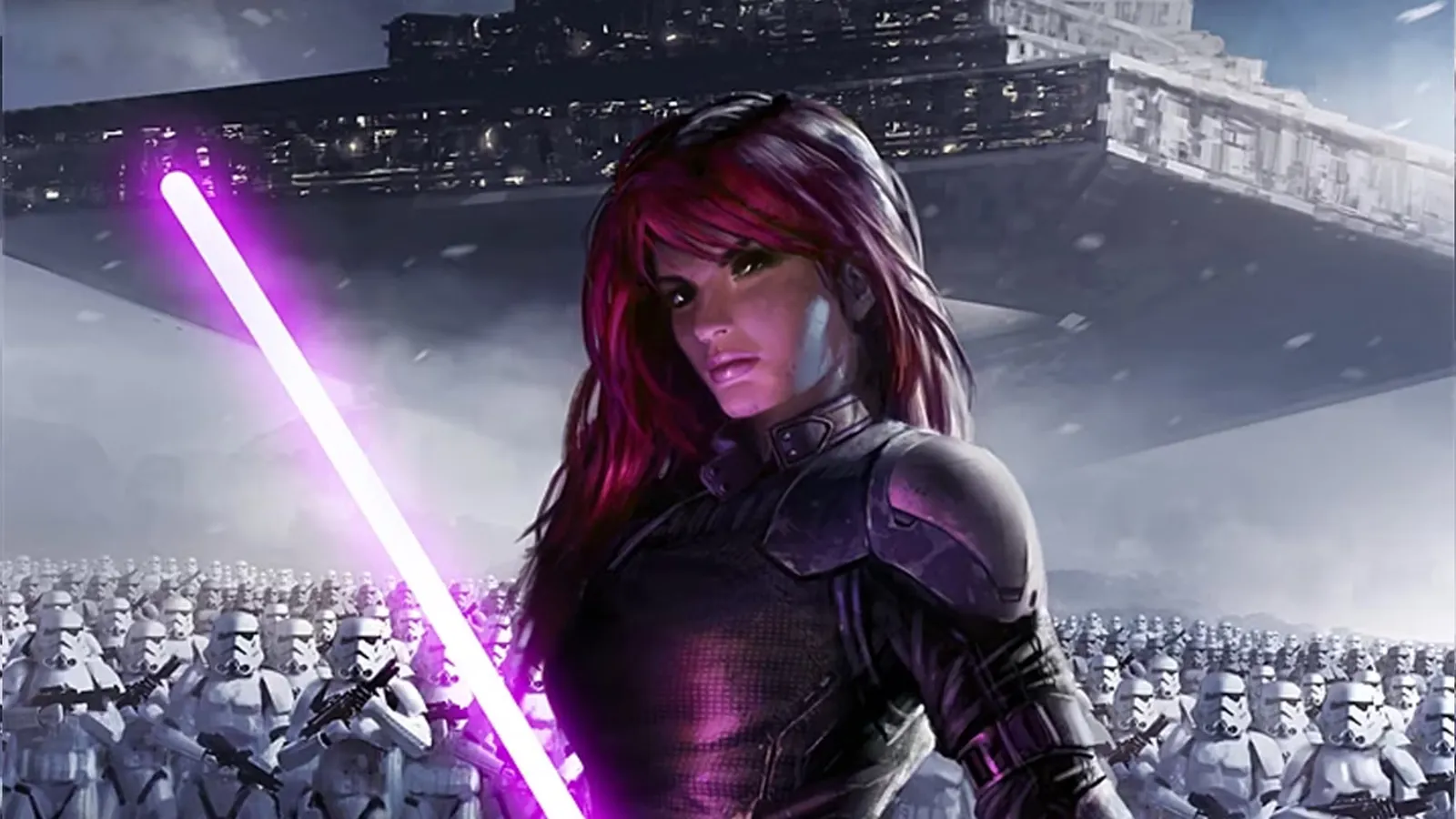
Disney has officially confirmed the return of Mara Jade Skywalker after a 35-year wait. For decision-makers, the move signals a new willingness to pull recognizable Legends IP back into canon.
For 35 years, Mara Jade Skywalker has lived in the gap between what Star Wars fans canonized in their heads and what Disney would actually acknowledge on-screen. ScreenRant’s update matters because it is a reversal, not a whisper: Disney is finally acknowledging the existence of one of its most iconic characters from the Star Wars expanded universe.
That confirmation is the headline event, and it resolves a long-standing friction point. Mara Jade has been one character that could not “claw her way back into the canon side of the franchise.” While some concepts from Star Wars Legends have appeared in canon Star Wars projects over the years, Disney has refused to let certain fan-favorite characters, including Mara, make the jump. After decades of fan pressure and franchise storytelling churn, Disney’s acknowledgment now turns that refusal into an explicit return.
To understand why this is significant beyond fandom, you have to zoom out to how modern franchise IP gets managed. Disney is running Star Wars as a portfolio of narrative and commercial assets, where “canon” is not just a story label, it is an operational constraint. Canon determines what writers can rely on, what games and books can reference, and what audiences treat as the official backbone of the universe. When a beloved Legends character stays outside canon, it forces creators and consumers into a split worldview: the richer fan histories exist, but they cannot fully plug into the mainline timeline.
This is why the specific way Disney handled the Legends-to-canon pipeline is such a clue about incentives. ScreenRant notes that “some concepts from Star Wars Legends have trickled through into canon Star Wars projects over the years.” That pattern implies Disney was not opposed to borrowing from Legends in general. Instead, the company historically restricted “certain fan-favorite characters like Mara” from making their way over. In other words, Disney appears to have been selectively importing ideas, while blocking direct character returns.
The second-order implication for executives and boards is that this kind of selective canon policy can function like risk management. Direct character returns can introduce continuity complexity: arcs, relationships, and timelines that may not align cleanly with the mainline story. Even if a character is popular, canon re-entry raises governance questions about who owns continuity, how much retroactive canonization is allowed, and how much the broader creative engine has to bend to fit an older character’s established lore. A cautious approach keeps the franchise more modular.
So when the franchise officially confirms Mara Jade’s return after a 35-year wait, it signals that whatever governance or creative friction existed has loosened. The article frames it as Disney acknowledging her existence now, which is a big deal because it collapses that earlier split. Mara Jade is not just a nod. The confirmation effectively expands the “official” universe for audiences who track canonical legitimacy with near-religious intensity.
For peers evaluating franchise strategy, the lesson is about how to measure “flexibility” in IP systems. ScreenRant’s details suggest Disney was willing to pull in Legends elements gradually, but resisted full character adoption for a long time. That means a sudden canon return does not happen in a vacuum; it typically reflects internal decisions about creative control, brand consistency, and the franchise’s ability to absorb legacy IP without destabilizing the timeline.
Finally, there is the commercial and community stakes. Mara Jade is described as one of the most iconic Star Wars characters outside of major live-action and animated projects. Bringing her back to canon is a direct response to a large, persistent audience segment that has been waiting for official validation. That can increase engagement not just with Star Wars content, but with the wider ecosystem around it, where expanded universe material has historically been both a source of passion and a potential bridge to new audiences.
If you are a CEO, content executive, or investor thinking about how legacy IP survives the present, the strategic takeaway is simple: canon is a lever. Disney just pulled it, and Mara Jade is the proof. The company is not merely maintaining a universe. It is actively renegotiating what counts as official, which can reshape future storytelling options, partnerships, and audience trust across the franchise.
This story's Key Insights and Take-aways are locked.
Create a free account to unlock Executive Actions for one credit.
Register to UnlockAlways free for Executives Club members. Join the Club
More in Entertainment

'It's a Magic Trick': Ballet Experts Say Rosalía's SNL Pose Is Impossible
Three ballet experts tell Rolling Stone Rosalía's gravity-defying SNL stillness shouldn't be possible - and why the debate is now part of the show.

Activision CMO: GTA 6 Will Boost Call of Duty, Not Bury It
Activision's top marketer says Rockstar's blockbuster will drive players back to consoles and into Modern Warfare 4, even as the company admits its recent strategy failed.
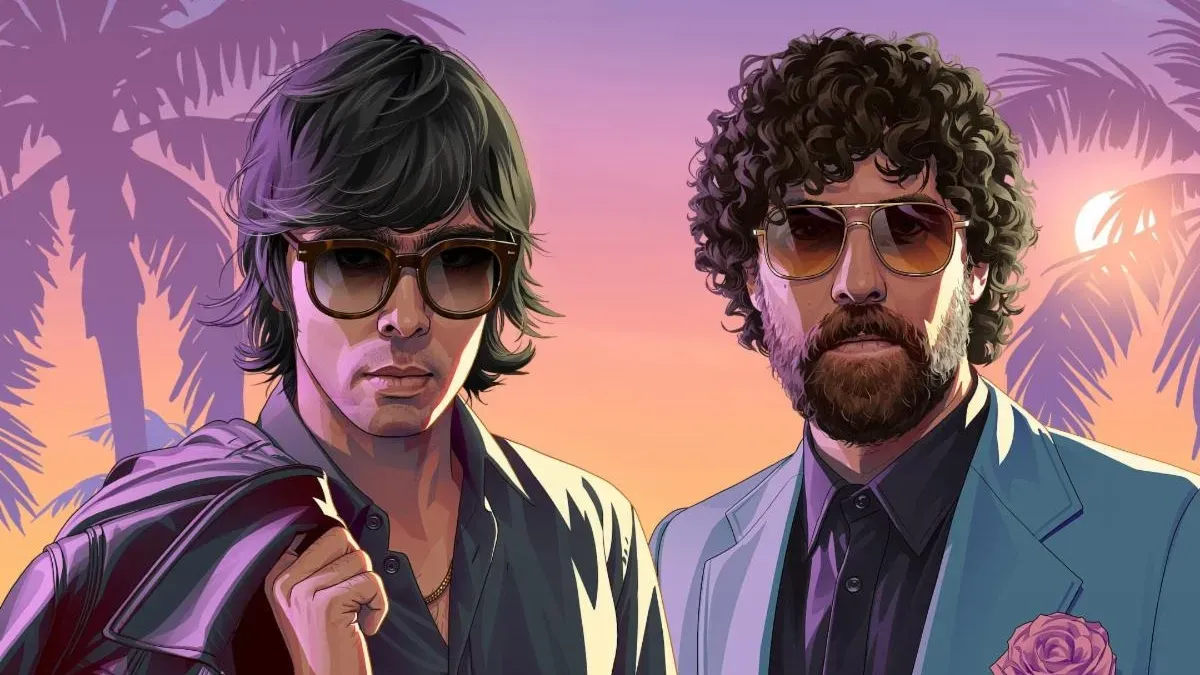
Justice to Score GTA 6, Share New Song with Tame Impala, SZA, King Gizzard
Rockstar taps the French duo for the GTA VI score, and the first taste is a genre-melting collab with Tame Impala, SZA, and King Gizzard & The Lizard Wizard.