
DOJ drops subpoenas for New York Times journalists after judge questions filings
A federal judge pushed back, and the Justice Department backed off demands for grand jury testimony and phone records.

The Justice Department agreed to withdraw subpoenas it filed seeking grand jury testimony and phone records from New York Times journalists. For decision-makers watching press-freedom and DOJ enforcement, the episode signals how quickly cases can change when a judge applies pressure.
The Justice Department is dropping the subpoenas it filed against New York Times journalists, after a federal judge sharply questioned the government in court on Thursday. The subpoenas sought grand jury testimony and phone records, two very specific forms of information gathering that can carry outsized risk for both journalists and the legal system trying to access them.
New York Times attorney David McGraw said after the government agreed to withdraw the subpoenas of Times journalists. In other words, the headline moment was not a slow negotiation or a process that dragged on for months. It was a court room pressure point, delivered in real time, that caused the government to reverse course.
To understand why this matters beyond the immediate legal win, it helps to know the basic shape of what the DOJ was trying to do. A grand jury subpoena is a tool that can compel testimony, often connected to investigations that are not always publicly described in detail at the same time the subpoena lands. On top of that, phone records requests push into a different category of material, raising additional questions about what the government needs, how it will use it, and what it might expose about sources and reporting processes.
This is where judges can change the tempo. In the same way that regulators can force a company to pause a product launch by questioning its compliance basis, a federal judge can force prosecutors to re-evaluate whether they have the right path forward, at the right level of specificity, supported by the right rationale. The source does not spell out the judge's exact reasoning, but the sequence is clear: Thursday's sharp questioning preceded the agreement to withdraw. That ordering matters because it suggests the court was not rubber-stamping what the DOJ filed.
For media companies and their counsel, the practical effect is straightforward: subpoenas that demand testimony and phone records can disrupt reporting, create immediate legal and operational costs, and increase the pressure on newsroom operations to identify and protect sources. Even when a case does not ultimately result in the compelled disclosure of material, the fact that the government asked can have a chilling effect on the willingness of sources to engage. That second-order impact can outlast the case itself, which is why the withdrawal is more than a procedural footnote.
For DOJ decision-makers and their stakeholders, withdrawals also carry an internal cost. Every subpoena involves drafting, legal review, and alignment with the investigative strategy of the office driving the effort. A court challenge that leads to withdrawal can be read as a signal that future filings must be more tightly reasoned, more carefully scoped, or more clearly justified in the face of judicial scrutiny. That does not necessarily mean the underlying investigation is abandoned. But it does mean this specific enforcement approach is no longer on the table.
Boards and executive teams at companies that deal with regulators should recognize the pattern. Compliance risk is not only about whether you can eventually explain your position. It is about how quickly enforcement actions can be reshaped when external gatekeepers, like judges, demand a higher standard or a clearer justification. In markets, speed is a form of control. In legal systems, control often belongs to the court. When the court applies pressure, the government may have to adjust immediately.
There are also broader implications for press-freedom debates and the boundaries of investigative power. Journalists operate in ecosystems where communications can be sensitive and sources can be vulnerable. Phone records requests, even when they are intended to serve an investigative purpose, inherently raise questions about surveillance-adjacent effects and the line between seeking relevant information and sweeping too broadly. A withdrawal after sharp questioning underscores that courts can act as a check, potentially narrowing how aggressively prosecutors pursue these requests.
For peers in similar roles, the strategic stakes are real. Media organizations, legal departments, and even corporate compliance leaders can treat this as a case study in how quickly legal leverage can shift. When a filing triggers judicial skepticism, the path forward can flip fast, from compelled action to withdrawal. The executive takeaway is not to assume outcomes will follow initial filings. It is to plan for judicial friction, build robust legal posture early, and understand that a courtroom interaction can have immediate operational consequences.
This story's Key Insights and Take-aways are locked.
Create a free account to unlock Executive Actions for one credit.
Register to UnlockAlways free for Executives Club members. Join the Club
More in Politics
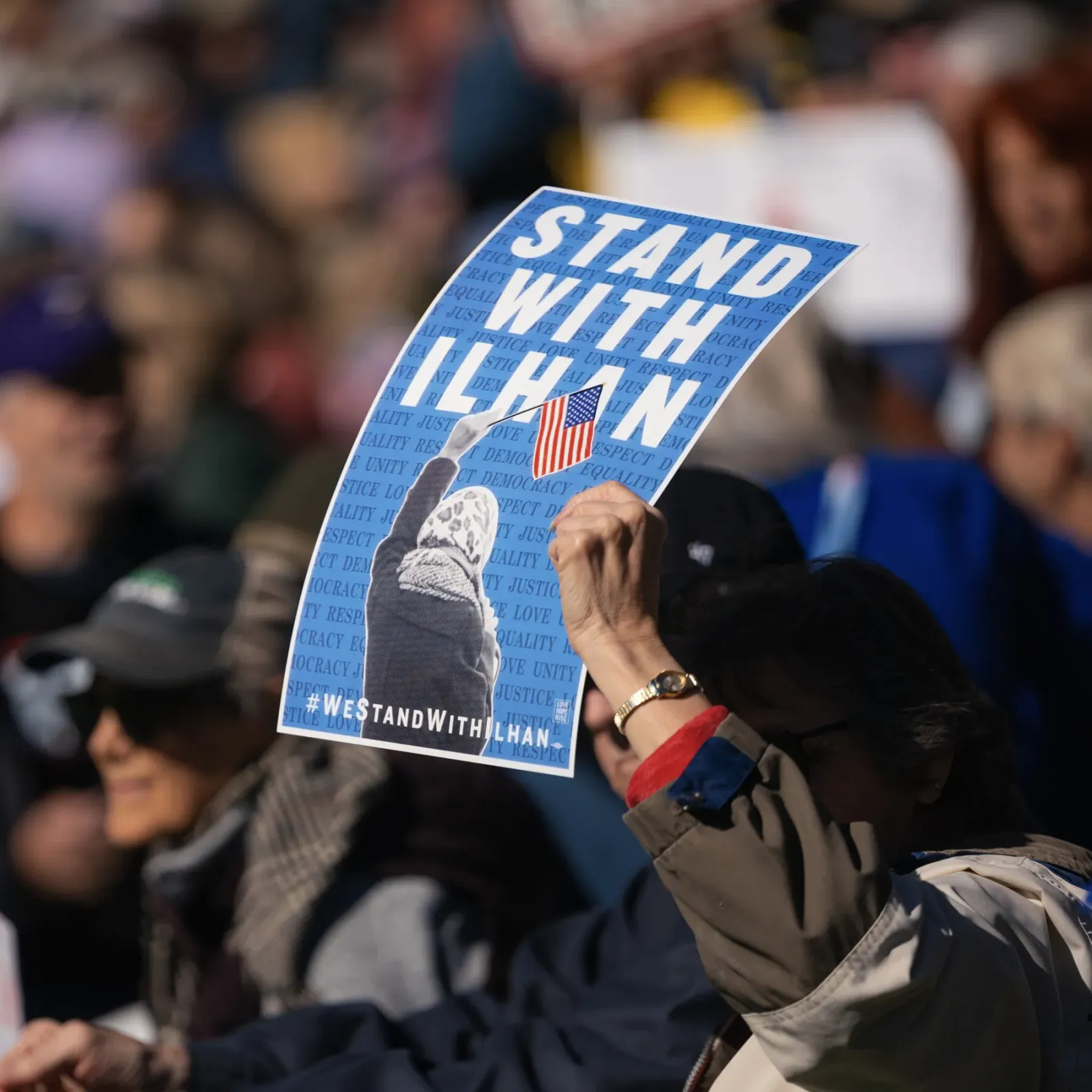
Obama Defends Ilhan Omar After Agents Search Her Home in Trump Inquiry
The former president's intervention raises the stakes in a federal probe into immigration paperwork that has put a prominent progressive lawmaker in the crosshairs.

Blair-era minister: cut welfare to fund youth job support
Alan Milburn's call for welfare cuts to fund employment support opens a Labour fight over benefits and the Neet crisis.
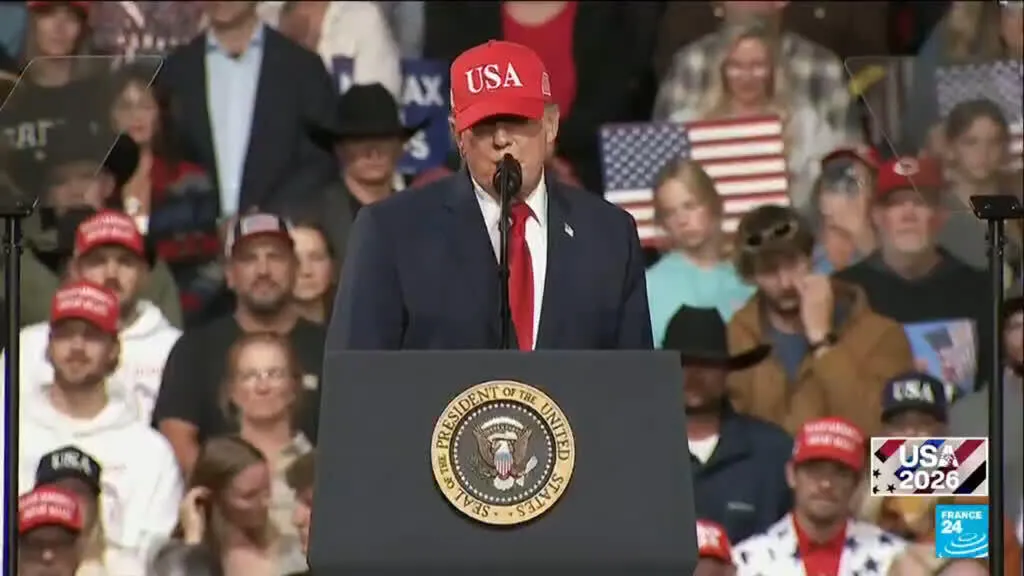
Hot September CPI: energy costs surge, voters feel the squeeze before midterms
The latest inflation print lands as Trump campaigns for GOP control of Congress, putting cost-of-living worries at the center of the midterm fight.