

DOJ subpoenas New York Times reporters signed by Jay Clayton, senators ask why
Capitol Hill grilling centers on grand jury demands and the First Amendment line in a leak probe tied to Air Force One.
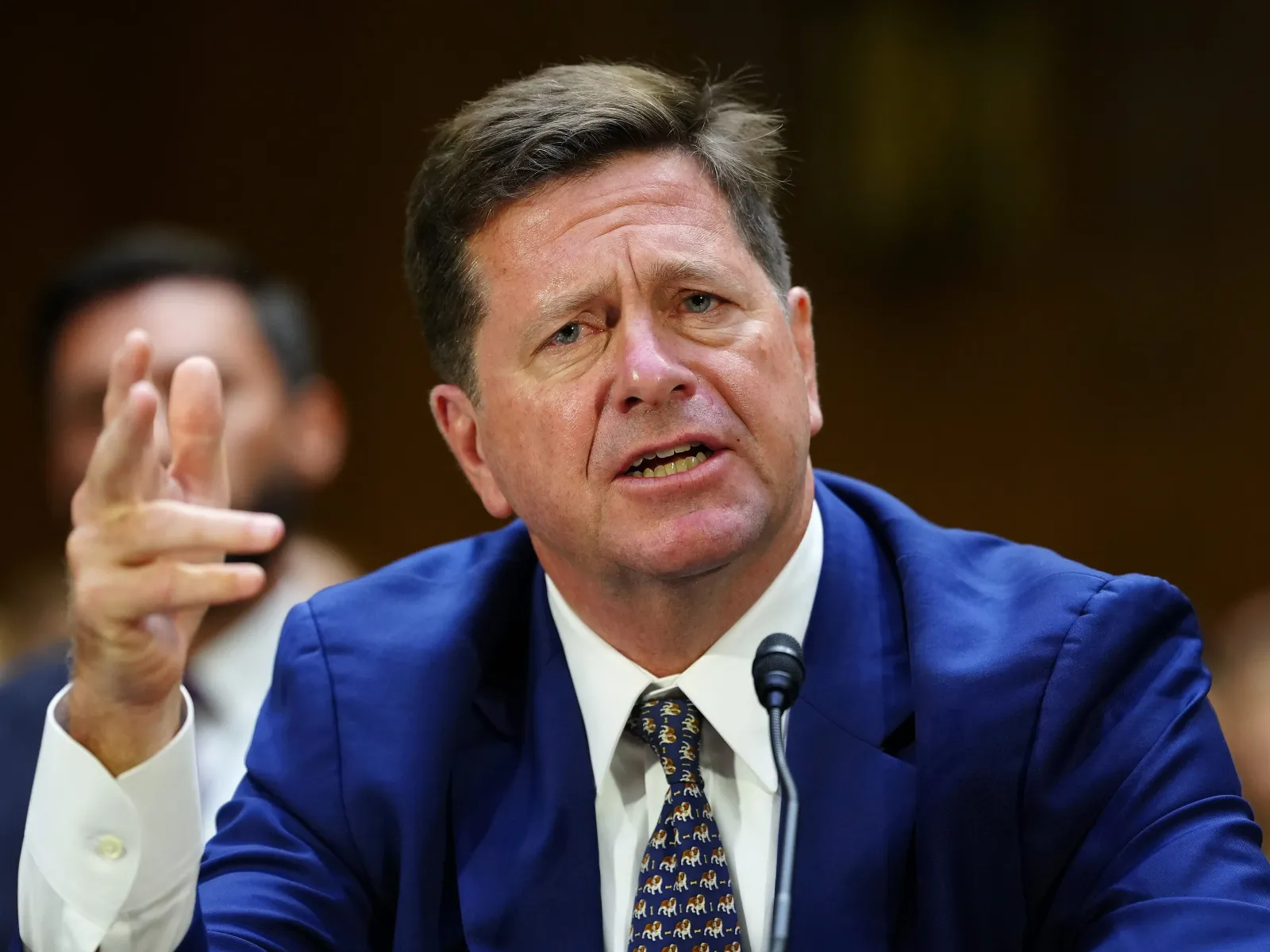
Jay Clayton, the US Attorney for the Southern District of New York, signed grand jury subpoenas for five New York Times reporters after the paper ran a story on security flaws in President Donald Trump's new Air Force One. Senate Democrats used confirmation and oversight hearings to press top DOJ officials on why journalists were targeted and how the department framed the request.
Senators on Capitol Hill grilled top Justice Department officials over a decision that feels like it should not exist in 2025, subpoenas compelling New York Times reporters to testify to a grand jury. The subpoenas were issued as part of a leak investigation, and the papers were signed by Jay Clayton, the US Attorney for the Southern District of New York, according to the reporting.
In two separate hearings on Wednesday, senators questioned Clayton on the logic of what Sen. Ron Wyden called a “flagrant attack” on journalists, and they pressed Todd Blanche, President Donald Trump’s nominee for attorney general, on whether the department was “targeting reporters.” The subpoenas were not vague inquiries either. They required the five New York Times reporters who were subpoenaed Friday, Julian Barnes, Eric Lipton, Tyler Pager, Eric Schmitt, and Adam Goldman, to testify before a grand jury in Manhattan, initially demanding their appearance on Wednesday, according to the Times previously reported.
Why these subpoenas now matters because the underlying story involves national security and an aircraft that is front and center in the political imagination. The New York Times published an investigation the previous day about security concerns with the new Air Force One plane, donated by Qatar. The Times reported that the modified Boeing 747-8 plane lacks the same sophisticated antimissile defense capabilities of the old aircraft.
Clayton’s defense, as framed at his confirmation hearing before the Senate Intelligence Committee, was procedural and First Amendment flavored. Wyden, an Oregon Democrat, asked why Clayton took the unusual step of signing off on subpoenas to journalists. Clayton said he would be “happy to talk” about the approach to the First Amendment and efforts to limit, “to the greatest extent possible any intrusion into the operation of the free press.” He also told Wyden that he followed “the process that we were required to follow,” and that he asks his team, “What do you think?” Clayton described any action as a “consultative exercise” with prosecutors in his office.
From a legal and operational standpoint, the department’s posture has a clear shape in the source. The subpoenas were signed by Clayton as part of what he told senators was “an ongoing national security investigation.” And the White House directed FBI Director Kash Patel to oversee the leak investigation into the Times’ reporting about Air Force One, according to the Times. That is a meaningful detail for any executive or board member watching government risk, because it signals coordination across the policy and law enforcement chain, not just a routine prosecutor decision.
Blanche’s hearing on the other committee ran in parallel, and his framing highlighted the department’s theory of relevance. During his confirmation hearing before the Senate Judiciary Committee, Sen. Peter Welch asked Blanche if he supported Patel’s effort to subpoena the Times journalists. Blanche said the Justice Department saw the journalists as “material witnesses,” the same way “reporters would be witnesses to a car crash.” He added that the question the department wants to ask is who provided the reporters with classified national security information, which, he said, “everybody in this body should want to protect.”
The Times has responded in a way that underscores the reputational and constitutional stakes. A spokesperson for The New York Times declined to comment on Blanche’s and Clayton’s comments to the Senate committees. But in an email to the newsroom Saturday, Times Executive Editor Joe Kahn called the subpoenas a “retaliatory abuse of prosecutorial power.” He argued the subpoenas were “a naked attempt to intimidate individual reporters” and to prevent The Times and other independent news media from doing reporting protected by the First Amendment. Kahn also said the paper would mount a full defense and would fight to ensure the attempt to suppress coverage of a matter “clearly in the public interest” does not impede accountability reporting.
For context, the source notes that during the Trump administration, the Justice Department took a more aggressive stance toward journalists. Last year, then-Attorney General Pam Bondi made it easier for prosecutors to obtain search warrants and subpoenas for members of the media by scrapping Biden-era policies that required department officials to weigh alternative ways to obtain information. Put simply, this is happening in a larger trend where the government’s threshold for compelling media involvement appears to have moved in a more permissive direction.
The second-order implication is not limited to newsrooms. When subpoenas aimed at journalists become part of national security leak investigations, businesses that touch sensitive information can feel the chill too, especially those with government contractors, classified data exposure, or cross-border supply chains. Even if you never expect to be subpoenaed yourself, you are watching how the department draws the line between investigating leaks, compelling testimony, and the “operation of the free press.” For executives and boards, the strategic stake is calibration: how much risk to assume, how to govern communications, and how to prepare for a legal environment where media coverage and investigations can collide at the pace of a headline.
This story's Key Insights and Take-aways are locked.
Create a free account to unlock Executive Actions for one credit.
Register to UnlockAlways free for Executives Club members. Join the Club
More in Politics
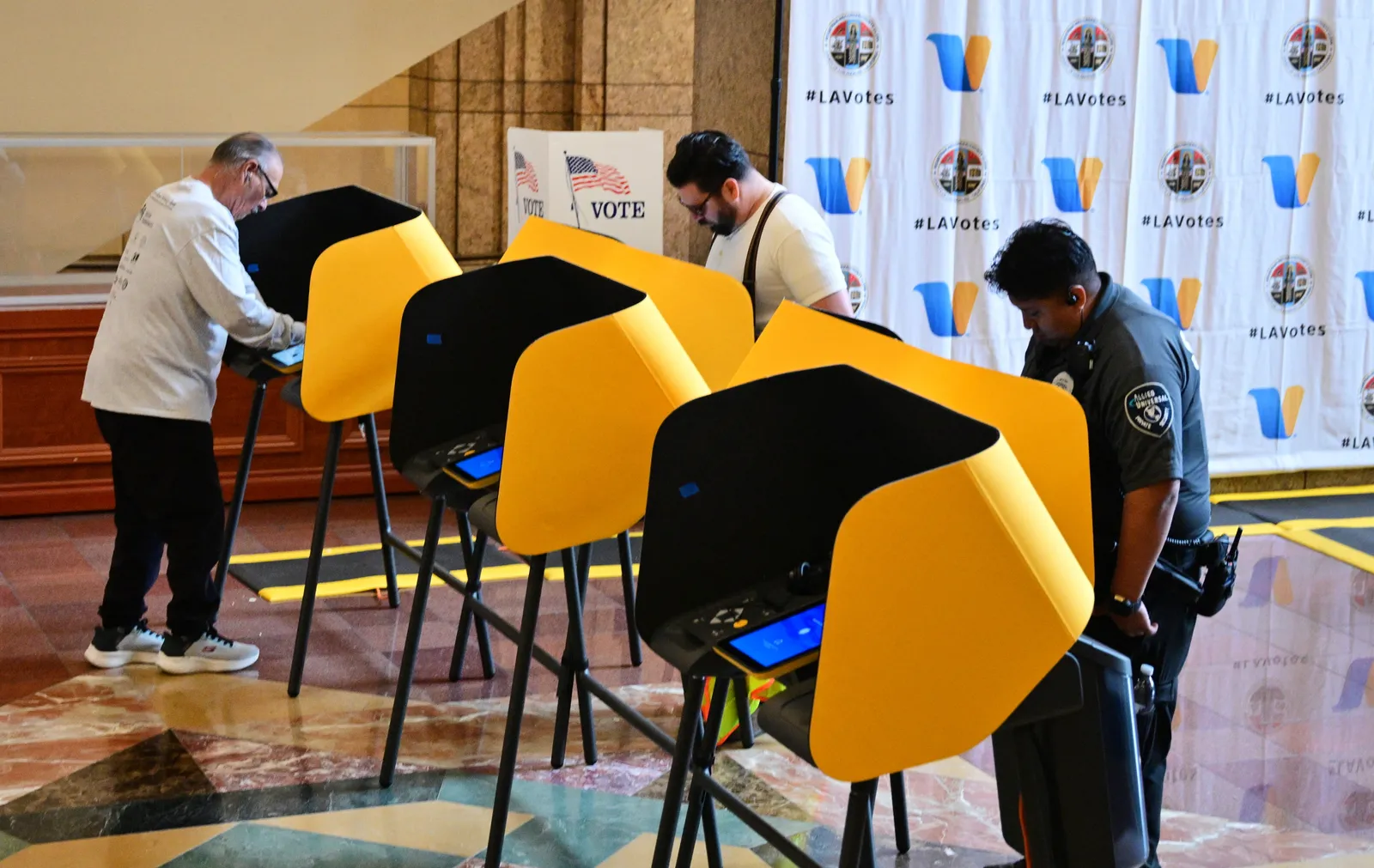
LA County: DOJ's 20,000 'noncitizen' voter list is 'unreliable,' includes U.S.-born
Preliminary review by Los Angeles County election officials finds errors in the federal list, raising the stakes for voter roll integrity ahead of November.
Trump's $1.5B Pentagon chip investment lands in North Carolina
A $1.5 billion defense infusion for North Carolina chipmaking signals a new era of Pentagon-backed reshoring - here's what it means for the industry.
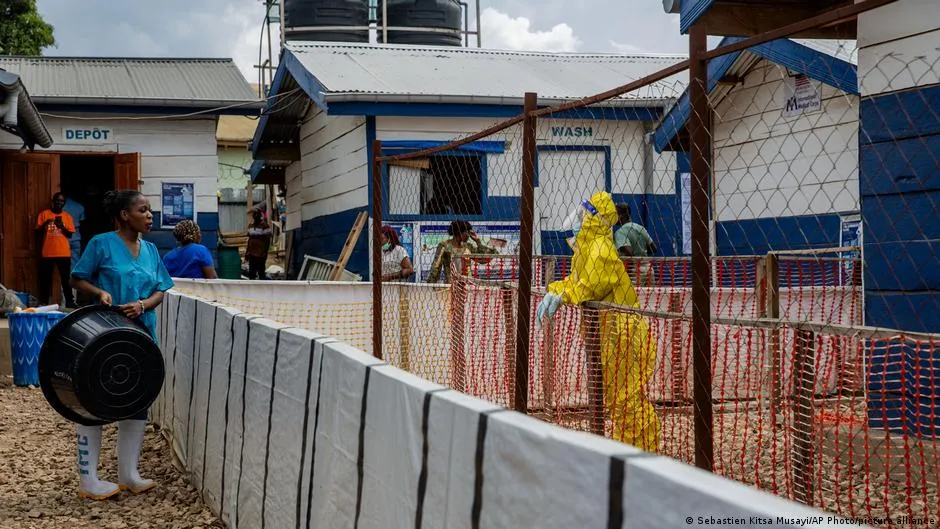
Nigeria confirms first Ebola case in Abuja, a woman just off a Uganda flight
Health Minister Muhammad Ali Pate says the patient flew in from Uganda, putting Africa's latest outbreak on Nigeria's doorstep.