

Doom composer Bobby Prince dies, closing the chapter on a generation of classic shooter music
Bobby Prince wrote the soundtrack for Doom and other classic shooters. His death matters to game historians and modern studios alike.
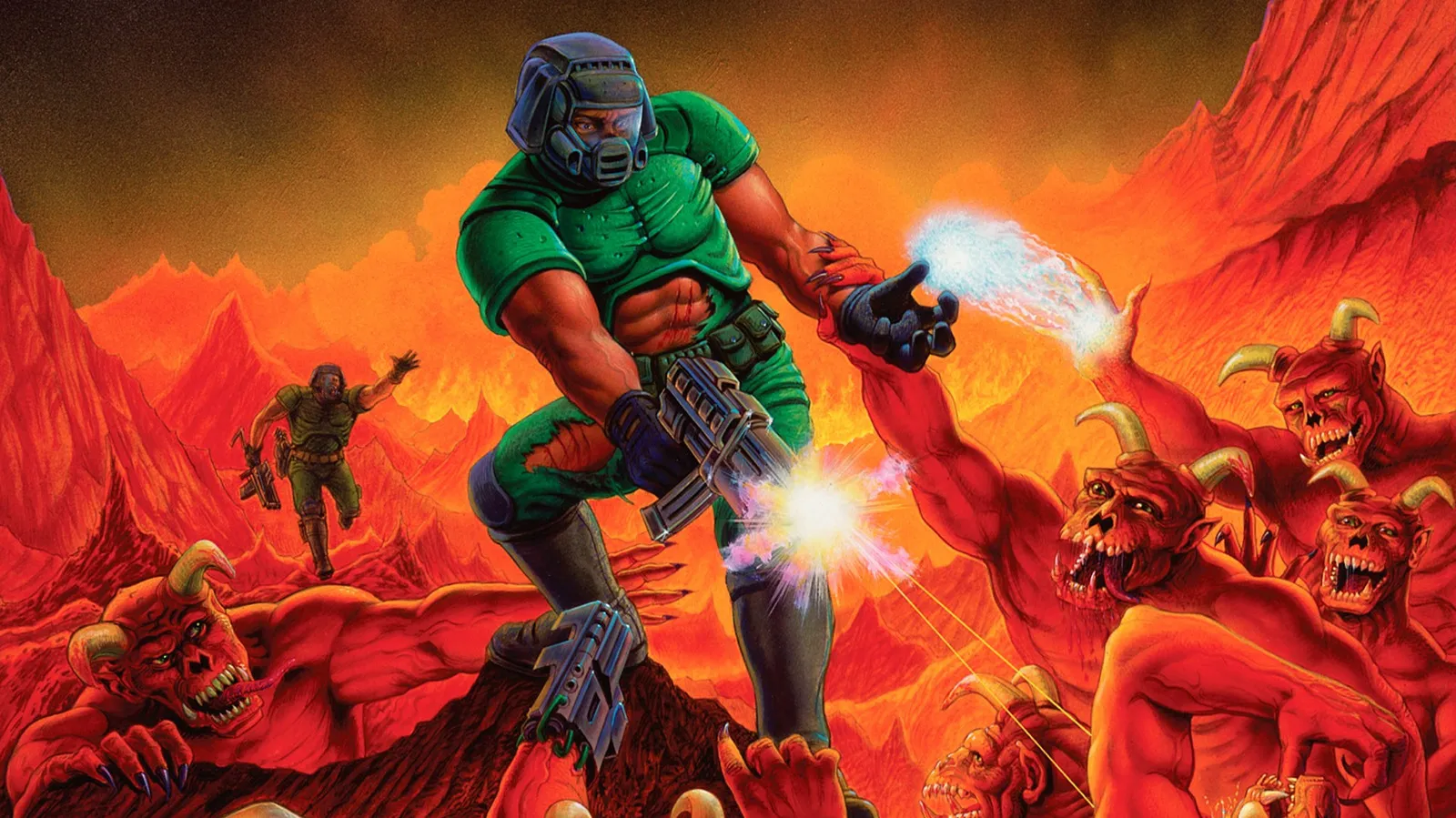
Bobby Prince, the composer known for Doom and other classic shooters, has died. Decision-makers across the games industry should recognize the cultural and brand impact of the music that still defines modern nostalgia and production choices.
Bobby Prince, the composer behind Doom and other classic shooters, has died. That sentence is simple. The weight behind it is not.
Doom is more than a landmark title. It is a blueprint for how fast, loud, and instantly readable action feels in interactive entertainment. Prince’s music helped make that blueprint stick in players’ brains, even for people who have never sat down with the original sound mix on purpose. When a composer attached to that era passes away, the story is not only personal. It is also about why the industry still remembers certain games as “the” games.
For executives, it helps to zoom out and remember how game music works as a business asset, even when the transaction happens once. The soundtrack becomes part of the product’s identity long after launch. It travels through streaming, YouTube reuploads, cosplay and live events, and the endless “best of” compilations that turn old games into evergreen content. That is not marketing fluff. It is the basic reason modern studios keep licensing, curating, and reissuing older titles with care: when a franchise has durable cultural recognition, audio is one of the fastest paths to emotional recall.
Prince’s death also lands at a moment when the industry is constantly renegotiating what “production” means. Studios have more tools than ever for creating music and adaptive audio, from procedural systems to modern composition pipelines. But the invisible question underneath is always the same: what do players actually connect with? In the case of Doom, the connection is historical and sensory. The sound Prince helped create did not just decorate gameplay. It shaped the pace. It told players when tension was rising, when action was about to land, and when to move. Executives deciding how to allocate budgets and headcount for audio and post-launch experiences should treat that as a signal: “feel” is still a competitive advantage.
There is also a regulatory and standards backdrop worth noting, even for an obituary-style item. Music licensing and rights management have grown more complex as digital distribution and streaming became the default. Firms rely on catalogs that can be reused safely across new platforms, with clear ownership and manageable rights. When a creator like Prince is part of a catalog with enduring reach, the long-term value of that catalog depends on clean administrative frameworks around composition, recordings, and distribution rights. That means boards and legal teams should pay attention to how legacy credits are documented, how rights are held, and how re-releases or remasters are handled. The public headline is a loss. The operational reality is continuity.
For creators and teams building the next “classic shooter moment,” the second-order implication is straightforward: the craft behind legacy hits is not interchangeable. Even if technology makes it easier to generate music quickly, the cultural memory that forms around certain games is tied to specific creative decisions. Prince’s work on Doom and other classic shooters is part of that memory. The industry should not romanticize it to the point of ignoring practice, but it should respect that the output of composers can define how a whole genre gets recognized.
Finally, there is the community side that executives sometimes undervalue until it affects retention. Doom and similar classics are living ecosystems. Fans debate them, mod them, and keep them alive through tournaments and content channels. Audio is central to those conversations. When a key figure connected to that legacy passes away, the industry often sees a short-term surge in remembrance and new attention to the work itself. That is not just sentiment. It can impact player acquisition for older titles and it can influence what audiences ask to see in re-releases, special editions, and successor projects. If you are steering product strategy for franchises, that audience behavior is a leading indicator.
Prince’s death closes a chapter for the people who grew up with these games and for the professionals who studied what made them land. For modern studios, the practical takeaway is to treat audio heritage as a durable part of brand equity. A classic shooter does not become classic by accident. Its composition, pacing, and identity are part of why it survives.
This story's Key Insights and Take-aways are locked.
Create a free account to unlock Executive Actions for one credit.
Register to UnlockAlways free for Executives Club members. Join the Club
More in Technology

Nvidia's $89B data center quarter: the 9 companies cashing in
The AI buildout is minting fortunes beyond GPUs, and memory, cloud, and cooling suppliers are riding the same wave.

Google quietly links your phone number to every Android account on your SIM
Adding a SIM now ties your phone number to all Google accounts - and future accounts inherit it. Here's the security and privacy stakes.

Hijacker AI 'Skynet mode' runs 100,000 attack steps against exposed models
Symantec caught a criminal AI agent that borrows other models, steals data, and mines crypto; the only relief is no confirmed victims yet.