
DT-109 reversed severe fatty liver in animals by repairing the gut, scientists report
A gut-first strategy could reshape how drugmakers and boards think about MASH risk, pipelines, and regulators.
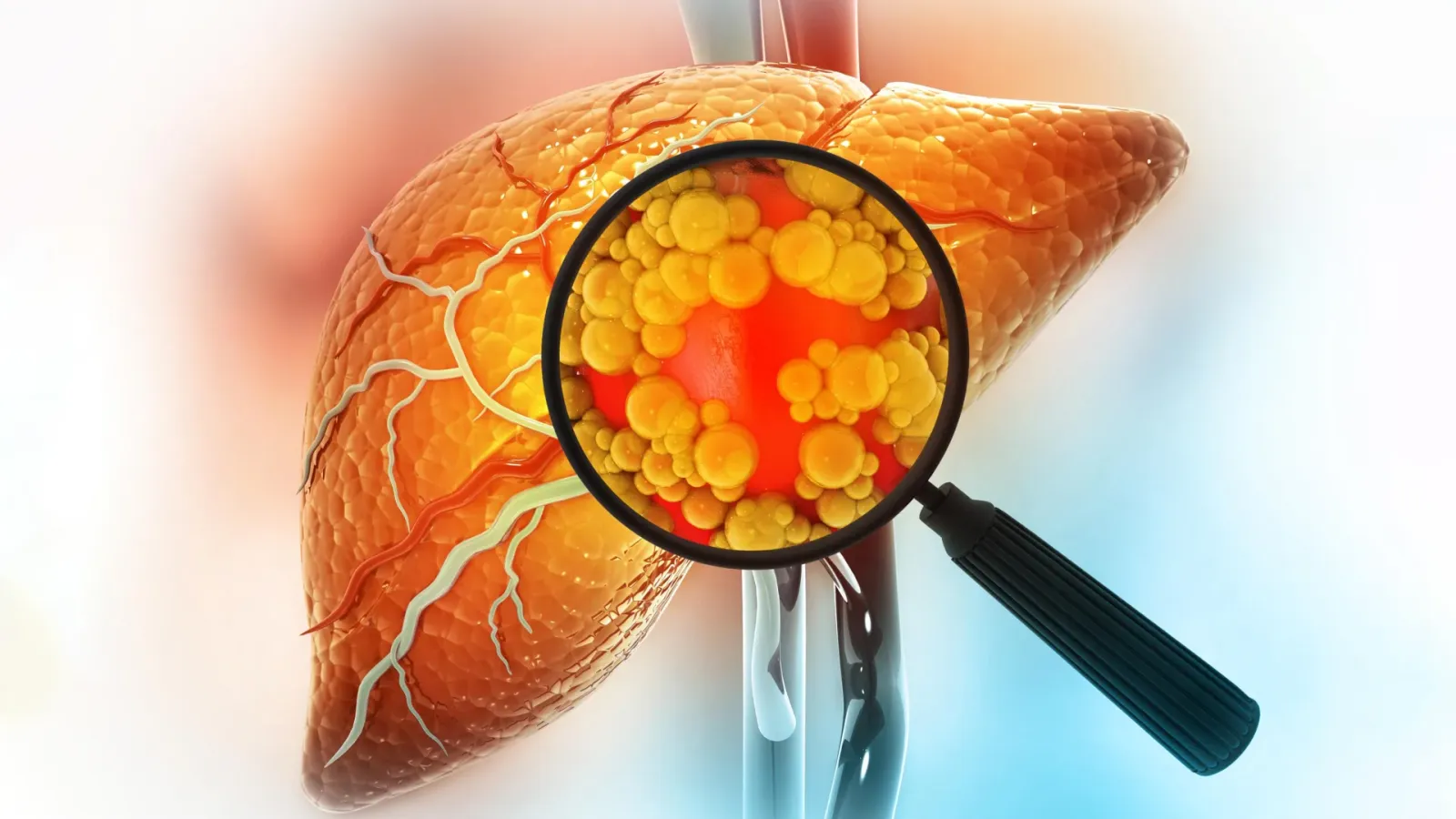
An experimental drug called DT-109 reversed severe fatty liver disease in animal studies by repairing the gut and preventing harmful toxins from damaging the liver. For decision-makers, it signals a potential new treatment class for MASH and other gut-linked diseases.
DT-109, an experimental drug, reversed severe fatty liver disease in animal studies, not by targeting the liver directly, but by repairing the gut and preventing harmful toxins from damaging the liver. That gut-to-liver fix is the headline worth underlining, because it challenges the default playbook most development teams use when they see “fatty liver” on a label: focus on liver cells, liver metabolism, and pathways inside the organ. Here, the intervention appears to start earlier in the chain of events, at the source of the “toxic” pressure the gut can create.
For boards and pipeline owners, the implication is simple and consequential: this kind of mechanism can open the door to a new class of treatments for MASH. The source specifically frames the discovery as potentially expanding beyond MASH to other diseases tied to gut health. In other words, if the gut is upstream of liver injury, then the same gut-centered mechanism might be reused, with different targets and trial designs, across multiple programs that share a similar gut-related vulnerability.
Let’s translate that into how this might matter inside a pharma or biotech budget meeting. Developing drugs for metabolic liver disease is expensive, slow, and high-stakes. A mechanism that suggests a cleaner causal pathway is the kind of story investors and regulators like, because it reduces the feeling of “we’re guessing which part of the system to interrupt.” DT-109’s reported approach also reframes competitive positioning. Instead of trying to outmaneuver other therapies on liver-specific endpoints alone, teams could differentiate on gut repair, gut barrier integrity, or toxin prevention as the primary driver of clinical benefit. Even if the downstream measurements remain liver-focused, the origin story helps you design the rationale.
Of course, “reversed in animals” is not “approved in humans.” But the source is still pointing to something worth tracking for a long time: a biologically coherent mechanism. The drug’s effect in animal studies suggests that harmful toxins reaching the liver can be a lever, and that repairing the gut can interrupt the damage. This matters in MASH because the disease is often described as severe fatty liver disease, and severity changes the risk profile. If you can reduce liver injury by stopping the upstream toxin damage, you may get a more durable effect than therapies that only manage downstream consequences.
Regulators generally care about whether a treatment can reliably produce benefit, and mechanism can influence how confidently teams interpret results. A gut-first mechanism also raises the kinds of biomarkers and patient subgroups that sponsors may consider, since gut health can vary widely across individuals. While the source does not provide trial details beyond the animal finding, it does clearly state the core mechanism: DT-109 repaired the gut and prevented harmful toxins from damaging the liver. That specificity is valuable for decision-makers who must weigh scientific plausibility against execution risk. It gives you something more concrete than broad claims about “improving metabolism.”
Now zoom out to second-order implications that can shape corporate strategy. If DT-109 truly represents a new class built around gut repair, then the competitive landscape may expand beyond traditional hepatology-focused players. Companies with gut microbiome expertise, GI clinical development teams, or platform technologies tied to barrier function could become more central. Boards might also rethink how they score pipeline assets, because platform synergies can multiply when a mechanism travels across indications. The source even hints at “potentially other diseases tied to gut health,” which is the kind of sentence that can turn a single program into a broader portfolio thesis.
Finally, here’s the stake for peers in similar roles. MASH programs are competing for attention, capital, and eventual regulatory acceptance, and a mechanism like this can shift the narrative from incremental liver tweaks to systemic upstream repair. Even if DT-109 never becomes a product, discoveries like this can still influence what companies prioritize next: the target biology, the endpoints they emphasize, and the partnerships they pursue. For executives, the opportunity is not just learning about one experimental drug. It is identifying whether gut repair can become an engine that drives multiple clinical bets in a world where better mechanistic clarity is often the difference between a pipeline that compounds and one that stalls.
This story's Key Insights and Take-aways are locked.
Create a free account to unlock Executive Actions for one credit.
Register to UnlockAlways free for Executives Club members. Join the Club
More in Science

Lund University finds heavy traffic can turn flower verges into bumblebee death traps
Roadside blooms may lure bumblebees, but traffic intensity can flip verges from buffet to danger zone.
A bacteria-reading robot uses touch, skipping staining and chemical labels for faster Gram calls
Phys.org reports a new tactile approach to bacterial classification that could speed diagnostics in clinical and food safety labs.

NASA’s moonbase plans hinge on where, not whether, south pole siting under scrutiny
Episode 218 asks if NASA’s first permanent base preparations should start at the moon’s toughest locations.