

Dubai hits record greenfield FDI: 1,253 projects and $8.83bn in 2025
A 5th straight year on top, plus record capital and jobs, signals how Dubai is building momentum for D33.
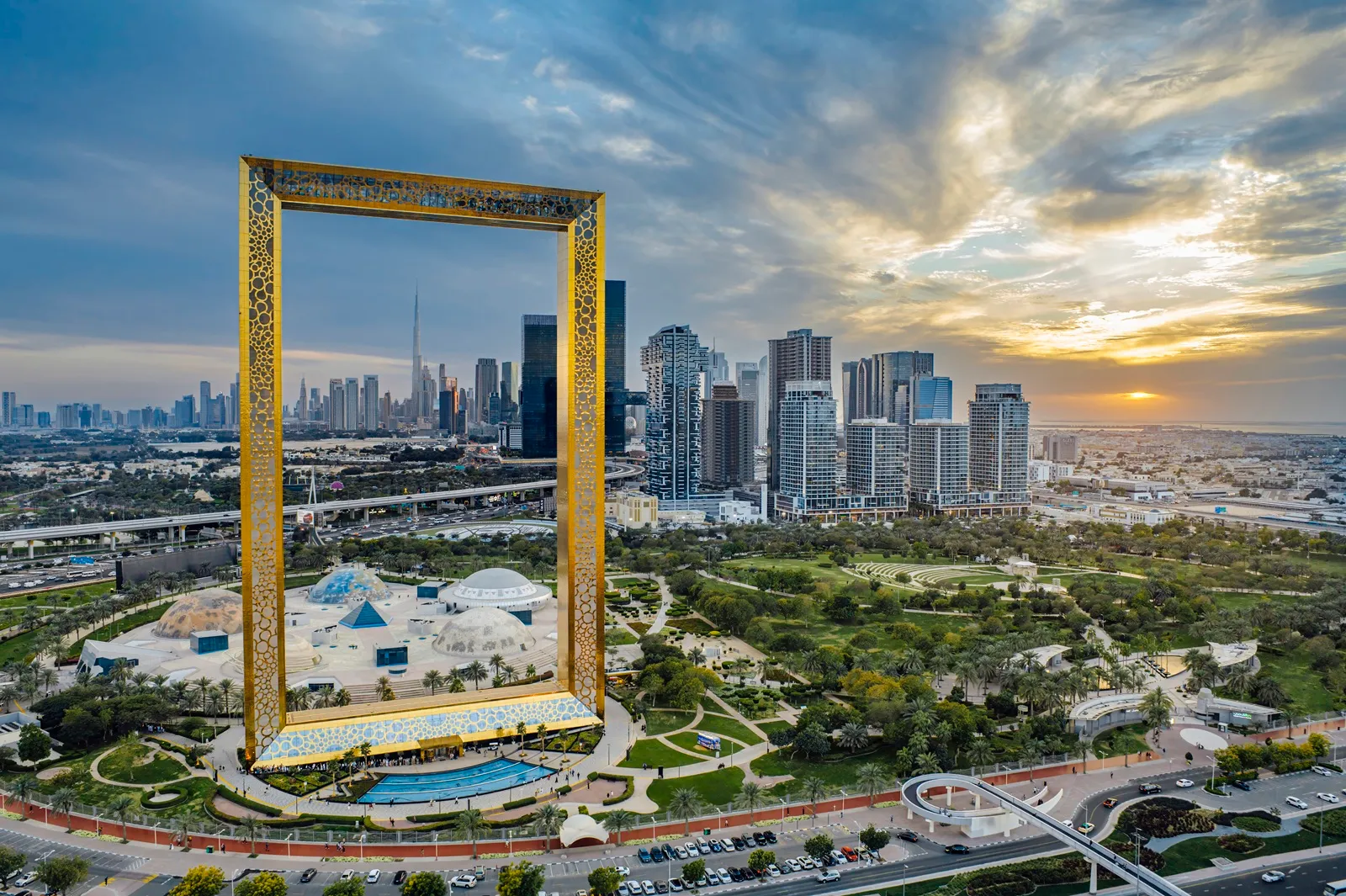
Dubai, led by Crown Prince of Dubai Sheikh Hamdan bin Mohammed bin Rashid Al Maktoum, retained its #1 spot for greenfield FDI projects for a fifth consecutive year in 2025, attracting 1,253 projects and AED32.43bn ($8.83bn). For decision-makers, the numbers quantify where capital is flowing, and why Dubai’s regulatory and investment strategy is scaling into 2026.
Dubai’s inbound deal engine did not just stay alive in 2025. It hit a new high-water mark. Per the Financial Times Ltd’s fDi Markets database, Dubai attracted 1,253 announced greenfield FDI projects in 2025, up 10.5% from 2024, and secured a record 7% share of global greenfield FDI projects, the highest in its history.
That is the fifth consecutive year Dubai has ranked as the world’s top destination for greenfield foreign direct investment (FDI) projects, and the trailing indicators are equally loud. Dubai also brought in AED32.43bn ($8.83bn) in greenfield FDI capital during 2025, and the activity supported 38,918 jobs. That jobs number is an 18.8% increase from the 32,754 jobs recorded in 2024.
So what’s really going on here, beyond the trophy case? Dubai is tying the results directly to its economic blueprint, Dubai Economic Agenda, D33, which aims to double the size of Dubai’s economy by 2033. In other words, this is not just “we attracted investment,” it is “we are building a pipeline strong enough to support a long, ambitious growth plan.” Sheikh Hamdan bin Mohammed bin Rashid Al Maktoum, Crown Prince of Dubai, Deputy Prime Minister, Minister of Defence, and Chairman of The Executive Council of Dubai, framed the strategy as a long-term play built on openness, connectivity, strategic partnerships, and creating the conditions for businesses to succeed.
He also argued that investors are responding to more than volume. Dubai’s competitiveness, in his telling, depends on anticipating change, adapting quickly, and turning global shifts into growth pathways. That matters because greenfield FDI, by definition, is the “build it here” category. Companies committing to new projects typically signal they expect the investment environment to work, not just that the headline year looks good.
Beyond the headline totals, the fDi Markets data shows how Dubai is diversifying the kinds of bets it is winning. Dubai maintained global leadership in headquarters greenfield FDI projects for the fourth consecutive year. It also retained its global leadership in artificial intelligence-related greenfield FDI projects for the fourth consecutive year. Those two lanes are especially important for boards and executives because they often correlate with follow-on activity: headquarters and AI-related projects can bring additional suppliers, hiring, and ecosystem growth that deepen economic moats over time.
Meanwhile, Dubai added “first-time” momentum in manufacturing FDI projects, ranking No. 1 globally for the very first time. That is a concrete signal that the emirate’s diversification push is not confined to services and demand-heavy sectors. It also ranked top globally in transportation and warehousing projects, reinforcing its role as a logistics and trade gateway.
At the sector level, the report notes Dubai was the only destination city worldwide to attract more than 10 greenfield FDI projects across several of these sectors. Put differently: it is not one lucky vertical. It is breadth, which can matter when global conditions wobble. And when you combine breadth with a record capital inflow number of AED32.43bn ($8.83bn) and higher job creation, you get a fuller picture of how investment is translating into on-the-ground capacity.
Officials also tied the result to external conditions. Helal Saeed Almarri, Director General of the Department of Economy and Tourism (DET), said Dubai’s sustained leadership was a testament to the visionary leadership of His Highness Sheikh Mohammed bin Rashid Al Maktoum, Vice President and Prime Minister of UAE and Ruler of Dubai, and to the continued confidence investors place in the emirate. Almarri specifically pointed out that while global markets navigated significant challenges in recent months, Dubai entered the period with quantifiable momentum, attracting record levels of capital that provided a foundation for sustained growth.
If you are an operator or investor, the practical question is how Dubai is trying to keep that momentum going. The report points to an AED2.5bn ($680.6m) economic incentive package announced recently, including fee deferrals, customs grace periods, and streamlined residency permit processes. Those are not abstract promises; they hit the operational frictions companies face when scaling projects, hiring talent, importing inputs, and managing the compliance timeline.
And the macro backdrop matters because FDI flows do not happen in a vacuum. The emirate’s annual GDP reached AED937bn ($255.1bn) in 2025, reflecting 5.4% growth, with growth accelerating in the fourth quarter to 6.4% despite continued volatility in global markets.
Hadi Badri, CEO of the city Economic Development Corporation (DEDC), the economic development arm of DET, put another useful lens on it: the inflows reflect investors deepening their operational presence rather than adopting short-term positioning strategies. He also described the diversity of investments spanning headquarters and high-value manufacturing to AI, FinTech, logistics, and creative industries.
One more detail worth underlining for decision-makers: the geographic mix. Dubai FDI Monitor data showed continued investment confidence from North America, Europe, Asia, and the GCC. The officials said the geographic diversity reinforces Dubai’s role as a strategic bridge between East and West, supported by connectivity, trade facilitation reforms, and a continuously modernised regulatory environment.
So the strategic stake for peers is simple. Dubai is converting “global hub” branding into measurable inflows: 1,253 greenfield projects, a record 7% global share, AED32.43bn in capital, and 38,918 jobs in 2025. If you run a competitor city, a multinational expansion team, or an investment committee, you should treat these figures as a real-world benchmark for what investors are rewarding right now: speed, breadth, and a policy stack that reduces friction from factory floor to HQ conference room.
This story's Key Insights and Take-aways are locked.
Create a free account to unlock Executive Actions for one credit.
Register to UnlockAlways free for Executives Club members. Join the Club
More in Business

A flaw in PHP just forced governments to pull their own sites offline
European agencies from Belgium to Germany took websites dark to patch a critical weakness in the language behind almost 70% of the web, and the blast radius extends far beyond government portals.

BioWare shuts down, Mass Effect 5 dead after $55B EA buyout
The legendary RPG studio's closure lands months after a $55 billion investment group buyout of EA, raising tough questions for gaming's biggest acquirers.
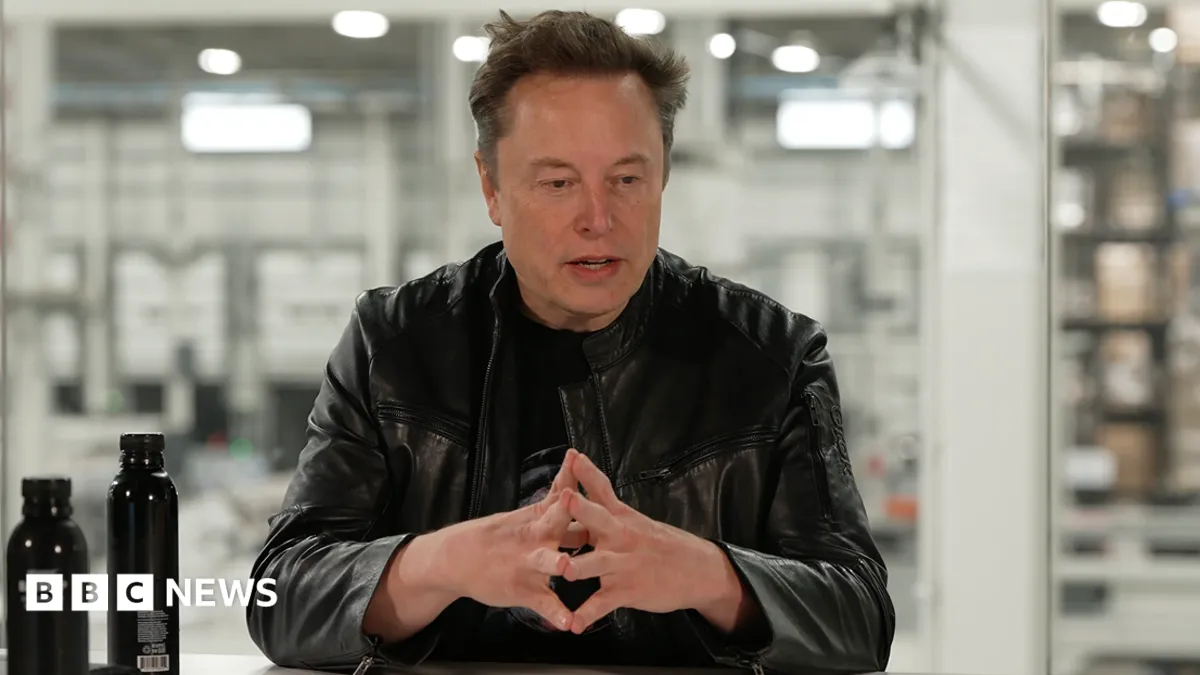
Musk weighs Tesla-SpaceX mega-merger as boards form review panels
Special committees at both companies will examine a tie-up that could fuse electric vehicles and space launch, forcing a fresh look at governance and valuation.