

Dubai targets AED18.3bn ($5bn) sports GDP by 2033, nearly 80% jump
The Dubai Sports Sector Strategic Plan 2033 turns events, esports, and tourism into a measurable economic pillar.
Dubai is pursuing the Dubai Sports Sector Strategic Plan 2033 with a target of AED18.3bn ($5bn) in annual GDP contribution from sport by 2033, up from AED10.17bn ($2.8bn). For decision-makers, it is a blueprint for using broadcasting rights, sponsorship, and sports tourism to drive diversification and investment momentum.
Dubai is aiming to almost double sport's contribution to its economy, targeting AED18.3bn (about $5bn) in annual GDP contribution by 2033. That would lift the sports sector from AED10.17bn ($2.8bn) today, a rise of approximately 80 per cent, according to the Dubai Sports Sector Strategic Plan 2033.
The plan is not framed as a feel-good cultural initiative. Dubai positions sport as a key pillar of economic diversification, designed to support tourism, investment, technology, media, and sustainable development. In other words: events are the headline, but the operating model is the economics, and Dubai wants sport to behave like an industry with predictable returns.
To understand why this matters, it helps to see how Dubai already sells the sports story. The emirate says it has strengthened its role as a global sports economy capital by transforming sport into a major economic sector that contributes to gross domestic product and enhances Dubai’s attractiveness for business and investment. That logic is tightly connected to where the money flows in sports: visitors spend in hospitality and retail, media coverage reaches audiences at scale, and brands pay for sponsorship exposure. Dubai also expects those dynamics to ripple across “hospitality, tourism, aviation, retail and services,” as major sporting events generate economic activity beyond stadium gates.
Dubai is betting that scale creates momentum, and it is pointing to its current cadence. The emirate says it hosts more than 400 local and international sporting events annually across multiple disciplines. It also welcomes around 100 training camps each year for leading international clubs and national teams. Those two inputs matter because they feed different parts of the economic engine. Events drive peaks in tourism and media attention. Training camps spread activity more consistently and can be attractive to teams that want reliable facilities and operational support.
The strategy also spells out where growth is expected to come from, which is important if you are on a board or running a finance function. Dubai expects support from sports tourism, broadcasting rights, commercial sponsorship, sports content creation, and the digital economy linked to sport. That is a wide net, but it is also a classic diversification approach: not every revenue stream is dependent on one type of event or one customer segment. Instead, broadcasting rights and content creation tie into media and technology outcomes, while sponsorship and digital engagement connect to brand marketing and audience growth.
Dubai links the plan to a broader economic roadmap as well, saying it aligns with the Dubai Economic Agenda D33. Under D33, sport has emerged as one of the sectors expected to contribute to the emirate’s new economy. This is the part investors and operators will care about most: it frames sport as not just “nice to have,” but a sector with institutional backing and integration into larger diversification priorities. For peer cities and regional partners, it is a signal that sport is being treated like infrastructure for the modern economy, not just entertainment.
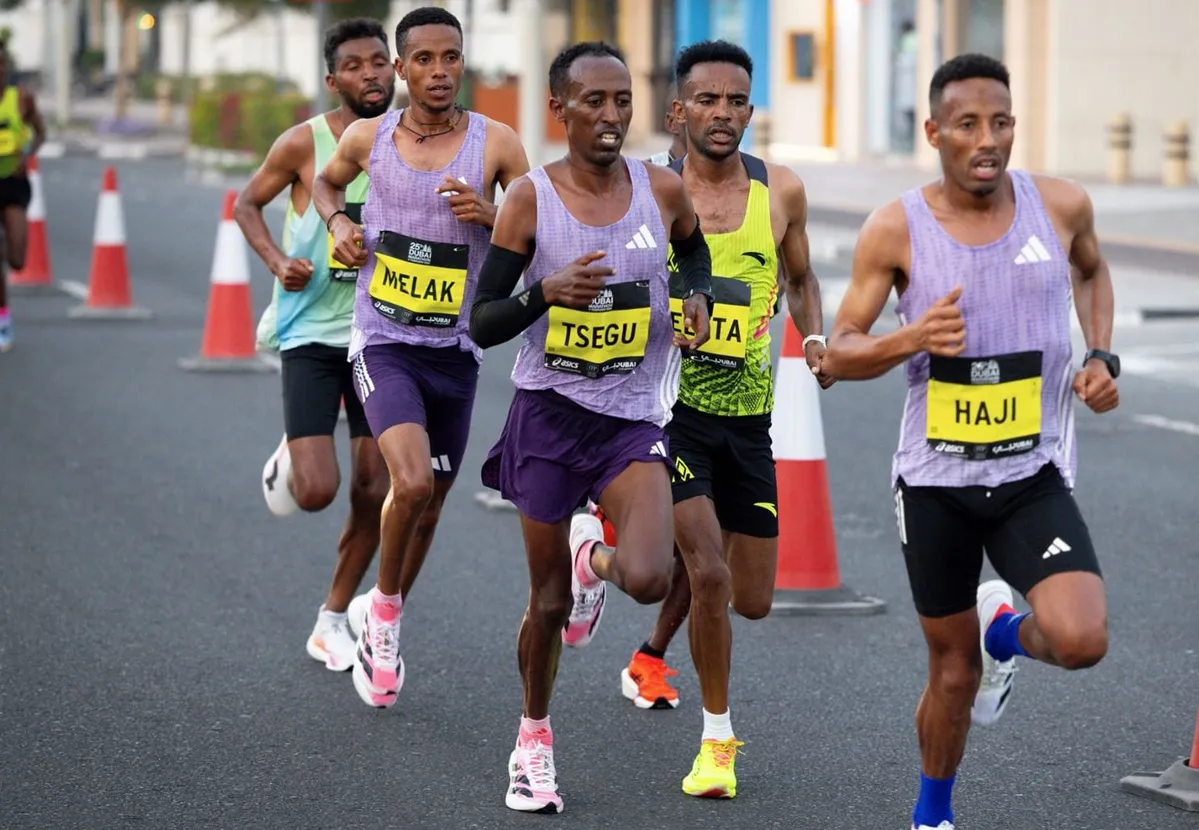
Flagship events illustrate the model Dubai is scaling. The Dubai Duty Free Tennis Championships, for example, is described as consistently attracting many of the world’s leading tennis players. Salah Tahlak, Tournament Director of the Duty Free Tennis Championships, said: “The tournament’s continued success reflects Dubai’s leading position in hosting major sporting events, noting that international tournaments have become an influential platform for supporting the economy, tourism and the global promotion of the emirate, while enhancing its attractiveness for investment and sports partnerships.” The Dubai Marathon is another anchor, said to rank among the world’s leading marathon events and to attract thousands of runners from multiple nationalities each year. Ahmed Al Kamali, General Coordinator of the Dubai Marathon, said: “Sport represents an important economic driver for the emirate, given the tourism, investment and media returns generated by global sporting events, adding that the Dubai Marathon represents a successful model of the growing economic role of major sporting events.”
Beyond traditional sports, Dubai is also expanding its sporting calendar to broaden audiences and increase economic returns. The emirate says it launched the Dubai Basketball project, with the team’s participation in the European ABA League as a step toward strengthening Dubai’s position as a regional and global sports investment hub. It also highlights esports, calling it one of the fastest-growing sectors of the global sports industry and naming events such as the Esports and Games Festival. Ahmed Al Khaja, CEO of Dubai Festivals and Retail Establishment, said events demonstrate the sector’s growing contribution to the creative economy by attracting participants and visitors across different age groups. Football is treated as another strategic lever, with Dubai serving as a preferred winter training destination for leading clubs and national teams thanks to sports infrastructure and hospitality offering. And Dubai is investing in industry convening through the Dubai International Sports Conference, which brings together decision-makers, industry experts, and sports stars to discuss the future of sports investment, innovation, technology, and artificial intelligence in sport.
Finally, the plan points to the global distribution layer. Dubai says major sporting events strengthen its global profile through international media coverage across television and digital platforms, reaching hundreds of millions of viewers worldwide. If you are a founder building in sports tech, a corporate leader weighing sponsorship, or an investor tracking emerging market destinations, the real takeaway is the structure: Dubai is aiming for a quantified economic outcome by building a full stack around events, training, media rights, sponsorship, and digital engagement. The target is explicit. The timeframe is 2033. And the message to similar cities is clear: sport is becoming an economic strategy with dashboards, not vibes.
This story's Key Insights and Take-aways are locked.
Create a free account to unlock Executive Actions for one credit.
Register to UnlockAlways free for Executives Club members. Join the Club
More in Business

Bungie cuts most Destiny 2 staff as Sony says Marathon still matters
Herman Hulst confirms layoffs affecting most Destiny and some Marathon teams after Bungie admits Destiny fell short.

SK Hynix jumps 11% after seeking up to $29.4B in Nasdaq listing
The chip giant filed for a Nasdaq listing plan that could raise $29.4 billion, instantly reshaping investor expectations.
Micron revenue hits nearly $42B as AI memory lifts gross margins above 81%
Fiscal Q3 results crush estimates, prove AI memory is rewriting Micron's margins, and change the momentum math for the whole chip stack.