

Dungeon Crawler Carl lands on Peacock with nearly the whole saga already finished
Because Peacock is adapting a completed book run, the series can keep moving while competitors get stuck mid-story.
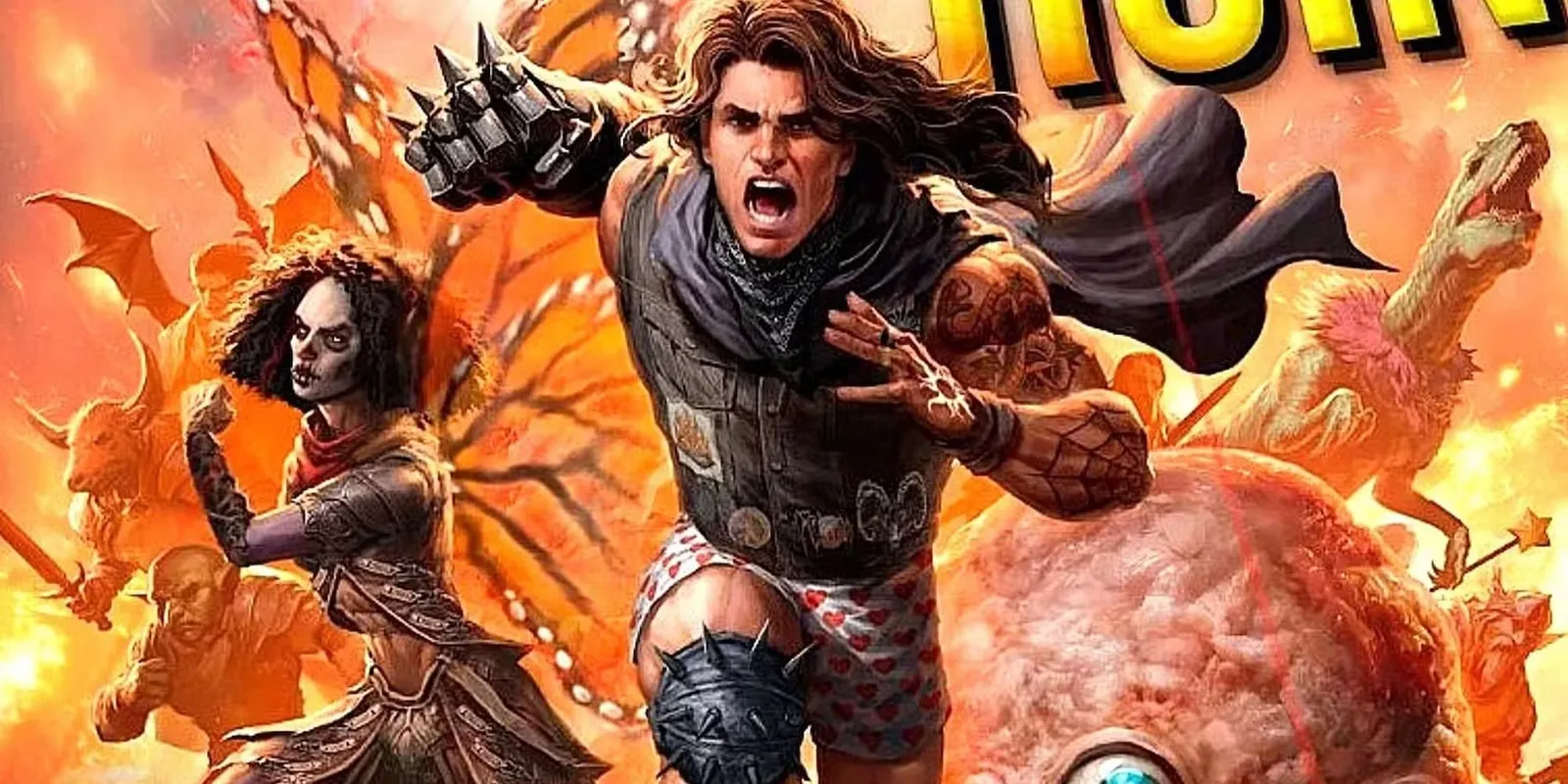
Peacock and Seth MacFarlane are developing a live-action TV adaptation of Matt Dinniman's Dungeon Crawler Carl. The key advantage: the book saga is already nearly complete, with eight novels done and a broader franchise already underway.
Peacock and Seth MacFarlane are teaming up for a live-action Dungeon Crawler Carl series, and the biggest reason fans can breathe easier is also the simplest. The TV adaptation is launching when “nearly the entire book saga” is already complete.
That matters because most book-to-TV dreams run into a very real logistics problem: the show is forced to keep up with a story that might still be changing on the page. Here, Dungeon Crawler Carl has a different starting line. It is based on a novel series that has already become a legitimate phenomenon, selling millions of copies across eight books. And beyond the novels themselves, it has already branched out into comic books and tabletop gaming. In other words, Peacock is not adapting a vague concept with a moving target. It is adapting a finished (or close to finished) universe.
To understand why this is a big advantage, zoom out to how entertainment often behaves when it converts books into TV. Studios can absolutely succeed even with an ongoing series, but it creates a structural tension. The adaptation needs momentum and consistency, while the source material might still be ramping new arcs, changing character trajectories, or simply not yet providing the “next season” equivalents that the writers room needs. When the source is still in flux, the adaptation can end up doing one of two things: stretching material to fill seasons, or diverting in ways that frustrate readers.
Dungeon Crawler Carl, at least on this one dimension, looks built for the opposite. Nearly the entire saga is already in hand, so the adaptation can map episodes to established plot beats rather than constantly renegotiating what the story is supposed to become. That gives the show a rare kind of operational certainty for a genre that thrives on escalation. Dungeon crawlers are all about compounding stakes, and audiences expect the payoff to land episode after episode, run after run. When the underlying narrative is mostly done, there is less risk that the series has to improvise its way out of a cliffhanger before the book version has arrived.
The business angle is equally clear. Dungeon Crawler Carl has already “quickly branched into the worlds of comic books and tabletop gaming,” which signals something boards and production leads love: multi-format demand. A franchise that has already proven itself across multiple channels often gives a streamer more than just a library to adapt. It also brings an existing fan base with familiarity, community, and expectations. That is especially relevant when you consider that Peacock, as a platform, competes not only on premiere dates but on the ability to retain viewers after the initial buzz.
For Seth MacFarlane, there is also a production credibility angle, even if the source story does not go into creative specifics. MacFarlane is attached to a live-action adaptation, and the presence of an already-complete (or nearly complete) saga reduces one of the hardest planning headaches for complex adaptations: aligning production schedules with story continuity. Live-action is expensive, and delays are brutal. When you have eight books and a franchise ecosystem already built, you have more “source-to-screen” options and less scrambling to invent bridges.
Now layer in regulatory and industry framing, not because Peacock is facing a specific new rule in this story, but because decisions like these always sit inside a larger compliance reality. In the United States, streaming and TV production are shaped by content standards, labor rules, and advertising or platform guidelines. Those are not details that appear in the article, but the second-order implication is real: planning stability makes it easier to build a production pipeline that can navigate approvals, contracts, and scheduling. When the story is still evolving, approvals and rights management can become more complicated, because changes in future source material can require additional coordination.
So the strategic stakes here are not just “fans will like it.” The stakes are about execution. If Peacock can treat Dungeon Crawler Carl as a nearly finished blueprint, it can reduce the usual churn that hits adaptations midstream. That can influence everything from season pacing to how confidently the series can commit to longer-form character development. In a market where audiences are quick to punish inconsistency, a show that does not need to constantly invent a way forward can keep its momentum sharper.
For executives and boards watching the book-to-screen conveyor belt, this is the lesson: completion status is not a trivia point. It is a risk factor. Dungeon Crawler Carl’s advantage is that it is arriving at a moment when the narrative is largely ready, and the franchise engine is already running across comics and tabletop. If you want to adapt something massive, the best gift you can get is a story that is already nearly all there, waiting to be translated to the screen.
This story's Key Insights and Take-aways are locked.
Create a free account to unlock Executive Actions for one credit.
Register to UnlockAlways free for Executives Club members. Join the Club
More in Entertainment

Russell Brand's accuser 'bewildered and confused' as he denies 7 sex charges
The criminal case against the comedian is a live test of how media companies manage talent risk when serious allegations go public.

'It's a Magic Trick': Ballet Experts Say Rosalía's SNL Pose Is Impossible
Three ballet experts tell Rolling Stone Rosalía's gravity-defying SNL stillness shouldn't be possible - and why the debate is now part of the show.

Activision CMO: GTA 6 Will Boost Call of Duty, Not Bury It
Activision's top marketer says Rockstar's blockbuster will drive players back to consoles and into Modern Warfare 4, even as the company admits its recent strategy failed.