
Dwayne Johnson says he worked 3 years on Broadway debut with Kevin Hart
The former wrestling megastar is back at the drawing board for the stage, and the movie-star crossover is getting real.

Dwayne Johnson said he has been working on his Broadway debut for nearly three years with Kevin Hart. The move matters because it tests whether celebrity-led brands can reliably translate into high-cost, reputation-sensitive live theater.
Dwayne Johnson says he has been working on his Broadway debut for nearly three years, and he links the project directly to Kevin Hart. In Deadline’s coverage, Johnson also frames the effort as something he and Hart were “going to do” as a long-running dream, not a quick celebrity detour.
That timeline is the key: nearly three years is not “try something for fun.” It is the kind of duration that usually means serious planning, stakeholder alignment, and a lot of behind-the-scenes decisions that are invisible to fans. Broadway is a different animal than film or even stadium live shows. The economics, the schedule pressure, the reputational risk, and the sheer operational complexity all scale fast once you commit to a stage run.
Johnson is already a proven live performer in the sense that he is comfortable under spotlight pressure, showing up in front of thousands with the confidence of someone who can move a room. But Broadway adds constraints that screen acting often bypasses. There are technical realities like nightly performance consistency, cast availability, rehearsal cadence, and the fact that the show is the product every single night, not just at opening.
The story also lands because Johnson is not approaching Broadway as a solo vanity play. He is leaning on a longtime friend and collaborator, Kevin Hart, and the project is tied to “The Odd Couple,” a title that brings built-in expectations. When you bring recognizable intellectual property or a proven format into a new medium, you inherit both the upside (audience curiosity) and the downside (harder comparisons). Broadway audiences tend to reward craftsmanship and discipline, even when they are cheering for star power.
From an incentives standpoint, celebrity crossover can look straightforward on paper, but the mechanics are what determine whether it becomes a durable brand extension or a one-off headline. A star can drive attention, but productions still need the right financing structure, the right creative leadership, and the right operational partner network to survive the realities of theater. A nearly three-year runway suggests Johnson and Hart likely treated it like an actual project with gates, not a spontaneous pitch.
There is also a regulatory and compliance layer, even if it is less visible than in, say, financial services or healthcare. Live theater involves labor considerations, union rules, performance standards, health and safety, and venue requirements, all of which can slow decisions and shape casting and rehearsal plans. When a high-profile brand jumps into that world, it has to respect the existing system rather than bulldoze it. Longer lead time often reflects exactly that kind of alignment work.
The “Odd Couple” angle matters because it is an established cultural reference point. For decision-makers, the implication is that the star route does not remove the burden of storytelling quality. It amplifies it. If the show lands, you get a powerful proof point that celebrity appeal can coexist with stage craft. If it misses, the failure is public and immediate in a way that is harder to absorb when you are trying to reposition yourself beyond your primary industry.
For other execs watching celebrity-led ventures, this is a reminder that live experiences behave like businesses, not like trailers. Johnson and Hart are essentially stress-testing a market question: can mainstream entertainment brands recruit Broadway’s trust while honoring Broadway’s standards? The consequence for founders, producers, and investors is clear. If the crossover sticks, it can reshape how talent is marketed, how audiences are segmented, and how future partnerships are structured. If it does not, it becomes a cautionary tale that headlines cannot fix once the curtain rises.
This story's Key Insights and Take-aways are locked.
Create a free account to unlock Executive Actions for one credit.
Register to UnlockAlways free for Executives Club members. Join the Club
More in Entertainment
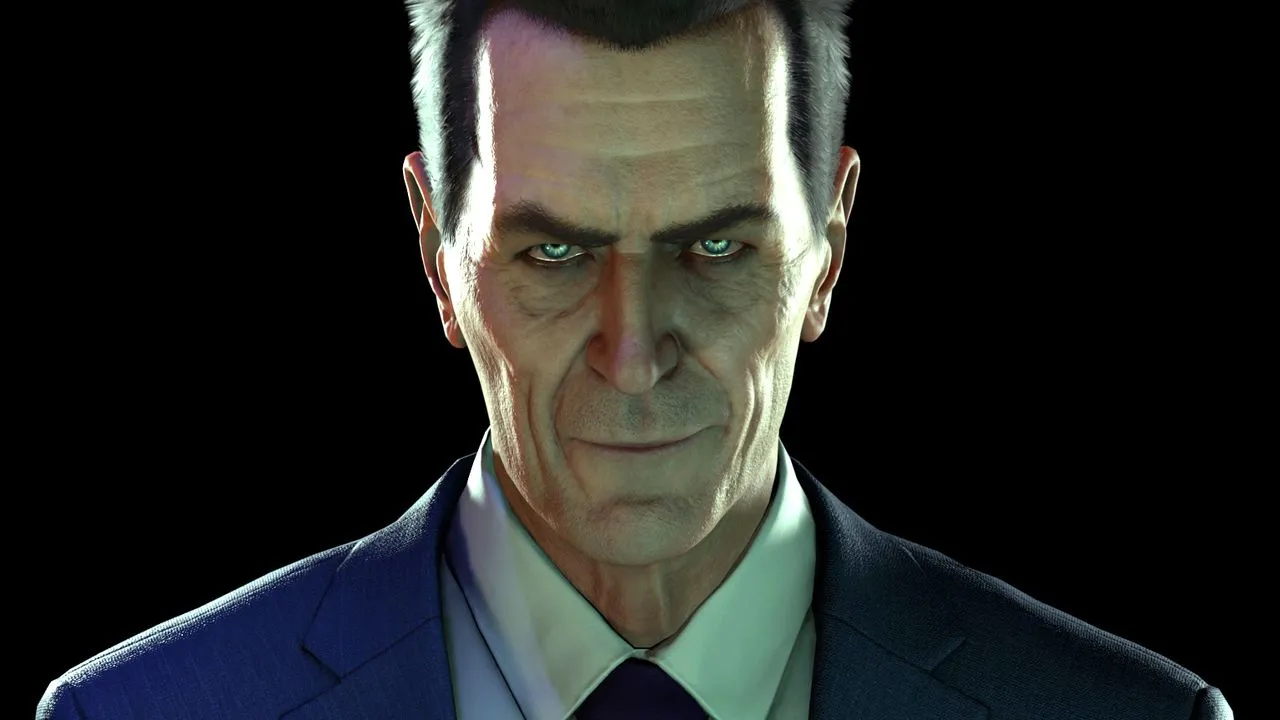
12TB Steam 'teraleak' goes beyond Valve: GTA 3, Mafia 2 prototypes exposed
A 12-terabyte dump of Steam data reveals prototypes and builds of third-party classics like GTA 3 and Mafia 2, plus unreleased Valve content, rewriting game history.

LinkedIn's romance problem: 1 in 4 workers say dating on it is fair game
A new survey shows a quarter of U.S. employees treat the professional network as fair game for romance, even as LinkedIn bans it and removes hundreds of thousands of offending posts.

Enhypen's first No. 1 album breaks K-pop's Billboard 200 streak
The K-pop group's 98,000-unit debut tops the chart while Dolly Parton's catalog reentry shows how death reshapes streaming.