

Egyptian TV host Sarah Khalifa, 39, among 12 sentenced to death in drug case
The Mission Impossible host flips from crime commentator to death-row defendant in a sprawling narcotics trial.

Sarah Khalifa, 39, the Egyptian TV presenter of Mission Impossible, was sentenced to death alongside 11 others for drug manufacturing and trafficking. The verdict raises the stakes for media and business operations in a jurisdiction where narcotics charges can carry the ultimate penalty.
Egyptian television presenter Sarah Khalifa, 39, was sentenced to death by an Egyptian court on Saturday, joining 11 other defendants in what official media described as a sprawling drug case. Khalifa, best known for her program Mission Impossible - a show dealing with issues concerning security and crime - was charged with forming an organized criminal gang to manufacture and traffic narcotics. The sentence, reported by state-aligned outlets, places a well-known media face at the center of a verdict that came with the absolute legal punishment available in Egypt's system.
The ruling transformed a woman who spent her career policing dangerous crime stories into a defendant at the top of a capital sentence. She has not been granted any celebrity exception: the same count of 12 moved all accused to death row. For the outside observer, the trial's details are grim, but the first important fact is that it happened at all: a public figure, a real judicial outcome, and a final consequence that has not yet been reversed by any appeal. That instantly generates a forum for questions around how this case fits into the broader Egyptian judicial approach to drug trafficking.
For context, in Egypt, drug trafficking is one of the categories in which the law can impose the death penalty after a due process process. The verdict does not necessarily mean a quick execution, since capital sentences in Egypt typically go through a referral process that includes a review by the Grand Mufti, a legal step in many cases. But at this stage, the judicial ruling is unequivocal. It sends a signal that the court's consider narcotics activity of the scale described here as a capital-level threat to public order, and that none, regardless of media status, can assume immunity. For any regional executive, the practical lesson is that local courts do carry the constitutional weight to make business leadership personal risk over the line the moment an alleged offense enters the modus operandi of their operation.
The coincidence of Khalifa's show - a program strongly centered on security and crime - is a particular piece of business school, but the high-level story is: a platform brand cant survive the loss of its talent to a criminal verdict. Media operators working with presenters in the Middle East need to revisit how they document the legal compliance of their on-air faces. The risk was always there, but in the case of this drug verdict it is no longer a silent or back-of-the-head risk: it is a public exposure that has made an entire production exhibit impossible to continue. The TV product is gone, her employer's irretrievably linked to a criminal proceeding.
For boards and managers, this is also a moment to recalibrate control expectations. Egypt is not a market of dismissive enforcement: they treat drug trafficking as a weapon, with indiscriminate severity for all tiers of society. The verdict demonstrably shows that the legal system is willing to use lethal penalty for an individual even when she has built a brand on the justice editorial edge. Business decisions now must include an ethics layer that goes beyond the normal compliance: any tie to narcotics, any line of revenue that touches the supply chain, any introduction of money from sources that police attention - this all becomes a capital exposure, not just a ledger risk.Everyone from media heads to investors with stakes in the region should monitor what happens next writ: an unexpected case for foreign observers focused on the resilience of public institutions, exactly in this kind of test, where a celebrity ends up under the same judicial weight as an anonymous defendant.
Looking at the wider context, Egyptian drug courts have historically emphasized mass numbers and maximum sentencing as part of the law enforcement strategy. The recent verdict is a headline inside the nation, but the strategic stake for high-trust markets is bigger: anyone who moves money through a tier where drug activity touches the pipeline should be alerted that legal origin is accepted throughout. This is also a reminder to criminals that the state can prosecute a folksy media personality, or when though it operates in the dark. For legal and compliance officers across the key regional hubs, this is the time to review all the host personalities for use in compliance screening for any drug-related association, formal or alleged.
The sentence is necessarily real, but not necessarily final; an appeal may bring the home and turn the outcome around. However, the lasting story, no matter how it apples, is that in Egypt the boundary between television commentary and criminal conviction is about to be a simple floor. Khalifa built a brand on impossible missions. The first mission now is to defend a sentence that goes beyond anything she suggested on screen. For fellow executives and founders, the term is straightforward: the same total legal architecture that worked here is the one protecting your license - or being used against it, if you ever mistake the legislation for the border.
This story's Key Insights and Take-aways are locked.
Create a free account to unlock Executive Actions for one credit.
Register to UnlockAlways free for Executives Club members. Join the Club
More in Business
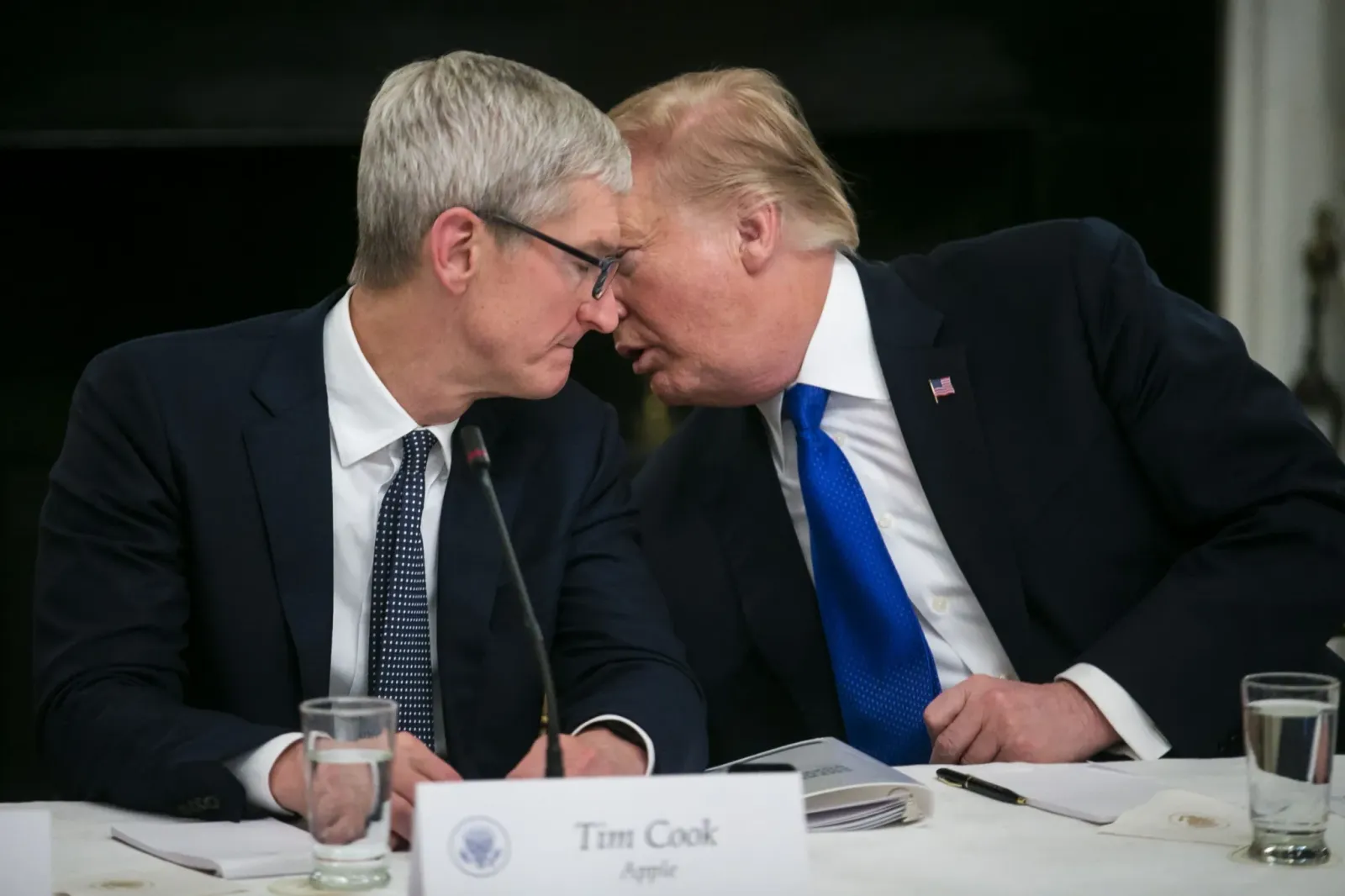
Tim Cook steps down as Apple CEO, stays on as chair with $45M equity
The 'Trump whisperer' keeps his White House and Beijing access as Apple navigates tariffs and a $4.6 trillion market cap.

Snowflake shares surge as AI data demand crushes estimates, lifting full-year forecast
Stocks jumped on stronger-than-expected guidance, signaling enterprise AI workloads are accelerating faster than Wall Street priced in.
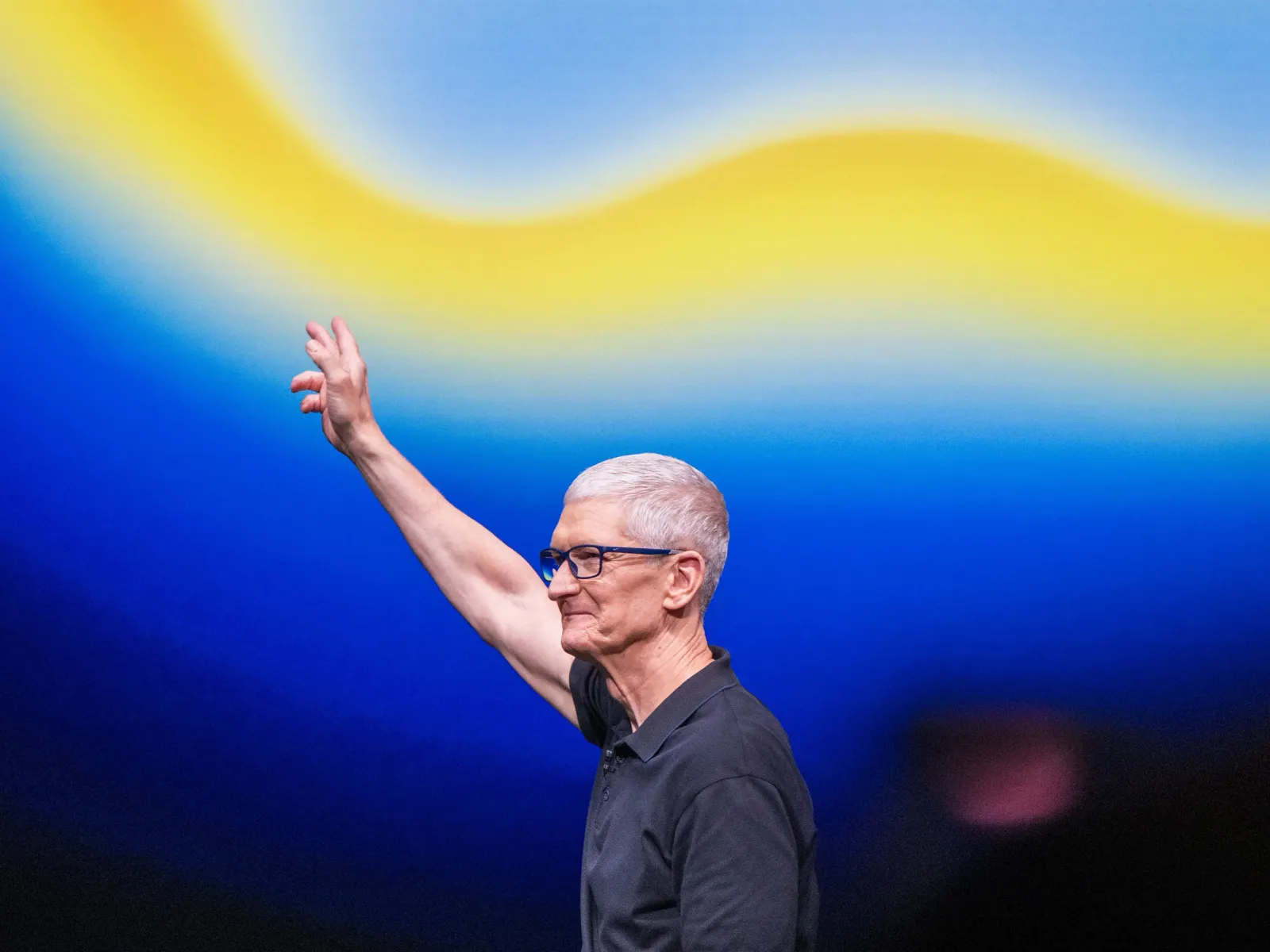
Tim Cook's 15-year Apple CEO run ends: 3 lessons for any successor
After 15 years, Tim Cook hands Apple to John Ternus - here's how he turned a $350B company into a $4.6T juggernaut.