

ElevenLabs lands Hasbro characters for AI use, from Optimus Prime to Mr. Potato Head
The deal puts a famous toy and game catalog into AI audio, signaling how fast legacy IP owners are choosing licensing over fighting the machine.
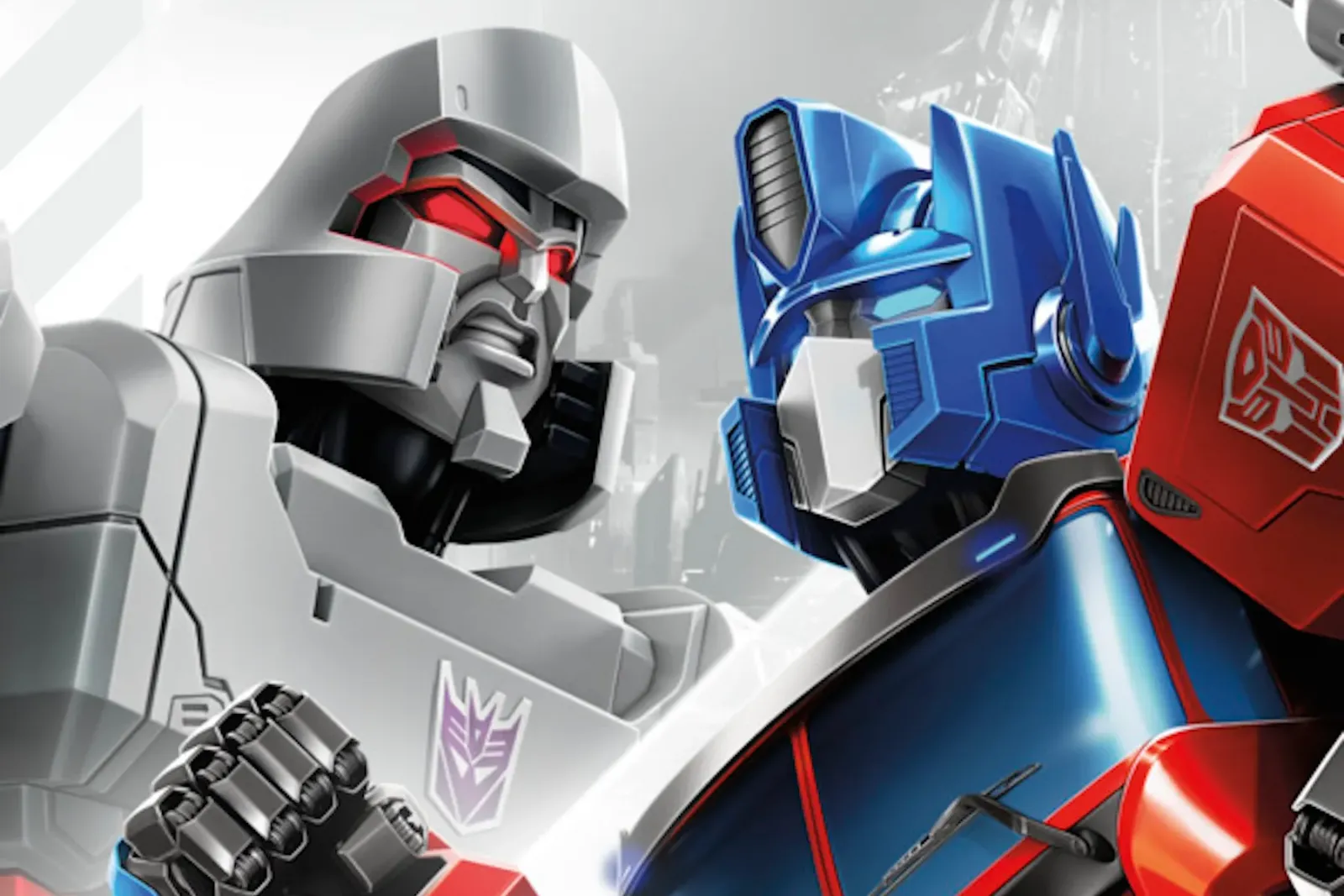
ElevenLabs has partnered with Hasbro’s AI Studios to license characters from Transformers, Monopoly, Clue, Mr. Potato Head and more for AI use through its Iconic Marketplace. For executives, it is another sign that premium intellectual property is becoming a licensing asset inside AI, not just a brand to defend from it.
Mr. Potato Head, Optimus Prime and Mr. Monopoly are now part of the same AI conversation. ElevenLabs, the AI audio startup, has partnered with Hasbro’s AI Studios to bring a collection of Hasbro characters into its Iconic Marketplace for AI use. The deal covers characters from Transformers, the board games Monopoly and Clue, and Mr. Potato Head, giving developers and creators access to some of the toy and game company’s most recognizable intellectual property in a new setting.
That matters because it shows a practical shift in how legacy entertainment brands can approach AI. Instead of treating AI as only a threat to control, Hasbro is choosing a licensing framework for at least part of its character universe. ElevenLabs, meanwhile, is expanding the kind of content its marketplace can offer by adding brands people already know instantly. In plain English: this is not just about making toy characters talk. It is about turning recognizable IP into a structured product inside an AI platform, where use rights, brand safety, and monetization can be packaged together.
The move also fits a broader pattern that business leaders have been watching closely. Companies with valuable characters, voices, and story worlds have been under pressure as generative AI makes it cheaper and easier to create new content in familiar styles. That creates a messy question for rights holders: do you block the technology, ignore it, or license it on your terms? Hasbro’s answer here is to license. For a company with a long shelf life of brands, that can be a way to keep control while still participating in where the market is headed. For AI startups, it is a sign that the most useful partnerships may not be with raw volume of content, but with names that carry instant cultural recognition.
There is also a trust layer baked into this kind of deal. AI companies have spent the last two years facing skepticism from creators, media companies, and regulators over how training data is sourced and how output is used. A licensing partnership does not solve every concern around AI, but it does offer a cleaner commercial model than a free-for-all. It tells enterprise customers, investors, and brand managers that some of the content flowing through the system is permissioned, not just scraped from the internet and sorted out later. That matters in boardrooms because brand risk has become a procurement issue, not just a legal one.
For Hasbro, the upside is obvious: monetizing characters beyond the standard toy, film, or game playbook. For ElevenLabs, the prize is distribution and legitimacy. The company’s Iconic Marketplace becomes more compelling if it can offer names that users immediately recognize and want to build with. And for the market more broadly, the deal hints at how AI commerce may evolve. The most valuable models may not be the ones with the biggest generic datasets, but the ones that can assemble the right licensed assets, the right permissions, and the right user experience around them.
The strategic takeaway for CEOs and boards is that IP strategy is becoming AI strategy. If you own characters, voices, or other culturally durable assets, you now have a new question to answer: should those assets be protected from AI, or packaged for it? Hasbro is showing one answer. It is also a reminder that the companies likely to matter most in this next phase are the ones that can combine recognizable brands, clear rights, and a distribution channel that makes the whole thing usable. That combination is where the money, and the leverage, will cluster.
This story's Key Insights and Take-aways are locked.
Create a free account to unlock Executive Actions for one credit.
Register to UnlockAlways free for Executives Club members. Join the Club
More in Technology

OpenAI says 10,000 agents cracked a 90-year math problem in 88 hours
The company's claim is audacious, but one mathematician is pushing back. Here's what it means for AI-driven discovery.
Meta still serves child sexual abuse ads on Instagram in India - BBC report
A new report following the BBC Eye investigation says the ads are still there - what it signals for every platform with a self-serve ad engine.

White House yanks 'Build the Wall' game after Tetris Company copyright warning
The administration's arcade game vanished in hours - and the takedown playbook every brand can learn from.