
‘Elle’ team defends Legally Blonde prequel as series, not movie, on character depth
Prime Video’s showrunners say the “depth of time” in episodic TV lets them expand people the 2001 film left thin.
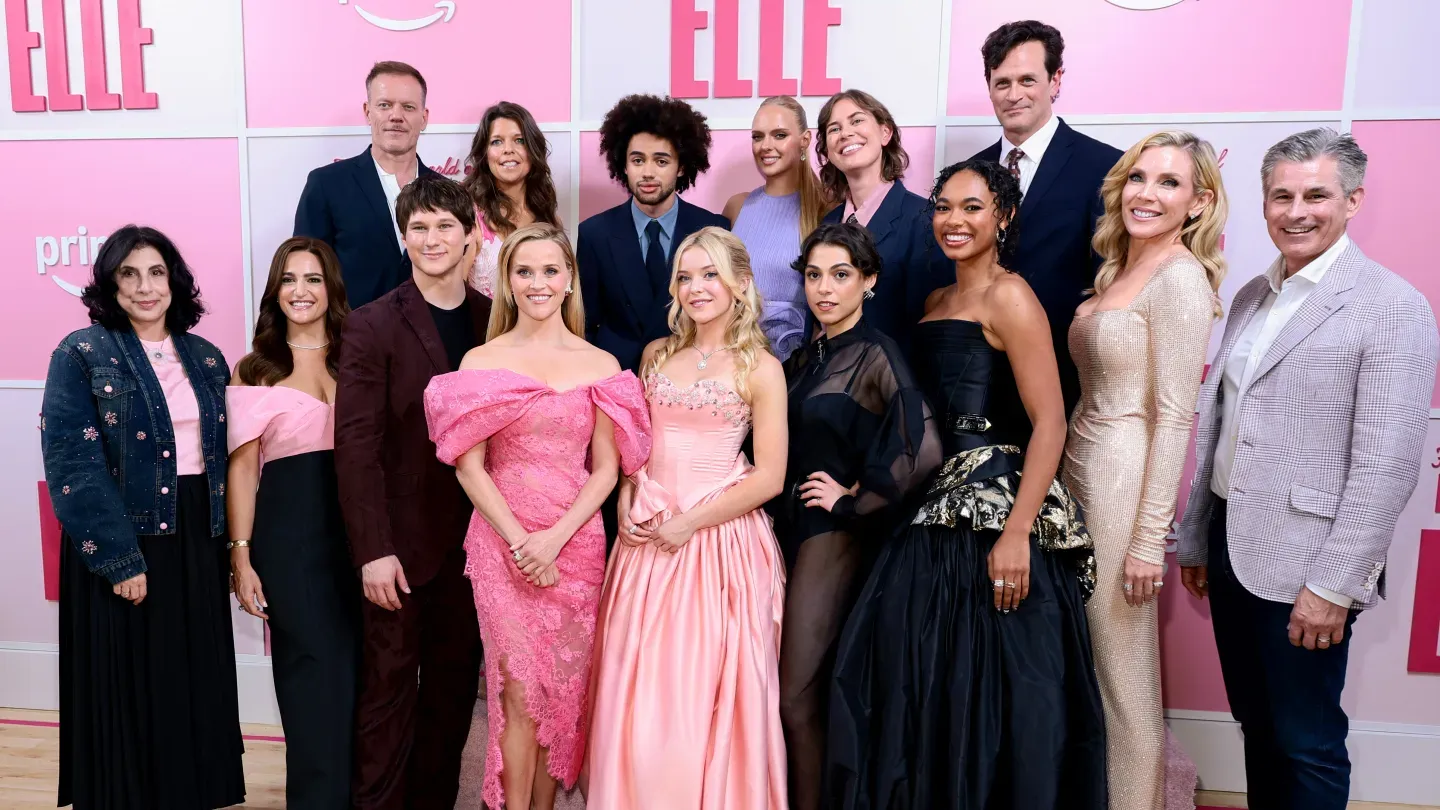
The showrunners and director of Prime Video’s Legally Blonde prequel series, exploring Reese Witherspoon’s character’s high school years, argue it works better as a series than a movie. For decision-makers, the pitch is clear: the format choice is doing creative heavy lifting with real second-order effects for audience retention and brand control.
If you were wondering why Prime Video is turning a beloved Legally Blonde story chunk into a series instead of a one-and-done movie, the answer is blunt: time.
The showrunners and director of the Prime Video show exploring the iconic Reese Witherspoon character’s high school years say the “depth of time” provided by the small-screen format lets them flesh out characters that weren’t fully realized in the 2001 film and its sequel. That is the core thesis, and they are not hiding it.
On paper, this is a straightforward creative argument. But if you are an executive thinking about what a streaming slate actually has to do, it is also an operational one. Episodic storytelling gives you a bigger canvas for character arcs that build slowly, reveal motivations in stages, and make earlier “supporting” roles feel like they matter. Movies compress that process. Even with strong writing, you end up deciding what gets the spotlight, what gets summarized, and what stays off-screen.
That compression problem is especially relevant here because the starting point is not just any IP. It is a 2001 film and its sequel, both tied to a character that audiences already associate with a specific emotional rhythm and set of quirks. When studios return to a familiar universe, there is always a risk of uneven character depth. The “depth of time” claim is basically a preemptive strike against that risk. The show can spend more screen life on people who were never meant to be the full emotional center in the original cinematic release.
The bigger business context is that streaming has turned format into strategy. A series can become a long-tail asset, not just an event. It can support repeat viewing, social conversation across weeks, and a deeper catalog of clips and quotable moments that circulate in a way movies cannot match. That matters to platforms that need churn reduction and to production partners who benefit when a show becomes a durable property rather than a single spike.
There is also an incentive alignment piece. When you are working with established brands, the audience is not starting from zero. They are bringing expectations. A prequel set in the character’s high school years creates an opportunity and a constraint at the same time. The opportunity is that the setting naturally invites exploration: new friends, new pressures, early identity formation. The constraint is that viewers will constantly measure the show against what they already think they know. A series format, according to the “depth of time” logic, gives creators more room to make those connections feel earned instead of retrofitted.
The other second-order implication for decision-makers is resource pacing. Series budgets are spread over episodes, which changes how risk is managed. Creative teams can test character beats across installments, adjust emotional trajectories as audience feedback arrives, and deepen or rebalance relationships without having to solve everything in a two-hour window. A movie has to get it right upfront, and it has to land the transformation quickly enough that the audience does not feel like it is watching summaries.
This is where the show’s defense of the series format becomes more than a production note. It is a statement about what audiences are trained to expect now. Viewers have been conditioned by streaming for long arc payoffs, the slow reveal of backstory, and the satisfaction of watching a character become themselves in public. The “depth of time” framing says the prequel cannot just exist as a plot device. It must become a full emotional education.
So what should executives take from this, especially peers planning their own IP moves? At the strategic level, the choice between series and movie is not just a content decision. It is a control decision. Series format can protect character consistency, support ongoing engagement, and let creators build the missing tissue around legacy storylines. That can be the difference between a prequel that feels like an extended highlight reel and one that feels like a lived-in world that stands on its own.
This story's Key Insights and Take-aways are locked.
Create a free account to unlock Executive Actions for one credit.
Register to UnlockAlways free for Executives Club members. Join the Club
More in Entertainment

12TB Steam 'teraleak' goes beyond Valve: GTA 3, Mafia 2 prototypes exposed
A 12-terabyte dump of Steam data reveals prototypes and builds of third-party classics like GTA 3 and Mafia 2, plus unreleased Valve content, rewriting game history.

LinkedIn's romance problem: 1 in 4 workers say dating on it is fair game
A new survey shows a quarter of U.S. employees treat the professional network as fair game for romance, even as LinkedIn bans it and removes hundreds of thousands of offending posts.

Enhypen's first No. 1 album breaks K-pop's Billboard 200 streak
The K-pop group's 98,000-unit debut tops the chart while Dolly Parton's catalog reentry shows how death reshapes streaming.