

Elon Musk became the world’s first trillionaire after SpaceX IPO lifted him past $1T
SpaceX shares jumped, and Musk’s $800B pre-IPO value crossed a trillion, reshaping how investors price “moonshots.”
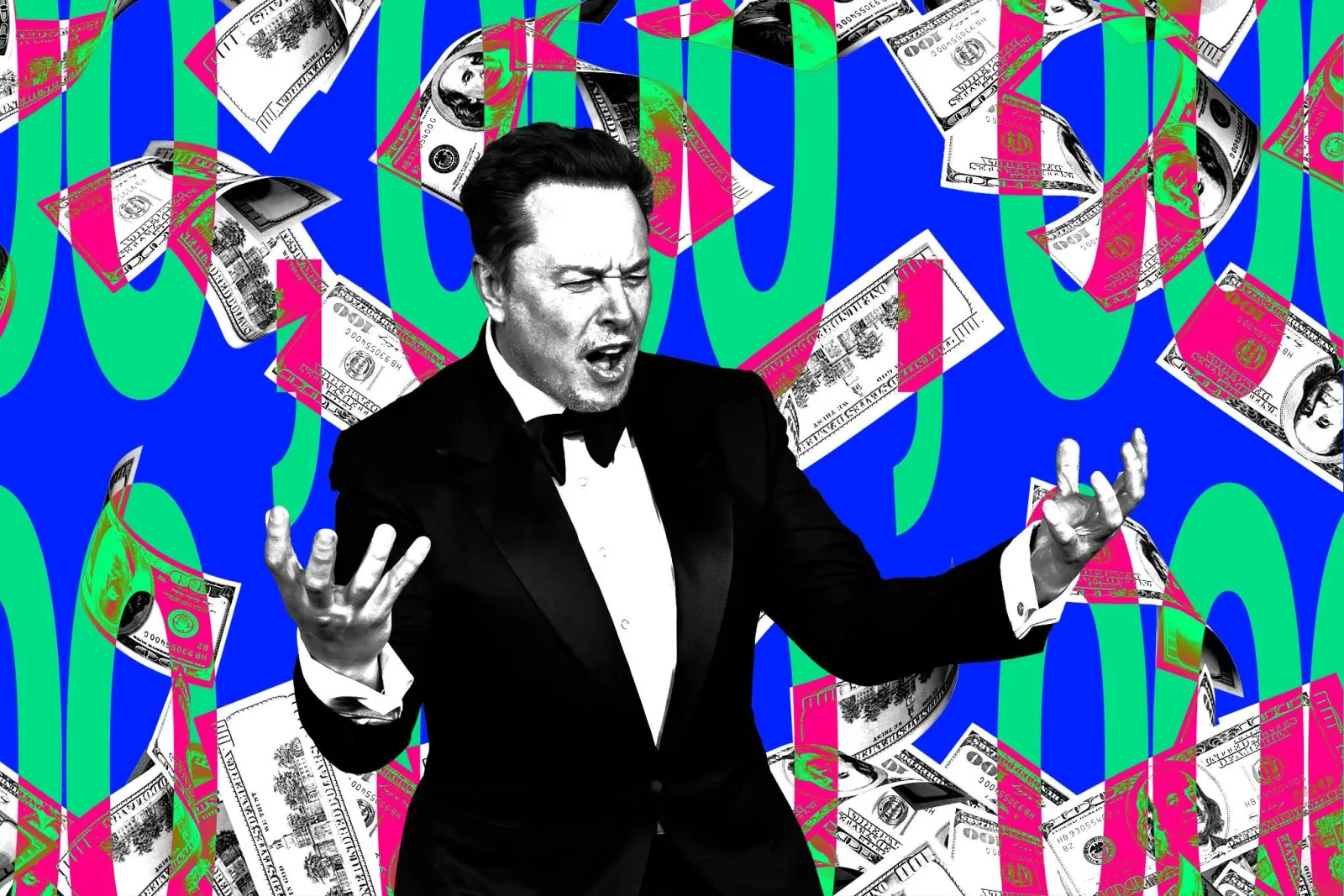
Elon Musk’s net worth passed $1 trillion after SpaceX’s IPO, driven by the value of his 4.8 billion SpaceX shares plus wealth tied to Tesla and other companies. For decision-makers, the milestone is a live case study in how private-market listings can instantly rewrite leadership wealth and capital expectations.
Elon Musk is now officially the world’s first trillionaire, with his net worth passing the $1 trillion mark after SpaceX’s IPO. Before that public debut, his wealth was hovering around $800 billion, and the transition happened fast enough to turn “near” into “there” in the span of an IPO moment. The math is straightforward but the implications are not. His stake includes the value of his 4.8 billion shares in SpaceX, stacked on top of his wealth from other companies like Tesla.
The market signal is equally specific. SpaceX shares opened at $150 and have remained well above the $138 benchmark that is tied to the “13-figure” net-worth threshold for Musk. That benchmark is important because it shows this is not a theoretical spreadsheet win. The stock is trading high enough that Musk’s trillion-dollar status is continually supported in real time by the market, not just by a one-day pop.
This is where corporate strategy and capital markets stop being abstract. An IPO is supposed to bring transparency, liquidity, and a valuation that the public can agree on (or at least trade against). But with SpaceX, the IPO did more than open a market. It effectively merged three different narratives into one valuation engine: rockets, AI, and Musk’s social media platforms. According to SpaceX, it combined those elements earlier this year and laid out its ambition in its S-1. The company said its goal is to "build the systems and technologies necessary to make life multiplanetary, to understand the true nature of the universe, and to extend the light …"
Read that as both mission language and investor psychology. SpaceX is not selling a near-term product roadmap in isolation. It is offering a long-horizon systems story, where engineering progress, launch cadence, and technical capabilities feed into a broader thesis about what the future looks like. When the public markets reward that thesis at scale, the payoff can be dramatic, even for a founder who also owns stakes in other major firms. In Musk’s case, the trillion milestone is a reflection of how capital markets can accelerate the wealth of operators whose assets are concentrated in a single high-impact holding.
From a governance and board-dynamics perspective, this kind of valuation leap forces everyone to think about incentives and structure. Musk holds a massive, concentrated position via those 4.8 billion SpaceX shares, so his personal wealth is tightly coupled to SpaceX’s market price. That can be motivating for management and aligned in one sense, but it also means that the company’s future trading range becomes a constant spotlight on execution. For other founders and boards, the signal is that investor expectations do not just affect financing rounds. They can redefine the financial gravity around decision-makers overnight.
There is also a regulatory and market-structure angle sitting underneath the headline number. An IPO is a regulatory milestone as much as a business one, and the moment a company crosses into public trading, it becomes subject to ongoing reporting and market scrutiny. The Verge piece ties Musk’s status to the IPO and the trading price levels, which are the public-market realities that follow a successful listing. That matters for any operator considering whether to take the plunge, because the market does not wait for “eventual” clarity. It reprices continuously, and a benchmark like $138 can become a hard line between “possible” and “done.”
Finally, the strategic stakes extend beyond celebrity economics. When someone crosses $1 trillion, it shifts how boards, investors, and employees interpret risk. It changes the default conversation about what kind of companies can be valued, how quickly expectations can rise, and how the narrative of “impossible” can turn into “priced in.” For executives at other ambitious companies, especially those balancing engineering-heavy roadmaps with technology hype cycles, this is a reminder that public pricing can turn a mission into a valuation event. The question is not whether SpaceX’s long-term goals are compelling. The question is whether their execution can keep the stock above the levels that make the headline true again and again, not just for a day after the IPO.
This story's Key Insights and Take-aways are locked.
Create a free account to unlock Executive Actions for one credit.
Register to UnlockAlways free for Executives Club members. Join the Club
More in Business

Apple unveils first foldable iPhone Duo with 7.6-inch display under new CEO Ternus
Apple's first foldable, the iPhone Duo, marks a major product bet for new CEO John Ternus, with a 7.6-inch unfolded screen.
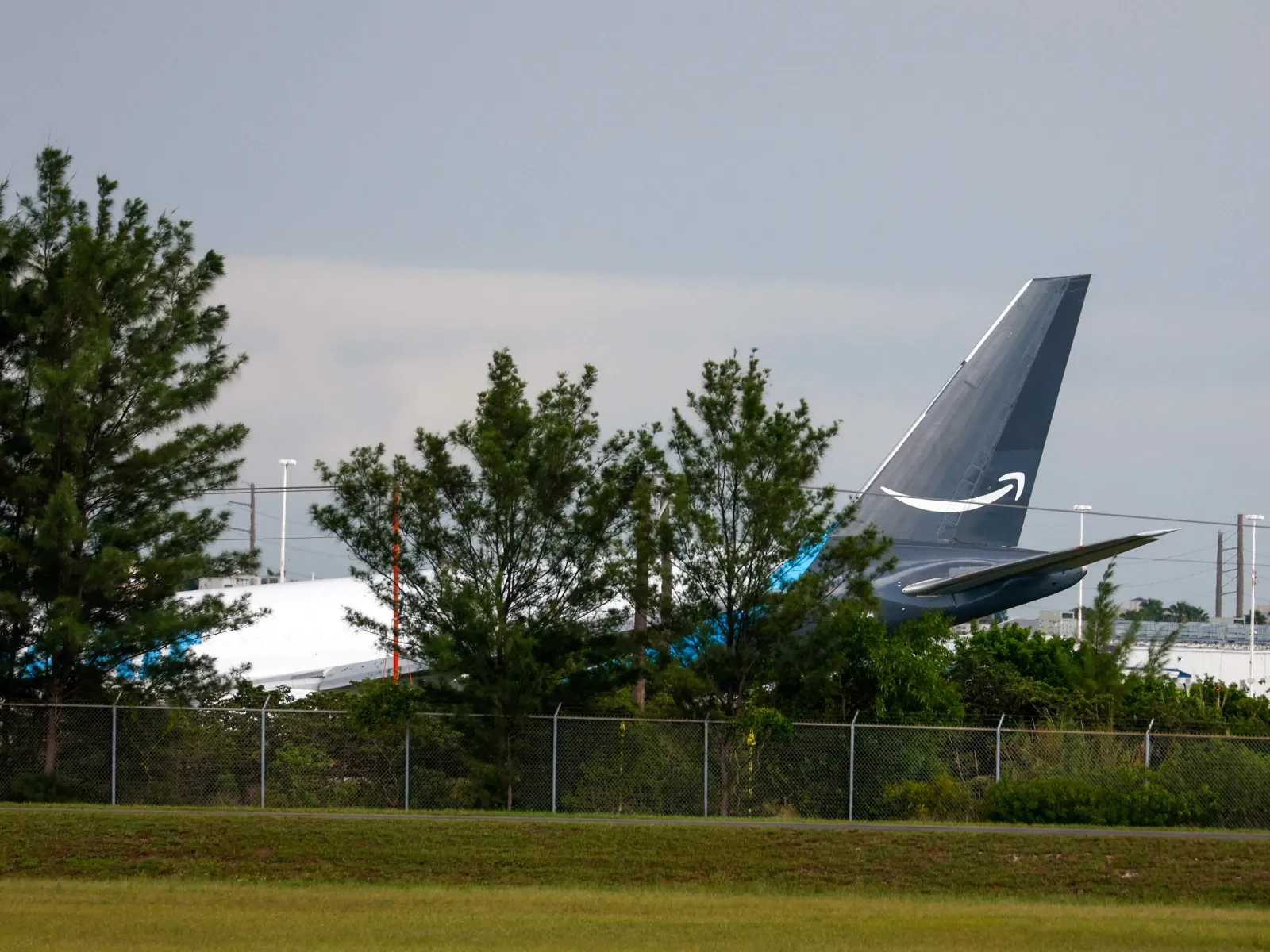
Amazon Prime Air 767 overshoots Miami runway, killing at least 5
The Boeing 767 freighter from San Juan struck vehicles and erupted in flames, prompting a ground stop and a fresh NTSB investigation into Amazon's air cargo network.
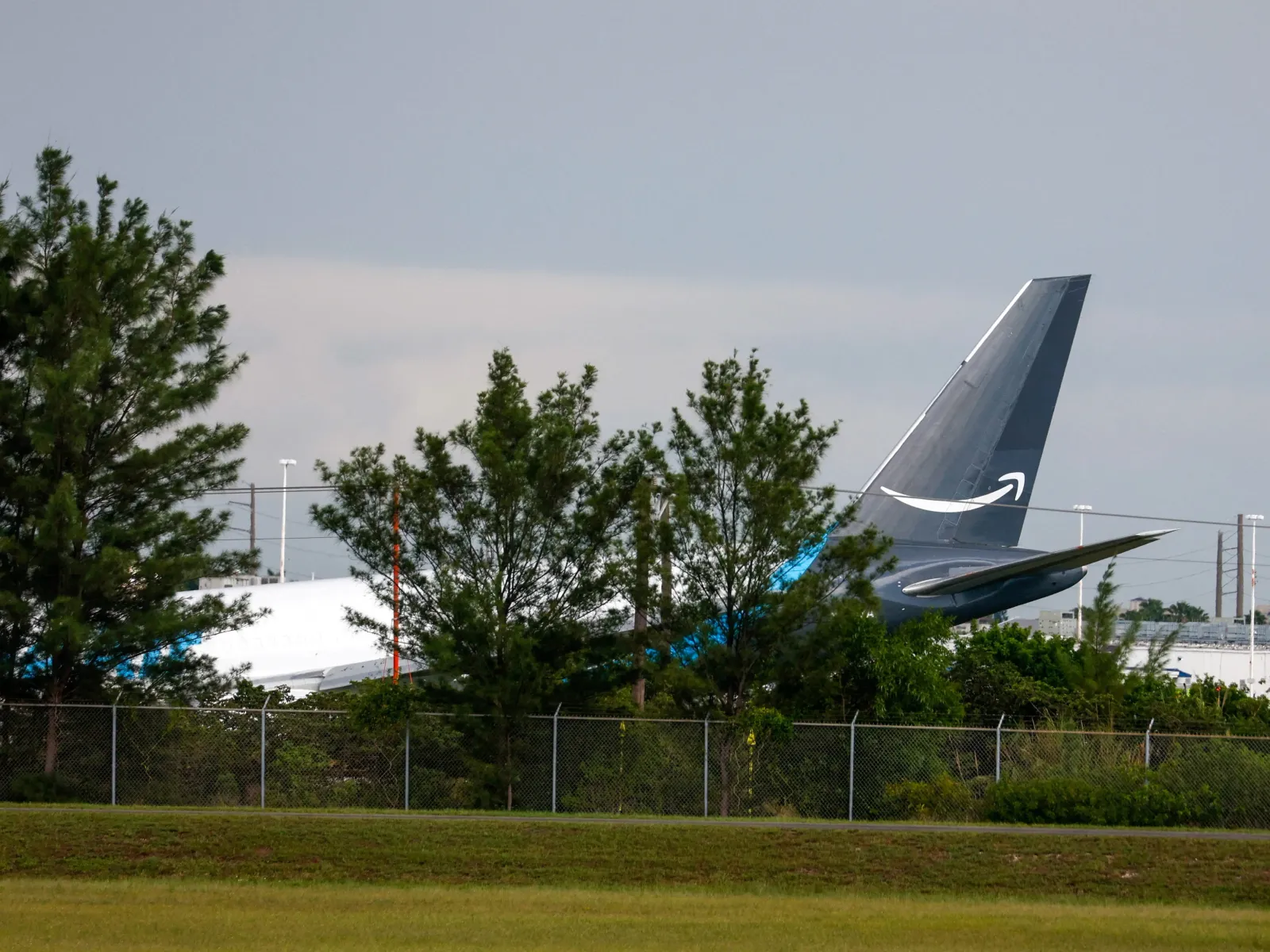
Amazon Prime Air 767 overshoots Miami runway, strikes vehicles, catches fire
The Boeing 767, operated by 21 Air, was arriving from San Juan when it overshot the runway, triggering a ground stop and multiple injuries.