

Elon Musk rejects “magic” for SpaceX orbital AI data centers, calling it not super hard
As critics push back on feasibility, Musk argues SpaceX can solve orbital compute without wizardry, and faster than regulators expect.
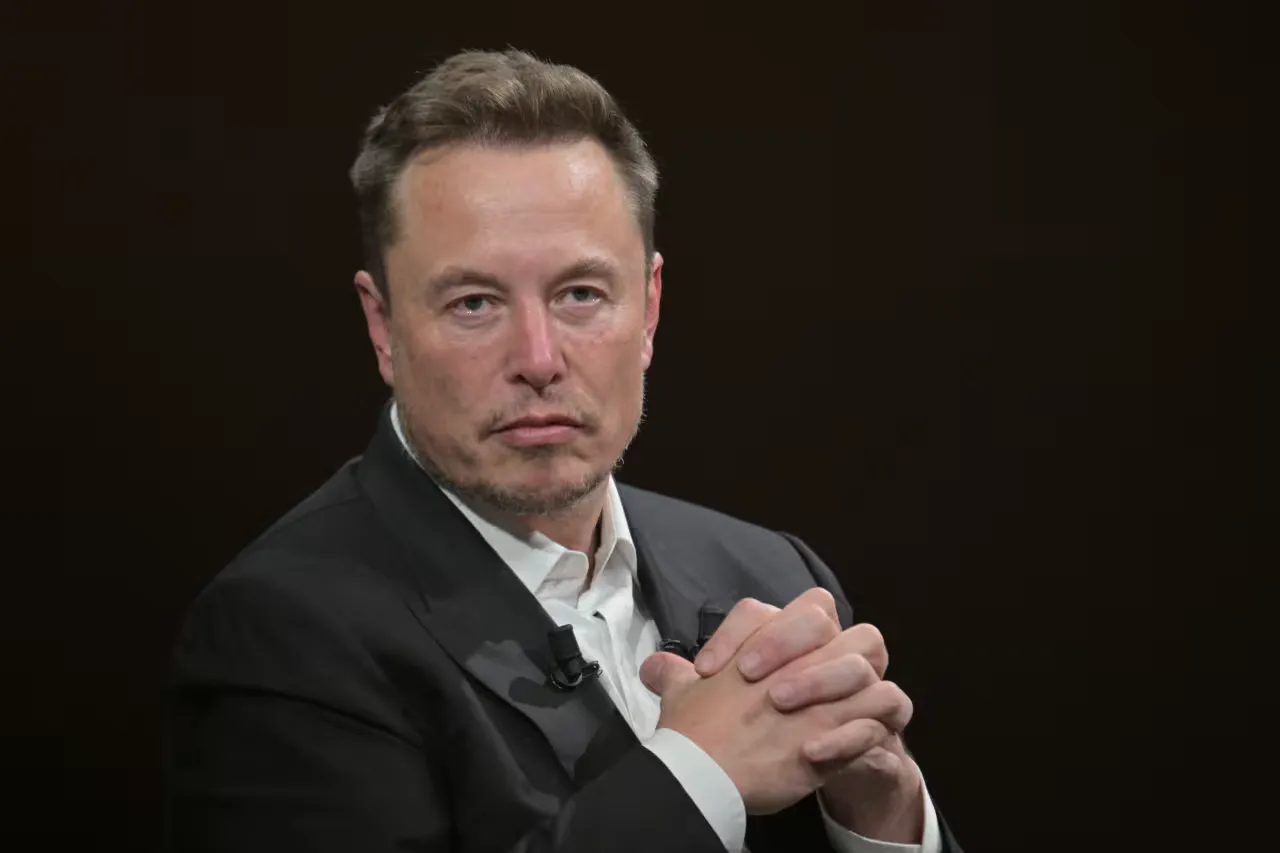
Elon Musk says SpaceX does not need “magic” to put AI data centers in space and frames it as not a “super hard problem” to solve. For decision-makers, that stance signals where capital and engineering attention may shift in the race to deploy AI infrastructure.
Elon Musk is taking aim at the skepticism around SpaceX putting AI data centers in orbit, arguing that it does not require “magic” and is not a “super hard problem” to solve. The claim lands right in the middle of a real debate: critics say orbital data centers are easier to describe than to actually build. Musk, in contrast, is pushing the narrative that this is the kind of engineering problem that can be worked through, not an impossible leap.
Why this matters now is simple. AI workloads are hungry for compute and bandwidth, and the infrastructure conversation is moving beyond just chips and data centers on Earth. When someone with Musk’s track record says space-based AI infrastructure is not inherently beyond reach, it changes how executives think about timelines, risk, and who they should treat as a serious competitor. It also pressures the industry to distinguish between “hard” and “too hard,” because those are very different categories for boards and investors.
To understand the temperature behind Musk’s comment, you have to start with the critics’ basic point. Orbital data centers sounds like science fiction, but orbital compute is still infrastructure. That means physical systems that have to be launched, operated, maintained, and secured in an environment where you cannot just send a technician with a screwdriver. For critics, the difficulty is not theoretical. It is the practical reality of building something that must survive launch stresses, operate reliably at altitude, and deliver service under constraints like power, cooling, connectivity, and latency.
Musk’s framing, however, is that this is not beyond the ability of SpaceX to solve. He is effectively challenging the idea that orbital compute is in a separate universe of difficulty from other aerospace engineering tasks. In other words, he is saying the issue is not “magic,” it is engineering. That difference matters because “magic” is a shorthand for “no clear path,” and “not super hard” is a shorthand for “there is a path, and it is plausible.” In markets, the shorthand becomes a signal that can steer decision-making, from where companies allocate engineering resources to what investors assume is realistic.
There is also a regulatory and governance angle, even though the source does not spell it out line by line. Space-based communications and any infrastructure that touches orbital assets generally exists in a world of compliance expectations, spectrum coordination, and licensing frameworks. Even if the technical hurdle is manageable, approval and operational rules can still shape how quickly something moves from demo to deployment. That makes Musk’s confidence relevant beyond the engineering team. It becomes a board-level question: how much schedule confidence is reasonable when the “hard problem” is partly technical and partly procedural.
Second-order implications are where executives should pay attention. If SpaceX or peers treat orbital data centers as a credible near-to-mid term development, it can influence negotiating leverage across the AI infrastructure stack. Network providers, satellite operators, cloud platforms, and hardware vendors all have supply chain and partnership decisions that depend on where compute will actually live. A shift toward “space as infrastructure” would mean new integration priorities, new customer expectations around latency and availability, and potentially new competition for terrestrial bandwidth.
For decision-makers watching from the ground, the strategic stake is whether orbital compute becomes a niche add-on or a serious parallel channel for AI workloads. Musk’s comment does not prove feasibility by itself. But it does highlight a key market reality: the person most associated with scaling space hardware is publicly rejecting the idea that orbital AI data centers are inherently impossible. In competitive tech cycles, that sort of stance can accelerate action, not because it eliminates the hard parts, but because it changes what teams think is worth betting on.
This story's Key Insights and Take-aways are locked.
Create a free account to unlock Executive Actions for one credit.
Register to UnlockAlways free for Executives Club members. Join the Club
More in Technology

OpenAI says 10,000 agents cracked a 90-year math problem in 88 hours
The company's claim is audacious, but one mathematician is pushing back. Here's what it means for AI-driven discovery.
Meta still serves child sexual abuse ads on Instagram in India - BBC report
A new report following the BBC Eye investigation says the ads are still there - what it signals for every platform with a self-serve ad engine.
White House yanks 'Build the Wall' game after Tetris Company copyright warning
The administration's arcade game vanished in hours - and the takedown playbook every brand can learn from.