
Elon Musk says he got “carried away” in politics
In a new Economist interview, the Tesla and SpaceX CEO downplays his political push, and executives should notice the governance shockwaves.

Elon Musk, CEO of Tesla and SpaceX, told The Economist that he thinks he got “a little too involved in politics” and that he “got carried away.” For decision-makers, it is a reminder that political visibility is not just reputation risk, it can become regulatory and governance risk fast.
Elon Musk, CEO of Tesla and SpaceX, just offered a rare self-audit of his political involvement, telling The Economist that he thinks he got “a little too involved in politics” and that he “got carried away frankly.” In a new interview released Thursday, Musk framed the episode as overreach rather than strategy, suggesting his increased interest in politics amid the 2024 election cycle went further than he intended.
For executives, the headline is not about vibes. It is about incentives. When a technology CEO becomes a high-profile political participant, the business consequences can arrive quietly first and then stack up. Musk is essentially acknowledging that his level of involvement exceeded his own judgment. That matters because companies like Tesla and SpaceX sit at the intersection of regulation, procurement, and public scrutiny, where political narratives can influence everything from enforcement priorities to permitting timelines. The “carried away” admission is a signal that, at least in his view, the marginal benefit of direct political engagement can be outweighed by the marginal cost of distraction, polarization, and increased scrutiny.
Zoom out, and the 2024 election context provides the backdrop for why a tech leader would get tempted in the first place. Major tech and industrial firms increasingly operate in domains where policy is not a distant topic. Space and automotive are both deeply tied to government decisions: contracts, subsidies, safety expectations, export rules, and the regulatory posture of agencies. When election stakes rise, public attention tightens around figures perceived as influential. Musk’s “increased interest in politics amid the 2024…” line (as described in the report) fits a broader pattern from recent cycles: prominent founders and executives often treat politics as a lever, assuming their voice can move outcomes faster than lobbying alone.
But the point of the Economist quote is that Musk now sees the lever as having slipped. That is where governance enters. Boards and general counsels typically plan for business risk, not for a CEO becoming a headline character in political coverage. Once that happens, internal management has to spend more time on message discipline and risk containment. External stakeholders, including regulators and customers, may also interpret the business leadership’s political posture as part of a company’s operating strategy. Even if the CEO is speaking personally, the market often treats the CEO as the company, and regulators may observe patterns in how leadership aligns with or opposes the direction of travel.
There is also the practical question of time and focus. A CEO can only operate with a limited bandwidth. If a founder or CEO increases political involvement, it can displace attention from product, operations, and strategic planning. Musk’s statement that he got “carried away” can be read as an admission of opportunity cost. For companies managing complex technology roadmaps, that opportunity cost is not theoretical. It can affect hiring, engineering cadence, investor communication, and crisis response. When the CEO is pulled toward political debates, the rest of the organization feels the shift, even if nobody says it out loud.
This is where second-order implications show up for peers. Other tech executives who have considered taking more public political positions can see the risk pattern without having to learn it the hard way. Political involvement can amplify reach, but it can also make governance conversations more urgent. Boards might ask whether the CEO’s public posture increases regulatory friction, changes stakeholder expectations, or complicates partnerships with government-linked entities. Even corporate strategy teams can face a new layer of work, where communications and compliance teams spend more effort translating the business impact of political narratives.
None of that requires assuming bad faith. It is a basic incentive mismatch between personal expression and corporate risk. Musk is not disputing the existence of politics. He is describing his own level of involvement as excessive. For decision-makers, that is the useful takeaway: if political engagement goes from “occasional” to “in the driver’s seat,” the company can inherit costs that do not show up on a quarterly dashboard until later.
In the end, Musk’s “carried away” remark is a reminder that even elite attention is still attention. In a world where technology companies are constantly interacting with policy, the CEO’s political posture can become a governance variable, not just a personal one. For executives watching the 2024 cycle and beyond, the question is not whether politics matters. It is whether your operating reality can absorb the consequences of the leadership visibility you choose, and whether the board has a plan when that visibility becomes too much.
This story's Key Insights and Take-aways are locked.
Create a free account to unlock Executive Actions for one credit.
Register to UnlockAlways free for Executives Club members. Join the Club
More in Politics
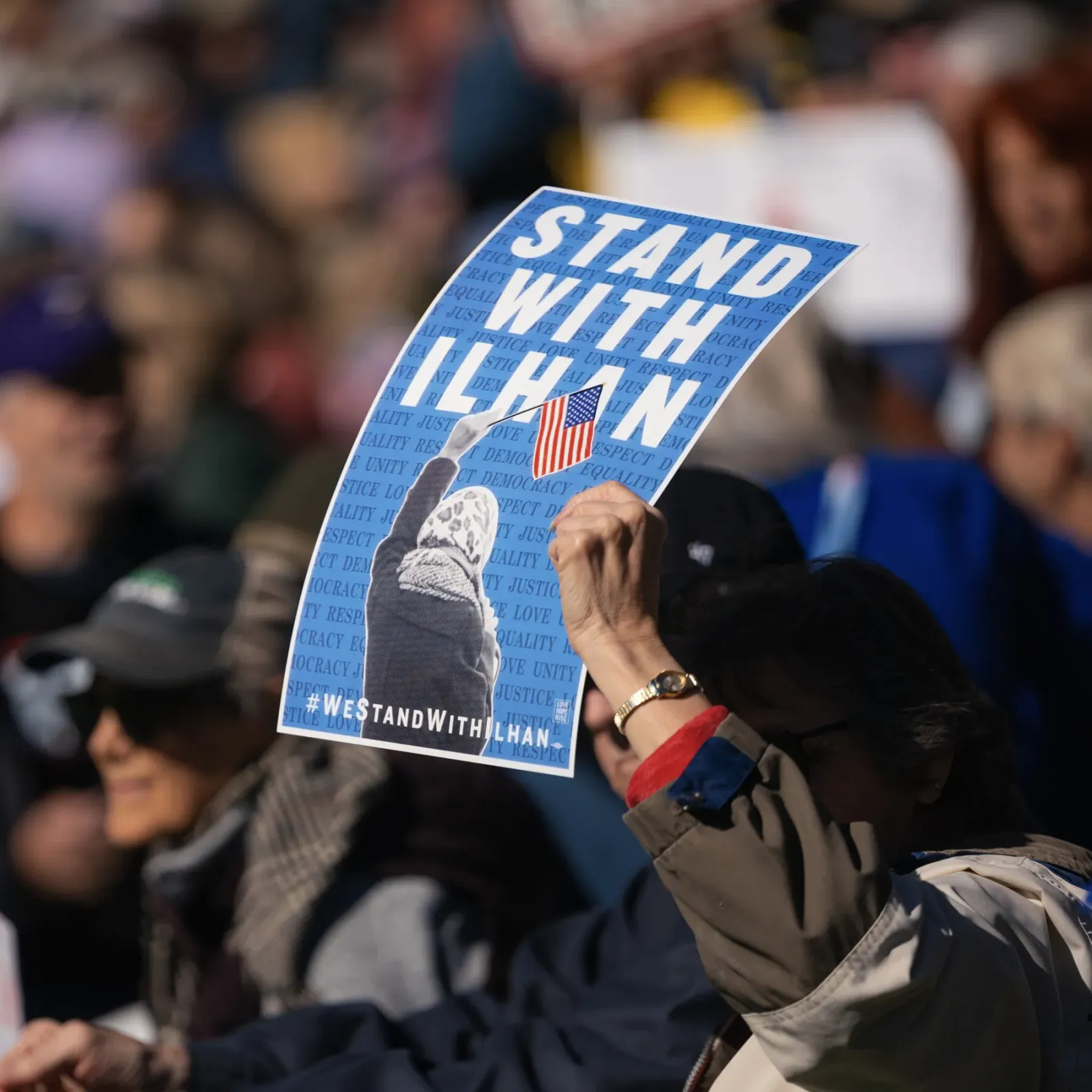
Obama Defends Ilhan Omar After Agents Search Her Home in Trump Inquiry
The former president's intervention raises the stakes in a federal probe into immigration paperwork that has put a prominent progressive lawmaker in the crosshairs.
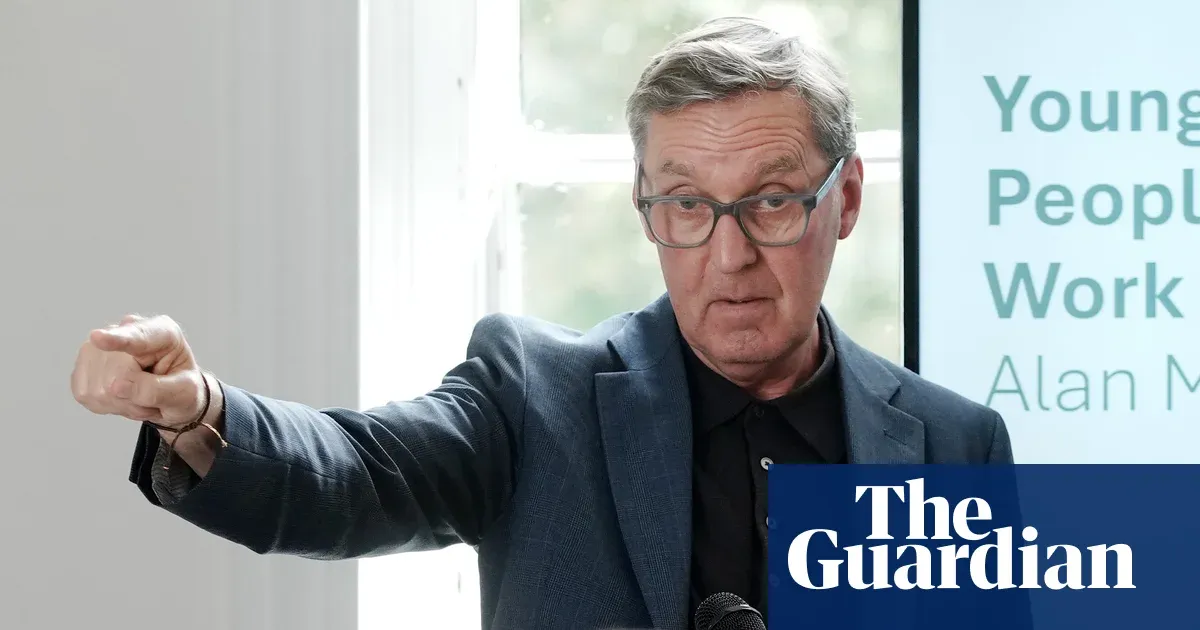
Blair-era minister: cut welfare to fund youth job support
Alan Milburn's call for welfare cuts to fund employment support opens a Labour fight over benefits and the Neet crisis.
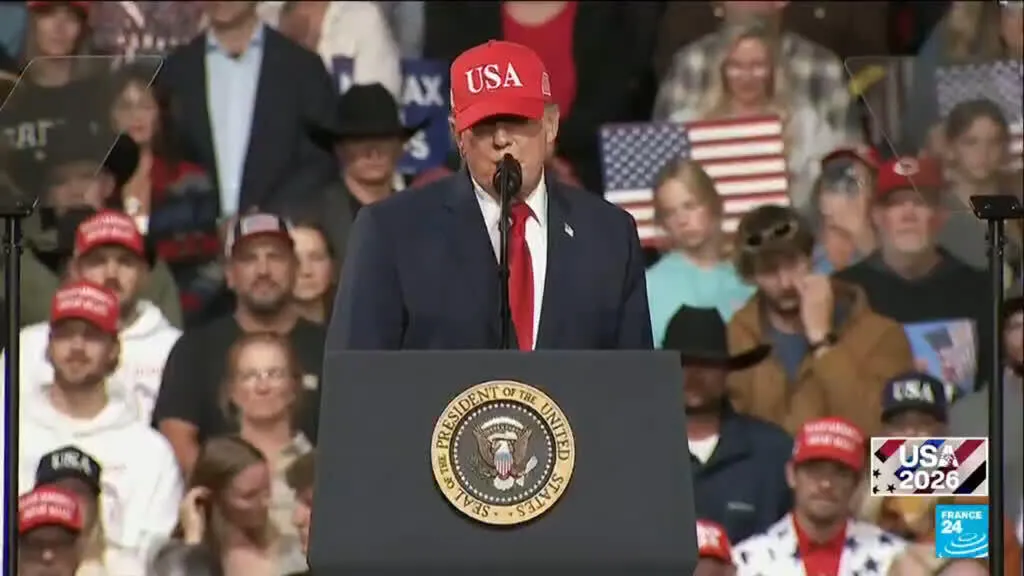
Hot September CPI: energy costs surge, voters feel the squeeze before midterms
The latest inflation print lands as Trump campaigns for GOP control of Congress, putting cost-of-living worries at the center of the midterm fight.