
Elon Musk says SpaceX could earn $1tn yearly by 2030 after record IPO
A two-day post-IPO comment on X frames a trillion-dollar pace by 2030, with implications for investors and regulators.

Elon Musk, discussing SpaceX on X, said the company could be earning roughly $1 trillion a year by 2030 and probably more in 2031, The timing matters because it came just two days after SpaceX went public in what Reuters described as the largest stock-market debut on record.
Two days after SpaceX went public in the largest stock-market debut on record, Elon Musk made a fresh, very big claim: the company could be earning roughly $1tn a year by 2030, and probably more in 2031. He posted the statement on X over the weekend, For decision-makers, the headline stake is straightforward. If you are an investor, a board member, or a corporate finance leader, you are now staring at the gap between valuation excitement and a long-range revenue target that, on its face, implies a massive scale-up. Musk’s $1tn by 2030 comment is not just future talk for outer space. It is a signal that SpaceX’s long-term earnings narrative is meant to match, or even justify, the kind of public-market attention it just received.
To understand why this lands so hard, you have to separate the two moments in the story. First, the IPO. Reuters characterized it as the largest stock-market debut on record, and in the immediate aftermath, the stock was still settling. That “settling” matters because it hints at the messy reality right after a major listing. Shares can trade wildly, liquidity can shift, and investors are still calibrating what they think the business is worth.
Second, the claim Musk made on X. The platform is informal, fast, and often treated like a direct line to the company’s thinking. Whether or not you view the exact numbers as precision forecasts, the action is still meaningful: Musk publicly anchors a trillion-dollar revenue future to a specific year, 2030, and extends the trajectory into 2031.
That creates a predictable second-order effect for executives and boards: public revenue targets can quickly become internal benchmarks. Even when a CEO tries to frame a statement as aspiration rather than guidance, public investors tend to translate big numbers into questions about execution, capital allocation, and risk appetite. Boards, in particular, spend a lot of time managing expectations in public markets, where the downside of being “too ambitious” can show up as credibility loss.
There is also a regulatory and compliance angle to consider, especially for companies that operate in heavily scrutinized industries. Space has unique regulatory pathways, with national and international rules shaping what can launch, where satellites can operate, and how spectrum or safety requirements are handled. When a company is newly public, it typically faces a tighter spotlight on how it communicates material information and how it balances strategic messaging with the need for clarity. A statement on X from the CEO is fast, but the consequences for how the market interprets it can be slow, lasting, and expensive.
The market context is not subtle. After the biggest debut on record, investors do not just buy the existing business. They buy the story of how a company scales, and they demand evidence that scaling is repeatable. That is why Musk’s $1tn annual framing is so jarring. It is an attempt to pull the future into the present, to make a long-term peak feel like part of the IPO’s thesis. If the market starts treating that future as a “must be achievable” benchmark, then execution becomes the only thing that matters.
For peers, the strategic stakes extend beyond SpaceX. Any company considering a similar capital market move is watching how public investors digest big vision plus concrete date stamping. Any board overseeing an ambitious growth plan is seeing a real-time case study in how quickly public comments can shape the narrative. In other words, the post-IPO moment is not finished just because the shares started trading. The next phase is what the company and its leadership do with the expectations they just set.
Musk’s two-day post-listing comment on X, Reuters reported, puts an aggressive earnings target on the table while the stock is still settling. Whether SpaceX reaches that specific number or not, the immediate consequence is the same: the company has invited the market to measure it against a trillion-dollar annual revenue horizon by 2030, with a probable step up in 2031, and that kind of anchor changes how executives, investors, and regulators will focus their attention.
This story's Key Insights and Take-aways are locked.
Create a free account to unlock Executive Actions for one credit.
Register to UnlockAlways free for Executives Club members. Join the Club
More in Business

Apple unveils first foldable iPhone Duo with 7.6-inch display under new CEO Ternus
Apple's first foldable, the iPhone Duo, marks a major product bet for new CEO John Ternus, with a 7.6-inch unfolded screen.
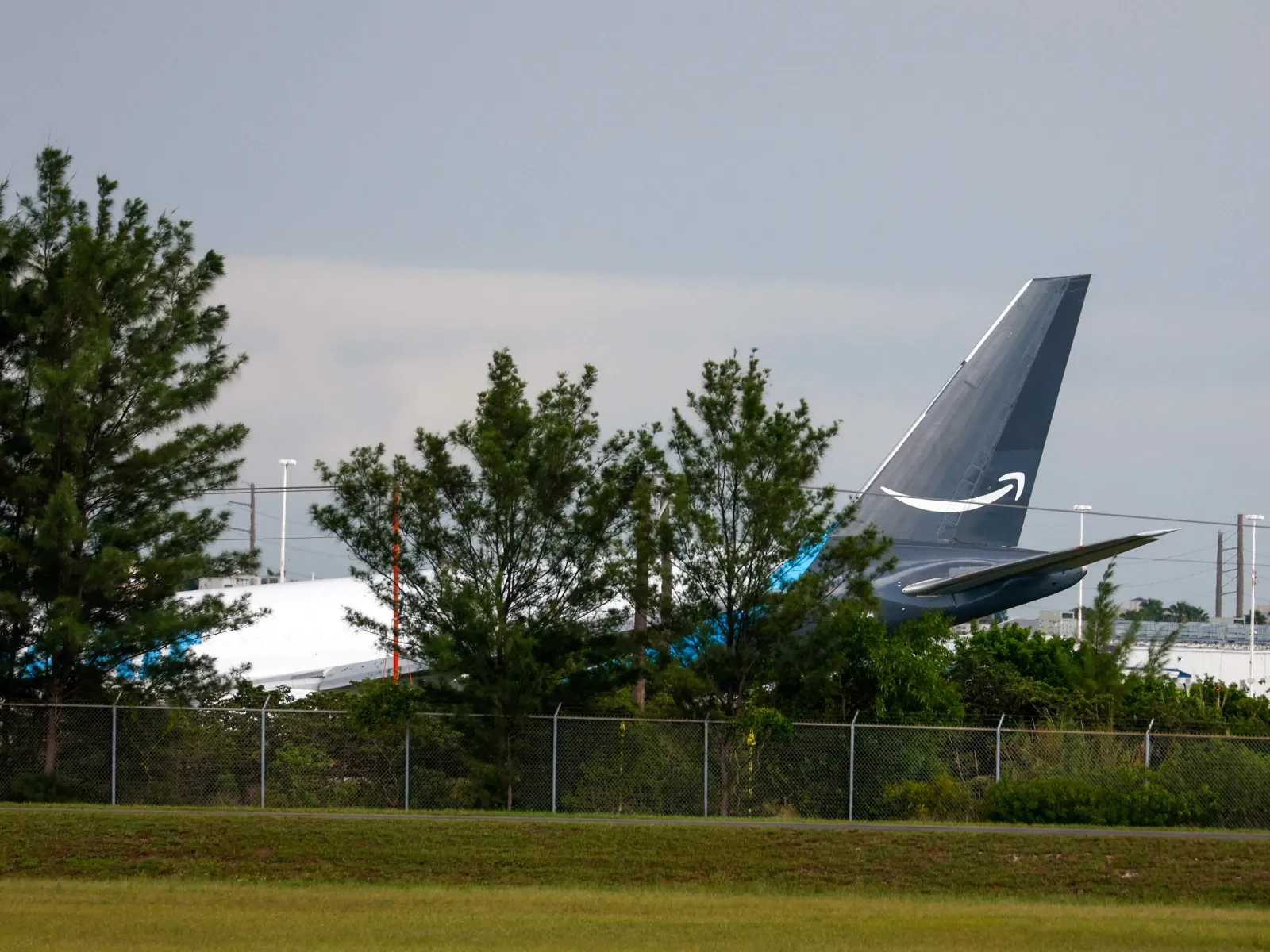
Amazon Prime Air 767 overshoots Miami runway, killing at least 5
The Boeing 767 freighter from San Juan struck vehicles and erupted in flames, prompting a ground stop and a fresh NTSB investigation into Amazon's air cargo network.
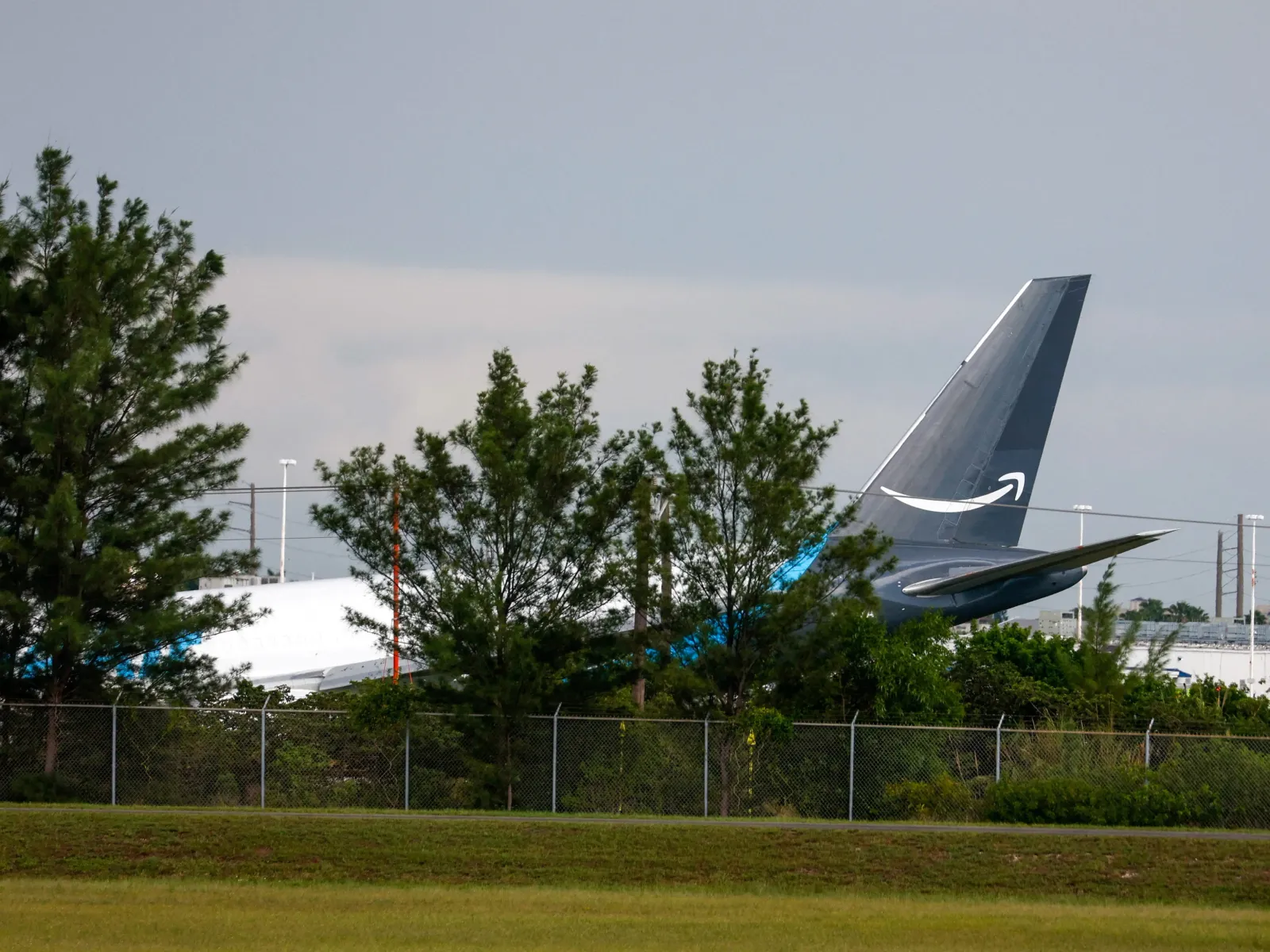
Amazon Prime Air 767 overshoots Miami runway, strikes vehicles, catches fire
The Boeing 767, operated by 21 Air, was arriving from San Juan when it overshot the runway, triggering a ground stop and multiple injuries.