

Emmy Awards exit broadcast TV for Prime Video in historic streaming deal
The Television Academy's six-year Prime Video pact ends broadcast TV's awards monopoly. Here's what it means for streamers, advertisers, and the ceremony's future.

The Television Academy and Amazon Prime Video announced a historic multiyear deal that will move the Emmy Awards to streaming after more than 75 years on broadcast TV. For decision-makers, the shift signals the end of broadcast's awards-show monopoly and opens a new playbook for live-event rights.
The Emmy Awards are leaving broadcast TV. After more than 75 years on network television, the Television Academy and Amazon Prime Video announced Tuesday a "historic, multiyear deal" that will make the streaming giant the new home of the annual ceremony. The pact, reported as a six-year agreement, ends the awards show's long run on broadcast networks and hands one of television's biggest nights to a streamer.
The shift is more than a venue change. It is a recognition that the broadcast model that built the Emmys, and sustained awards shows for decades, no longer matches how audiences watch television. For the Television Academy, the deal promises a new distribution channel and access to Amazon's global reach. For Prime Video, it secures a live, appointment-viewing event that can drive subscriptions and advertising revenue. For the networks that lose the ceremony, it is another sign that premium live programming is migrating to platforms with deeper pockets and direct subscriber relationships.
For context, the Emmys have been a broadcast staple for more than 75 years, and awards shows in general have seen their audiences shrink in recent years as viewers cut cords and shift to on-demand streaming. The Television Academy's decision to partner with Prime Video is a bet that a streaming home can reverse that trend by meeting audiences where they already are, on platforms that deliver content to phones, laptops, and smart TVs without a cable subscription.
The deal also reshapes the competitive landscape for live-event rights. Broadcast networks have long used awards shows, sports, and other live programming as anchors for their schedules and advertising sales. Losing the Emmys removes one of those anchors. At the same time, streaming services have been aggressively pursuing live events, from sports to concerts to awards, because live programming is one of the few formats that still commands simultaneous, appointment viewing and premium ad rates. Prime Video's acquisition of the Emmys signals that the streaming wars have moved beyond scripted series and movies into the territory of shared cultural moments.
For advertisers, the move changes how they can reach the Emmys audience. Broadcast TV has traditionally sold awards-show inventory based on reach and live viewership. A streaming platform can offer targeted ads, interactive formats, and viewer data that broadcast cannot. That could make the Emmys more valuable to some advertisers even if total viewership is lower. It also gives Prime Video a premium environment to showcase its advertising capabilities, which have become a key growth area for streaming services.
For the Television Academy, the move carries both opportunity and risk. On one hand, Prime Video provides a modern streaming infrastructure and a direct line to viewers who have already cut the cord. On the other, the Emmys will no longer be available to households that rely on free over-the-air television, which could reduce the ceremony's cultural footprint even as it gains a more targeted, digital-savvy audience. The Academy will need to balance the financial upside of the deal with the intangible value of broadcast reach.
The deal signals that no legacy distribution model is safe. The Emmys' departure from broadcast TV follows a pattern seen across media: content owners are increasingly willing to abandon traditional outlets in favor of platforms that offer better economics, better data, and a direct line to consumers. For companies that own premium intellectual property, the shift raises the question of how to structure deals that preserve value and optionality. For companies that depend on aggregating live content, the challenge is to prove they can still deliver the scale that advertisers and audiences expect.
The six-year term of the deal gives both sides time to experiment with format, distribution, and monetization. It also gives competitors a window to respond. Other awards shows and live-event rights holders now have a clear reference point: a major ceremony moving to streaming after more than 75 years on broadcast TV. The next few years will show whether the Emmys' streaming debut expands the audience or narrows it.
For now, the Emmys are heading to Prime Video, and the broadcast era of awards shows is officially over. The next few years will show whether streaming can deliver the scale and spectacle that broadcast once did, and whether the Television Academy's bet pays off for the industry that created it. For now, the move is a reminder that the center of gravity in television has shifted, and the Emmys are following the audience.
This story's Key Insights and Take-aways are locked.
Create a free account to unlock Executive Actions for one credit.
Register to UnlockAlways free for Executives Club members. Join the Club
More in Entertainment
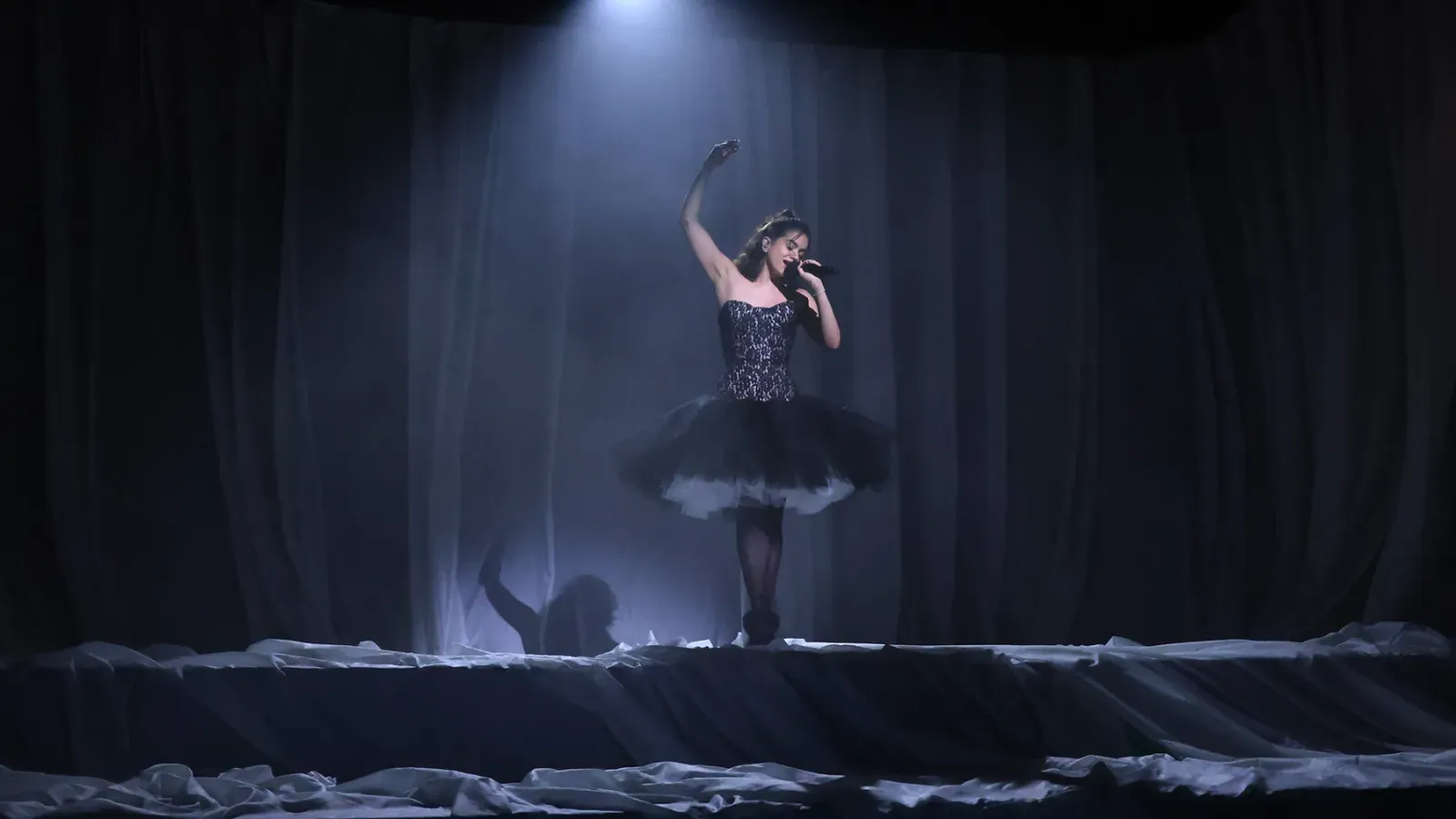
'It's a Magic Trick': Ballet Experts Say Rosalía's SNL Pose Is Impossible
Three ballet experts tell Rolling Stone Rosalía's gravity-defying SNL stillness shouldn't be possible - and why the debate is now part of the show.

Activision CMO: GTA 6 Will Boost Call of Duty, Not Bury It
Activision's top marketer says Rockstar's blockbuster will drive players back to consoles and into Modern Warfare 4, even as the company admits its recent strategy failed.
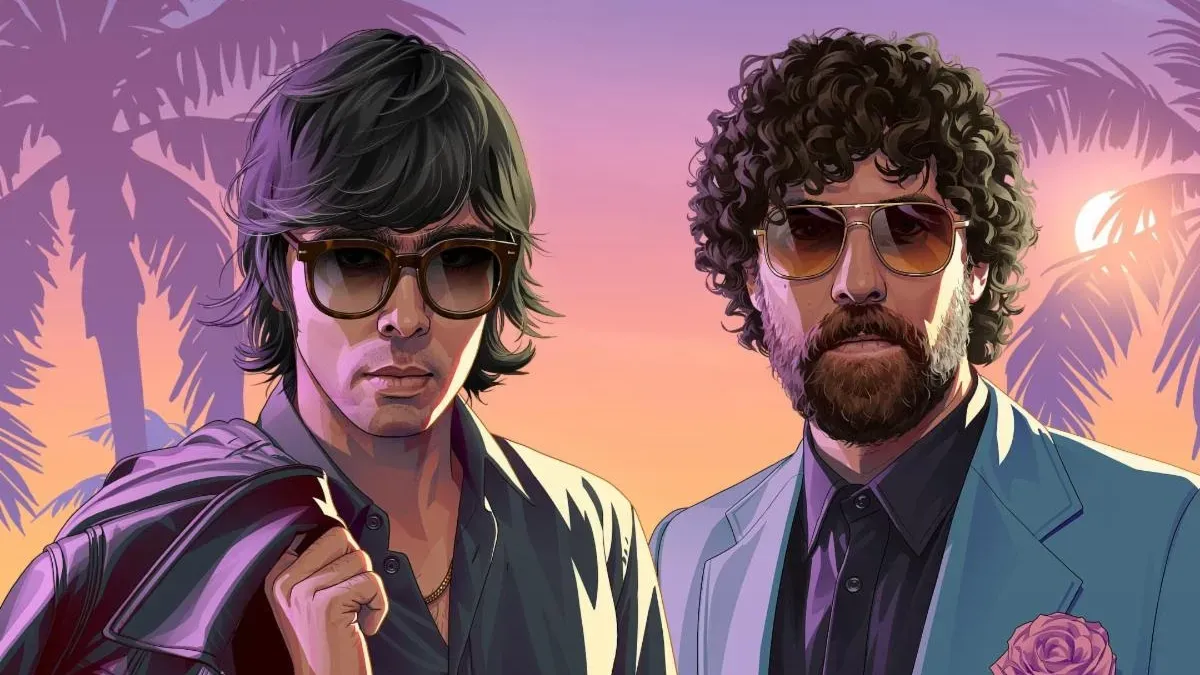
Justice to Score GTA 6, Share New Song with Tame Impala, SZA, King Gizzard
Rockstar taps the French duo for the GTA VI score, and the first taste is a genre-melting collab with Tame Impala, SZA, and King Gizzard & The Lizard Wizard.