

Emmys move key writing, directing, acting categories to Creative Arts after Board vote
The Television Academy voted to cut several Primetime categories and push them to Sept 5-6. Here’s what it means.
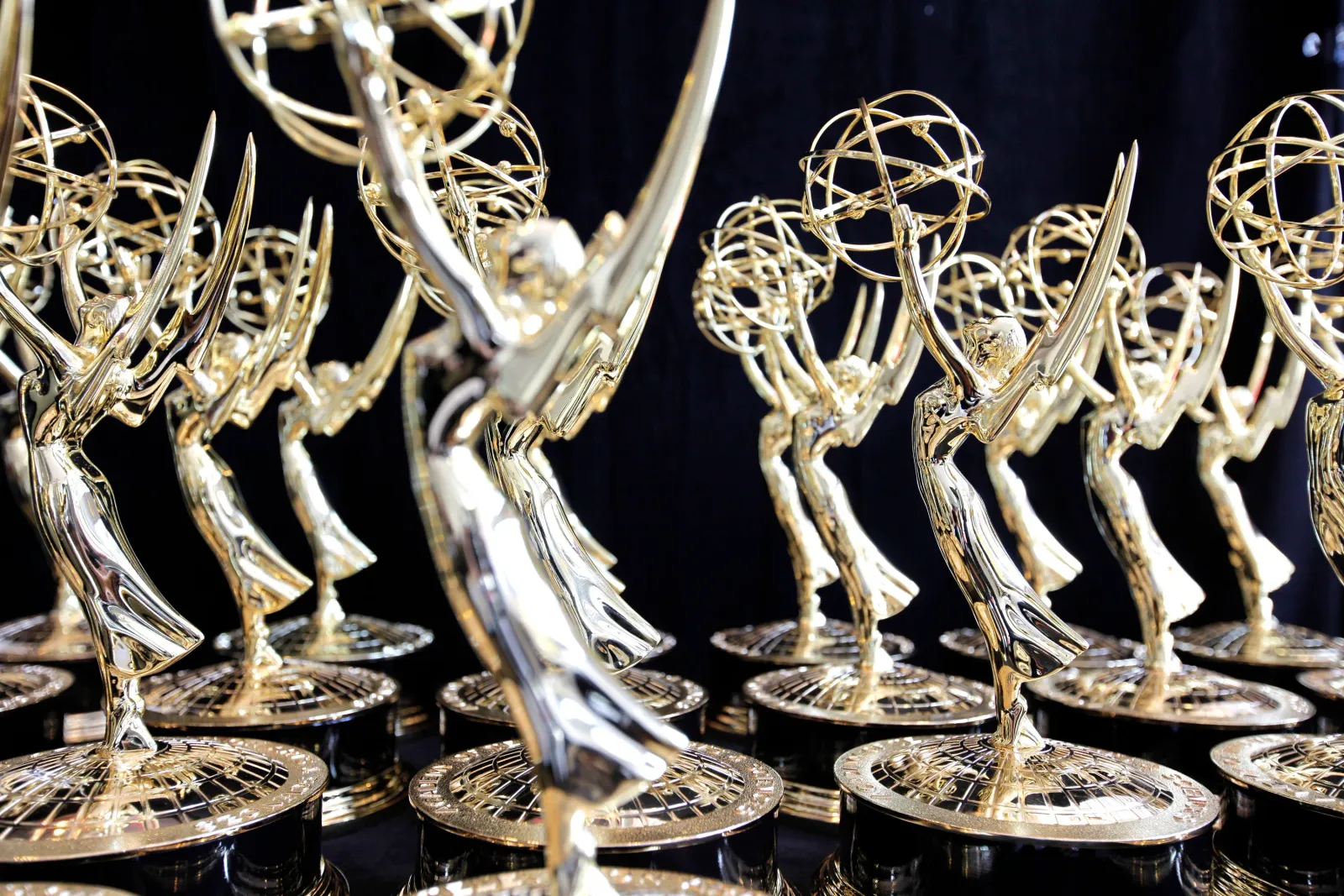
The Television Academy’s Board of Governors voted to drop several key Primetime Emmy categories and move them to the Creative Arts ceremonies. The shift is set against this year’s Primetime show on NBC Monday, September 14, with the Creative Arts events on the weekend of September 5 and 6.
The Television Academy’s Board of Governors just voted to do something the awards world has seen before: slice out several categories from the Primetime Emmy broadcast and re-home them in the Creative Arts ceremonies instead. This year’s Primetime Emmy show lands on NBC on Monday, September 14, while the Creative Arts ceremonies will be held on the weekend of September 5 and 6.
So the immediate question for anyone tracking prestige, strategy, and incentives is not whether the categories are moving. It is which categories are involved and whether the Guilds and their members consider the change acceptable. Deadline frames it as a “key writing, directing, and acting categories” move, which signals the Academy is not just trimming obscure subcategories. It is tampering with the awards that can shape careers, negotiations, and the way studios and networks market themselves during awards season.
To understand why this matters, start with what Primetime Emmys represent in the industry. Primetime is the flagship broadcast. It is where campaigns get their biggest spotlight, where networks and streamers lean hardest into narrative. Even for people who do not obsess over Emmy politics, the business reality is that awards-season attention feeds distribution decisions, programming confidence, and talent brand. When categories that matter get moved away from the main broadcast, it can change how much audience attention and media oxygen those wins generate.
From a governance perspective, this is also about balancing ceremony time, production considerations, and viewing dynamics. Awards shows are increasingly treated like live programming products. Networks and platforms care about pacing, audience drop-off, and social reach. The Academy, meanwhile, has to run an operation that includes not only the Primetime telecast but also the separate Creative Arts weekend, where many of the “craft” and technical categories typically live.
But Deadline’s framing makes the key point: this move has been tried before. That matters because it suggests the Academy is not learning from scratch. It is revisiting a decision with known tradeoffs, including backlash risk. When you move categories, you are not merely scheduling. You are also changing how participating groups perceive fairness and recognition.
That is where the Guilds come in. The question posed by Deadline is blunt: will the Guilds agree? In plain terms, Guilds represent members whose work is being evaluated, and they have an interest in how those evaluations translate into recognition. If the Guilds view the move as reducing visibility for the affected disciplines, they may push back with public messaging or internal pressure. Even if the Board can technically make the call, acceptance is still part of the system. Awards legitimacy depends on the community buying into the premise.
Now zoom out to second-order implications for decision-makers. Studios, streamers, and agencies build awards strategies months in advance. They allocate campaigning resources, coordinate schedules for in-person participation, and time marketing pushes around specific ceremony moments. If writing, directing, and acting categories shift to the Creative Arts weekend, that alters the calendar and may also shift who shows up, how media covers the winners, and how talent teams plan their own announcements.
There is also a reputational layer. “Primetime” carries a certain meaning, and moving categories can be interpreted either as a logistical optimization or as a downgrading. Either interpretation can influence internal perceptions among executives. For example, a studio executive might see it as a chance to streamline a crowded broadcast, while a talent side might see it as reduced prestige at the moment that prestige matters most.
And that brings the stakes home for peers in similar roles. If you are a network executive, platform operator, studio head, or talent agency leader, this is a reminder that Emmy governance is not just ceremonial. Board votes can rewire incentives and reshape how prestige is packaged for public consumption. If the Guilds push back or if the categories end up feeling “less Primetime” to the public, the industry will quickly adjust its messaging, and campaign strategy will follow.
In short, the Television Academy Board’s vote sets up a real test of alignment between the Academy’s operational priorities and the creative community’s expectations. With the Primetime show on NBC Monday, September 14 and the Creative Arts ceremonies on Sept 5 and 6, the industry now has a new awards rhythm. The question Deadline highlights is whether the people most invested in those writing, directing, and acting categories see the move as fair. That answer will shape not just this season’s headlines, but how everyone designs next season’s campaigns.
This story's Key Insights and Take-aways are locked.
Create a free account to unlock Executive Actions for one credit.
Register to UnlockAlways free for Executives Club members. Join the Club
More in Entertainment

12TB Steam 'teraleak' goes beyond Valve: GTA 3, Mafia 2 prototypes exposed
A 12-terabyte dump of Steam data reveals prototypes and builds of third-party classics like GTA 3 and Mafia 2, plus unreleased Valve content, rewriting game history.

LinkedIn's romance problem: 1 in 4 workers say dating on it is fair game
A new survey shows a quarter of U.S. employees treat the professional network as fair game for romance, even as LinkedIn bans it and removes hundreds of thousands of offending posts.

Enhypen's first No. 1 album breaks K-pop's Billboard 200 streak
The K-pop group's 98,000-unit debut tops the chart while Dolly Parton's catalog reentry shows how death reshapes streaming.