

Entertainer Russell Brand denies 7 sex charges amid accuser's 'couldn't breathe' claim
The alleged victim's account sharpens the reputational and legal stakes for Brand, his platforms, and any business tied to a public figure under criminal scrutiny.

Entertainer Russell Brand denies three counts of rape, three counts of sexual assault, and one indecent assault. The accuser's statement that she 'couldn't speak or breathe' during the alleged incident intensifies public scrutiny of Brand and the risks for brands and employers linked to him.
Russell Brand is facing seven criminal charges: three counts of rape, three counts of sexual assault, and one count of indecent assault. The entertainer, whose career spans comedy, film, and wellness influencing, denies all seven counts. In an account reported by the BBC, the woman said she "couldn't speak or breathe" during the alleged rape, a visceral detail that now sits at the center of a case drawing far more than legal attention.
The accuser's language lands with the weight of a decade of public reckoning over sexual misconduct. While Brand has denied the allegations, the phrase "couldn't speak or breathe" has already entered the public narrative, and in the age of social media, it will travel faster than any court filing. For executives and investors, the case is a reminder that reputational risk does not wait for a verdict; it compounds daily through headlines, hashtags, and boardroom whispers.
Brand's trajectory is instructive. He rose to fame as a provocative comedian in the 2000s, then pivoted to podcasts, wellness content, and a massive online following. That platform built his commercial value, but it also magnifies every allegation. The same channels that made him wealthy now carry the accuser's account to millions, illustrating how a personal brand can become a two-edged sword when legal trouble arrives.
The charges themselves are severe, and if proven, carry substantial penalties. But legal outcomes are only part of the calculus for businesses. Talent contracts, endorsement deals, and partnership agreements often include morality clauses, yet those clauses rarely anticipate the full blast radius of a high-profile accusation. Insurance markets have already begun pricing in these risks, and this case will likely accelerate that trend.
For founders, CEOs, and board members, the lesson is blunt: the person is the product. When a founder or ambassador becomes a legal defendant, the company's valuation, culture, and stakeholder trust are all in play. Public denials are often necessary, but they do not stop the flow of scrutiny. The smartest approach is to prepare a crisis playbook before the first headline, not after.
The case also sits within a broader evolution of how the public treats allegations. The #MeToo movement changed what is considered acceptable evidence of character, while also prompting debates about due process. For decision-makers in media and entertainment, this trial will offer a live test of how those tensions play out, and it may influence future standards for reporting, insurance premiums, and acquisition due diligence.
Brand's continued visibility gives him a platform to contest the allegations, but it also gives the accuser a stage. That symmetry is a defining feature of the influencer era, where legal battles become media battles in real time. Executives should watch how the trial is covered, which evidence is emphasized, and how public sentiment shifts, as these signals often predict regulatory and market reactions.
Ultimately, this is a story about power, consent, and the long shadow of allegations. For a business leader, the operational takeaway is that risk can emerge from the most unexpected corners of a public figure's past. The most resilient organizations are those that look beyond legal denials and map the entire landscape of potential claims, partners, and observers before the story breaks.
This story's Key Insights and Take-aways are locked.
Create a free account to unlock Executive Actions for one credit.
Register to UnlockAlways free for Executives Club members. Join the Club
More in Entertainment
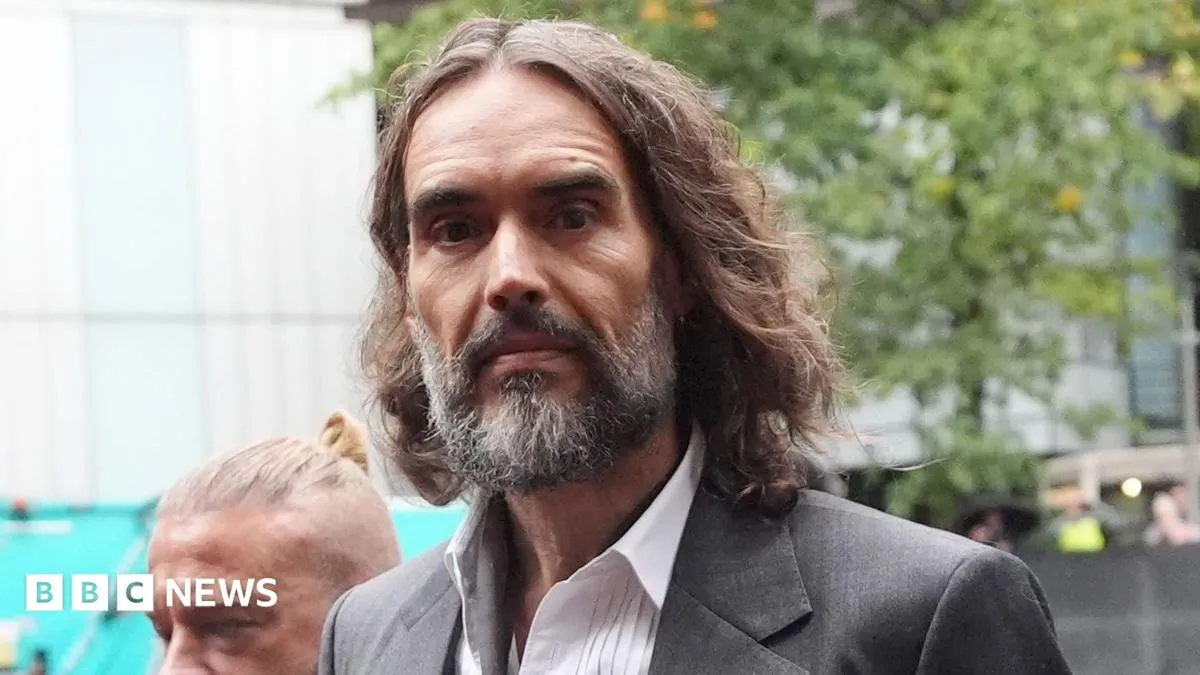
Russell Brand's accuser 'bewildered and confused' as he denies 7 sex charges
The criminal case against the comedian is a live test of how media companies manage talent risk when serious allegations go public.
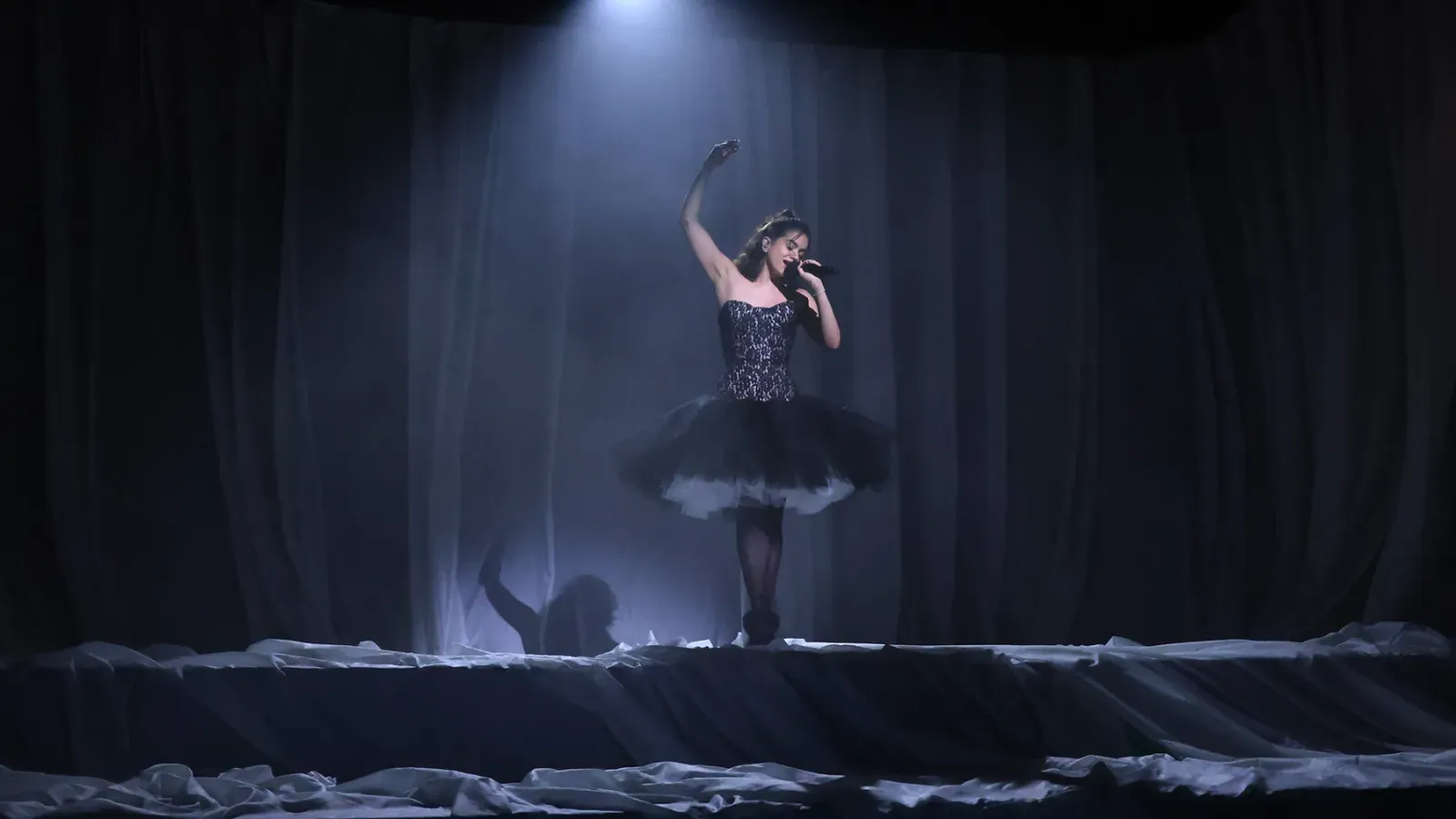
'It's a Magic Trick': Ballet Experts Say Rosalía's SNL Pose Is Impossible
Three ballet experts tell Rolling Stone Rosalía's gravity-defying SNL stillness shouldn't be possible - and why the debate is now part of the show.

Activision CMO: GTA 6 Will Boost Call of Duty, Not Bury It
Activision's top marketer says Rockstar's blockbuster will drive players back to consoles and into Modern Warfare 4, even as the company admits its recent strategy failed.