
Epic’s Unreal Engine 6 will let Fortnite skins travel to other games
An Unreal Engine 6 feature aims to make Fortnite cosmetics usable across titles, turning Epic’s metaverse talk into something testable.
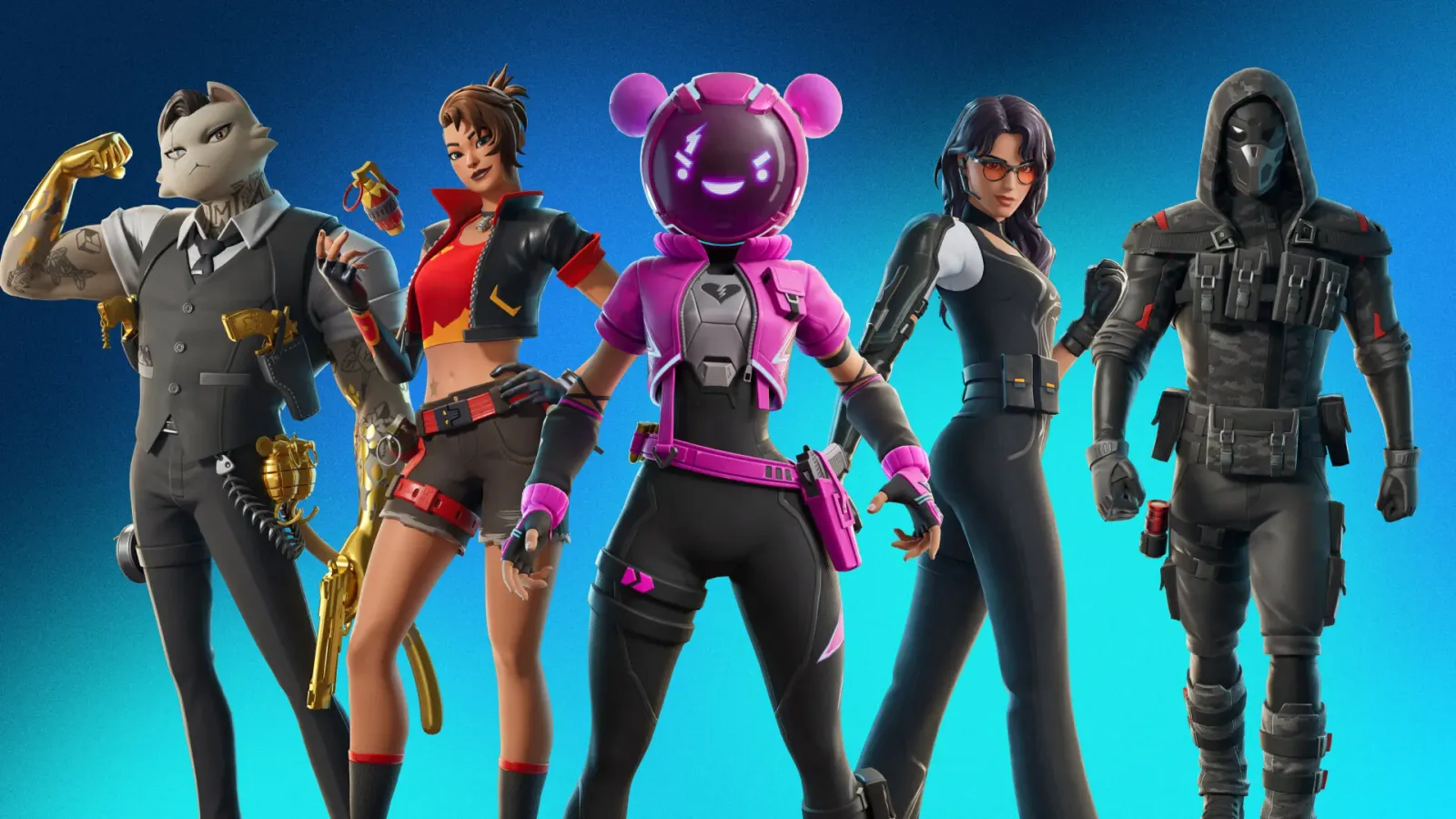
Epic Games says Unreal Engine 6 will enable developers to build games that can use players’ Fortnite skins and also create new skins that work with Fortnite. For decision-makers, this is a rare interoperability bet that could reshape user retention, creator economics, and platform leverage.
Epic Games is trying to make “interoperable metaverse” less of a futuristic slogan and more of a build instruction. With Unreal Engine 6, Epic plans to let developers create games that can use a player’s Fortnite skins, and it also plans to let developers build skins of their own that work with Fortnite.
Epic is calling this an “existence proof” because it is tackling the problem first with a system that is complex enough to demonstrate the idea and meaningful enough to create real player value. The core promise is straightforward: your Fortnite look does not have to stay trapped inside one game.
That matters because cosmetics are already one of gaming’s most persistent behavioral hooks. Skins tend to follow players across sessions, and they are often the item type most likely to carry identity, social signaling, and the “I am this character” feeling that keeps people coming back. If Unreal Engine 6 lowers the friction for other games to use Fortnite skins, then Epic is effectively creating a portable wardrobe. That can reduce the usual “new game, new identity” hump and increase the odds that players stick around longer across an ecosystem, not just within Fortnite.
Of course, the business model behind this is not charity. Platform interoperability can change who has leverage in the developer economy. Historically, games have handled cosmetics as fully enclosed assets: ownership, entitlement, and rendering are typically scoped to a specific title or platform ruleset. Epic’s move is different in direction. It is designing a way for external developers to integrate Fortnite skins into their own experiences while still routing value back through the Fortnite ecosystem.
Epic’s timing is also notable. Unreal Engine 6 is Epic’s next major step in its game development engine, and engines are where ecosystems either compound or fracture. Developers choose engines for tooling, performance, and workflow. But they also choose engines for the “what will my game connect to” future. By baking cross-title skin usage into the engine layer, Epic is trying to make interoperability feel inevitable rather than experimental.
There is also a governance and compliance angle, even if Epic has not framed it as such in the source excerpt. Entitlements, ownership, and access are always where the hard rules hide. Interoperability means that systems must agree on identity, authorization, and how items are validated. In consumer-facing terms, that translates into fewer headaches for players and less room for disputes. In regulatory terms, it intersects with how companies manage digital property, account systems, and platform risk. Even when the headline is “skins,” the underlying operational requirement is “trust the entitlement.” That is the sort of foundation that becomes more valuable the more titles depend on it.
Second-order incentives flow both ways. For developers building other games, Fortnite skin support can be a marketing accelerator. If players can bring existing cosmetics into a new world, onboarding gets easier, and retention signals can improve. For developers building skins that work with Fortnite, the opportunity is broader distribution. Instead of designing a cosmetic that only exists in one game, creators can aim for compatibility with Fortnite. That can enlarge demand for creators and increase competition for attention within Fortnite’s catalog.
But the strategic stakes are bigger than any single feature. Epic has been touting an interoperable metaverse for years, and the source is clear that this vision has not yet become real. Unreal Engine 6 is positioned as a step toward that future by proving out a system that is complex enough to matter and player-centered enough to deliver immediate value. If Epic pulls this off, it sets a reference point. Other platform owners and engine competitors will have to decide whether to build similar interoperability into their stacks, partner with Epic, or risk being seen as more closed.
For boards and exec teams, the key question is not whether “metaverse” becomes a universal term. It is whether the industry’s next retention playbook shifts from walled gardens to portable identity. Epic’s move suggests that the next platform advantage might be how well a user’s purchased and earned digital goods can travel across experiences without losing meaning.
This story's Key Insights and Take-aways are locked.
Create a free account to unlock Executive Actions for one credit.
Register to UnlockAlways free for Executives Club members. Join the Club
More in Technology

Nvidia's $89B data center quarter: the 9 companies cashing in
The AI buildout is minting fortunes beyond GPUs, and memory, cloud, and cooling suppliers are riding the same wave.
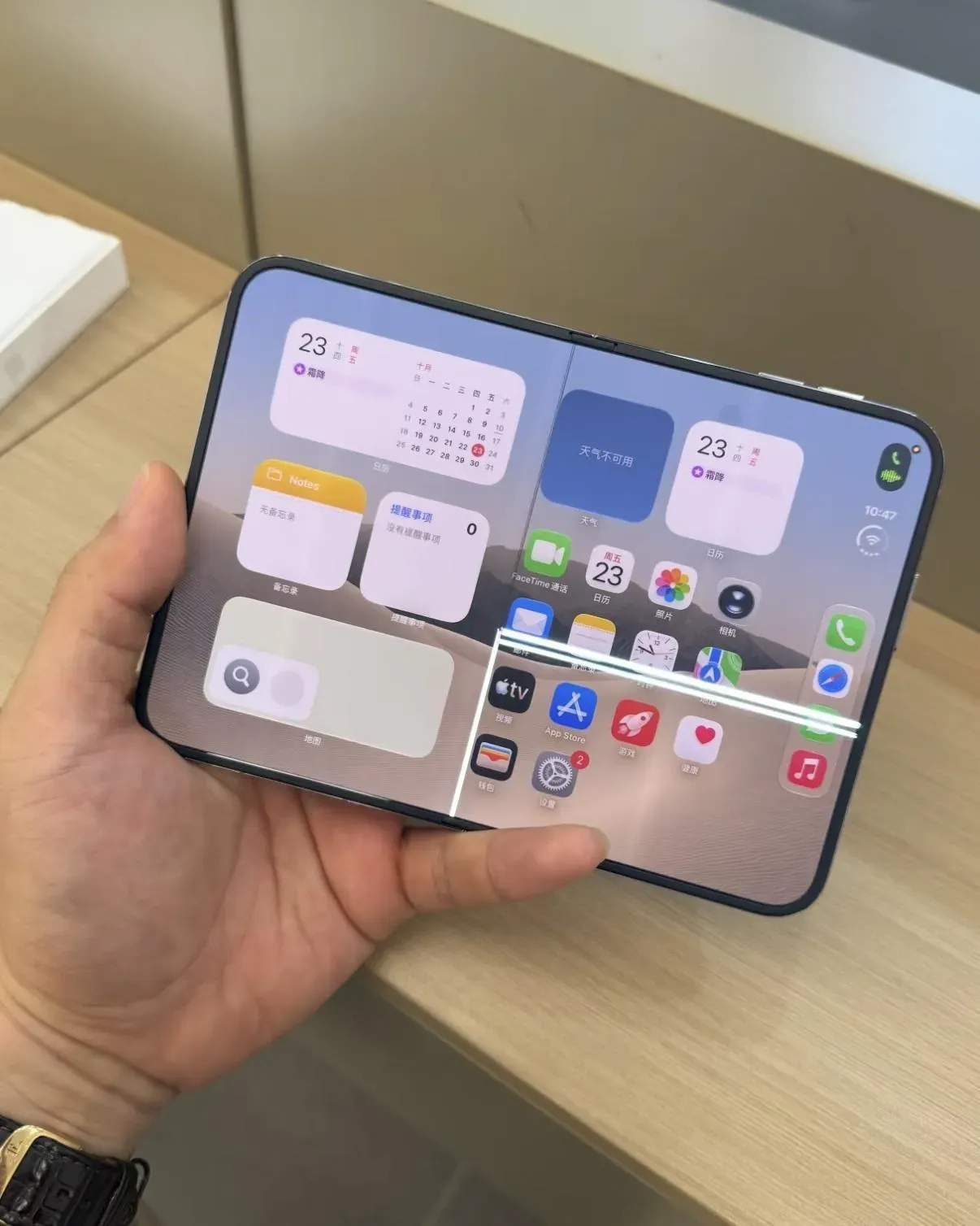
A YouTuber dissected the iPhone Duo and thinks he found crackgate's cause
CuriousHagi's teardown of Apple's foldable reveals a gear-like hinge that may explain why screens crack in the same spot within hours.

Google quietly links your phone number to every Android account on your SIM
Adding a SIM now ties your phone number to all Google accounts - and future accounts inherit it. Here's the security and privacy stakes.