

EU antitrust clears Paramount-WBD merger despite U.S. states lining up a challenge
What the European OK changes for Paramount and Warner Bros. Discovery while U.S. regulators fight over the same deal.
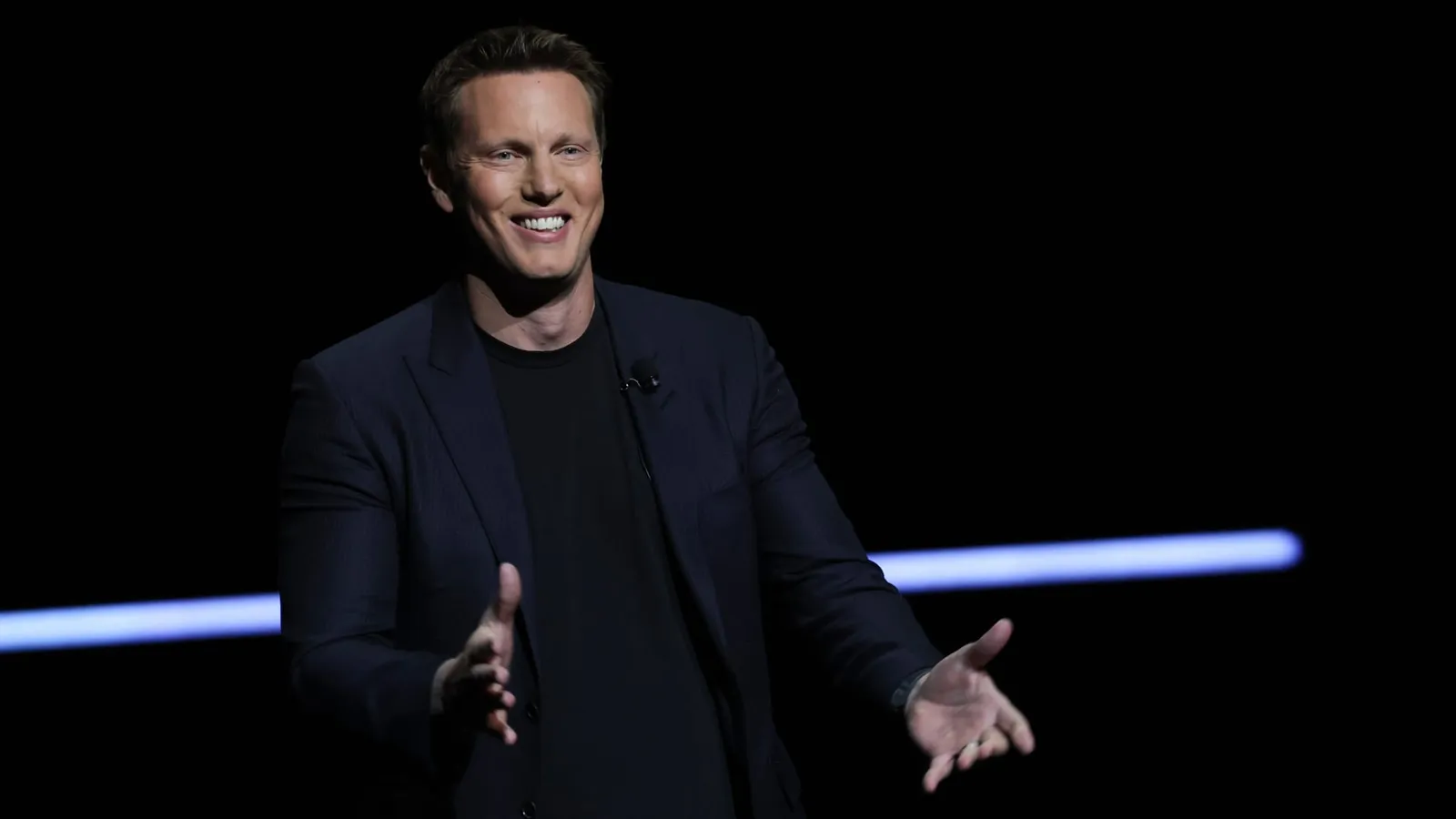
European antitrust regulators cleared Paramount's proposed acquisition of Warner Bros. Discovery. That approval matters because it locks in one major regulatory pathway even as U.S. states prepare their own challenge.
European antitrust regulators have signed off on Paramount’s proposed acquisition of Warner Bros. Discovery. In other words: one of the biggest hurdles in the deal process has been cleared, even though the merger still faces headwinds elsewhere, including a challenge coming from U.S. states.
For executives and boards, this is the kind of regulatory update that looks small on a headline but moves real timelines. “Cleared” means the EU competition review phase has concluded without blocking the transaction, which can reduce uncertainty for financing, integration planning, and deal execution. It also changes the negotiation posture inside the corporate story: Paramount and Warner Bros. Discovery now have at least one major regulator telling them the combined structure is acceptable under EU competition standards.
To understand why this is consequential, zoom out to how media consolidation is treated by antitrust authorities. These mergers are not just about corporate ownership. They can reshape bargaining power across distribution (cable and streaming bundles), advertising demand, and the leverage studios have when negotiating content access and pricing. Regulators typically look for whether combining assets would allow the merged company to reduce competition, raise costs, or limit consumer choice. A clearance in Europe suggests that, at least under the EU’s lens, the merger did not trigger a blocking concern that would stop it.
But the headline tension here is multi-jurisdictional. The EU approval does not automatically resolve the U.S. question, and the source flags that the deal is “as it faces challenge by U.S. states.” That means the process can still unfold like a relay race: one leg completed, but another leg still running. Deals like this often depend on how regulators weigh local market impacts and whether they believe competition could be harmed in specific segments, such as markets for content, distribution, or advertising.
There is also a strategic corporate reality underneath the legal one. When regulators clear a deal in one region, it can influence how the companies manage expectations with investors and partners. It can also make internal planning easier. Leadership teams can justify spending on operational integration, systems alignment, and commercial coordination because at least one critical gate has opened. That matters because time is money in media. Streaming rights, ad cycles, production schedules, and platform relationships do not pause while antitrust reviews happen.
At the same time, boards have to treat EU clearance as progress, not a final verdict. A merger completion is usually a chain of approvals, conditions, and procedural steps. If U.S. states are actively challenging the transaction, the board and executive team still need to plan for the possibility of delays, remedies, or a different outcome in the U.S. That can include demands that change how the combined company operates, or that address competitive concerns in specific areas.
Second-order, this update can ripple through the broader media and entertainment industry. If Paramount-Warner Bros. Discovery can secure an EU clearance while still facing U.S. scrutiny, it sends a signal to other dealmakers about how different competition authorities may frame the same transaction. For peers considering partnerships, acquisitions, or consolidation plays, it underscores a hard truth: antitrust risk is not uniform across regions. The regulatory “go” in one jurisdiction can coexist with “pause” in another.
Ultimately, the strategic stakes for decision-makers are simple: every month of uncertainty can affect valuation, negotiating dynamics with distributors and platforms, and the leverage of the parties as they execute long-term content strategies. EU antitrust clearance gives Paramount and Warner Bros. Discovery a stronger foundation to move forward, but the U.S. challenge means the merger story is still not fully written. For any executive tracking media consolidation, this is a live example of how corporate futures can hinge on regulators, not just board decks.
This story's Key Insights and Take-aways are locked.
Create a free account to unlock Executive Actions for one credit.
Register to UnlockAlways free for Executives Club members. Join the Club
More in Business

Anthropic’s Levant Alpöge cracks the Jacobian conjecture after 87 years
A Harvard valedictorian used Claude to hit a 1939 breakthrough, but the missing “why” is the real problem.

Uber buys Delivery Hero for nearly $15B, vaulting to top food delivery outside China
The deal doubles Uber's dual-services footprint and pushes a ride-and-eats bundling play into 50 more markets.

Epic and Google drop settlement bid, forcing rival Android app stores by July 22
Google told the court it is ready to carry third-party app stores starting Wednesday, July 22.