
EV batteries are outlasting predictions, flipping expectations for regulators and investors
Modern EV packs are not just holding up. They are performing better than early estimates, with real policy and capital implications.
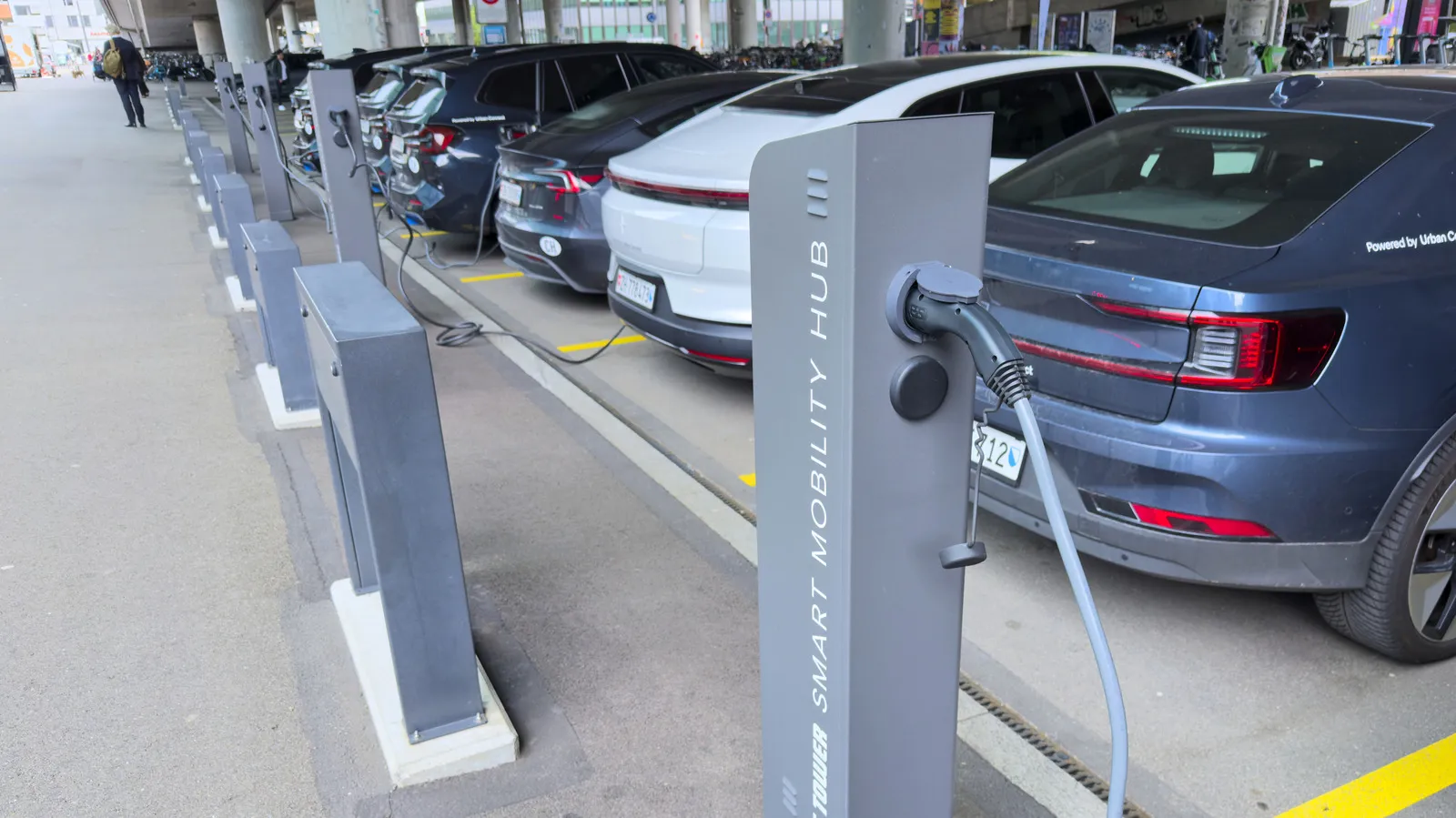
Engadget reports that modern EV batteries are lasting longer than experts first predicted, showing stronger real-world performance than expected. For decision-makers, that means planning assumptions for warranties, fleet economics, and battery policy may be due for an update.
Modern EV batteries are not just holding up. They are outperforming what experts first predicted. That is the core reversal in Engadget's report, and it matters because battery life is the quiet foundation underneath almost every EV business case, from consumer trust to manufacturer margins to government targets.
If you built your model even a few years ago, you probably anchored on early expectations for how quickly battery performance would degrade. Engadget’s point is simple: the real world is showing batteries last much longer than experts initially thought. In practice, that shifts the range of outcomes for residual value, warranty exposure, and long-term cost per mile. It also changes the “proof timeline” executives use to decide whether more capital should go into new pack designs, new chemistries, or faster scaling.
To understand why this is more than a feel-good datapoint, look at what battery life controls. Battery packs are expensive, and the way a battery ages determines whether an EV is still desirable after years of use. But it also affects downstream financial mechanics. Automakers and finance partners often underwrite EVs assuming certain degradation patterns, because that influences resale estimates and risk. If the degradation curve is gentler than expected, the economics can improve even if nothing else changes. That improvement can show up as stronger residual values, lower real-world service costs, and fewer surprises in how long packs remain within acceptable performance thresholds.
Then there is regulation and compliance. EV policy is typically built around emissions reductions over the lifetime of vehicles. Regulators and agencies do not only care whether a car sells; they care whether the car stays on the road and keeps delivering efficiency and reduced emissions relative to internal combustion alternatives. Battery durability affects that lifecycle story. Longer-lasting packs mean more vehicles deliver their intended benefits for longer. It also influences how policymakers think about charging infrastructure build-outs versus vehicle rollouts, because utilization and fleet planning become more stable when vehicle longevity is clearer.
For boards and capital allocators, durability also changes the internal conversation. Battery supply chains are a strategic chessboard: mining, cell production, pack assembly, recycling, and logistics all carry long-cycle capital requirements. If batteries last longer, it can reduce turnover pressure in the market, affecting demand timing for new replacements and, indirectly, how aggressively companies forecast future volumes. That is not automatically bullish or bearish for everyone. The key is that the demand profile gets smoother when batteries do not drop in performance as quickly as feared.
There is also a signaling effect across the ecosystem. When real-world battery performance exceeds earlier predictions, it tends to validate the direction of R&D and manufacturing process improvements. That can de-risk certain engineering investments, like thermal management refinements and pack-level controls, because durability becomes a measurable outcome rather than a hope. On the other hand, better-than-expected longevity can raise the bar for competitors and suppliers. If one company’s packs demonstrate that they are outperforming the “expected” baseline, the market may start to treat that baseline as outdated.
Second-order implications show up in how executives think about warranties, service strategies, and customer experience. Even without naming specific figures, the direction is clear: if batteries last much longer, the operational burden tied to premature degradation likely decreases. That can free up resources for other priorities, like software features, charging partnerships, or next-generation vehicles. It can also improve customer satisfaction, because “battery anxiety” is often about uncertainty over time, not just headline range today.
For peers in similar roles, the strategic stakes are straightforward: if modern EV batteries are outperforming earlier life predictions, then planning assumptions across warranty reserves, fleet modeling, and long-term product roadmaps may need a recalibration. The companies that update quickly can align capital allocation with reality, avoid overpricing risk, and adjust policy narratives based on the better evidence. The companies that stick to older expectations may find themselves defending assumptions that are no longer matching what is happening on the road.
This story's Key Insights and Take-aways are locked.
Create a free account to unlock Executive Actions for one credit.
Register to UnlockAlways free for Executives Club members. Join the Club
More in Technology

doubleAI's Maxwell rewrites code while it runs, claims 38x speedups
The Tel Aviv startup's code execution model formally verifies optimizations, turning AI into an agent for the hardware itself.
Saudi military official paid to fly OpenAI bugging suspect's family out, prosecutors say
A court filing says a Saudi military official funded the family's exit and Riyadh offered bail, putting foreign-influence risk squarely on AI boards.

AI researcher's 26,000-word claim: Neural nets aren't tangled after all
Nick Cammarata's Goodfire post has the AI world split - if he's right, monitoring frontier models just got a lot easier.