
Evo 2026 unveiled Marvel Tokon, Avatar Legends, Tekken 8, and Rivals of Aether 2
In Las Vegas, Evo doubled as a fighting game showcase, with major announcements that can reshape dev roadmaps and tournament hype.
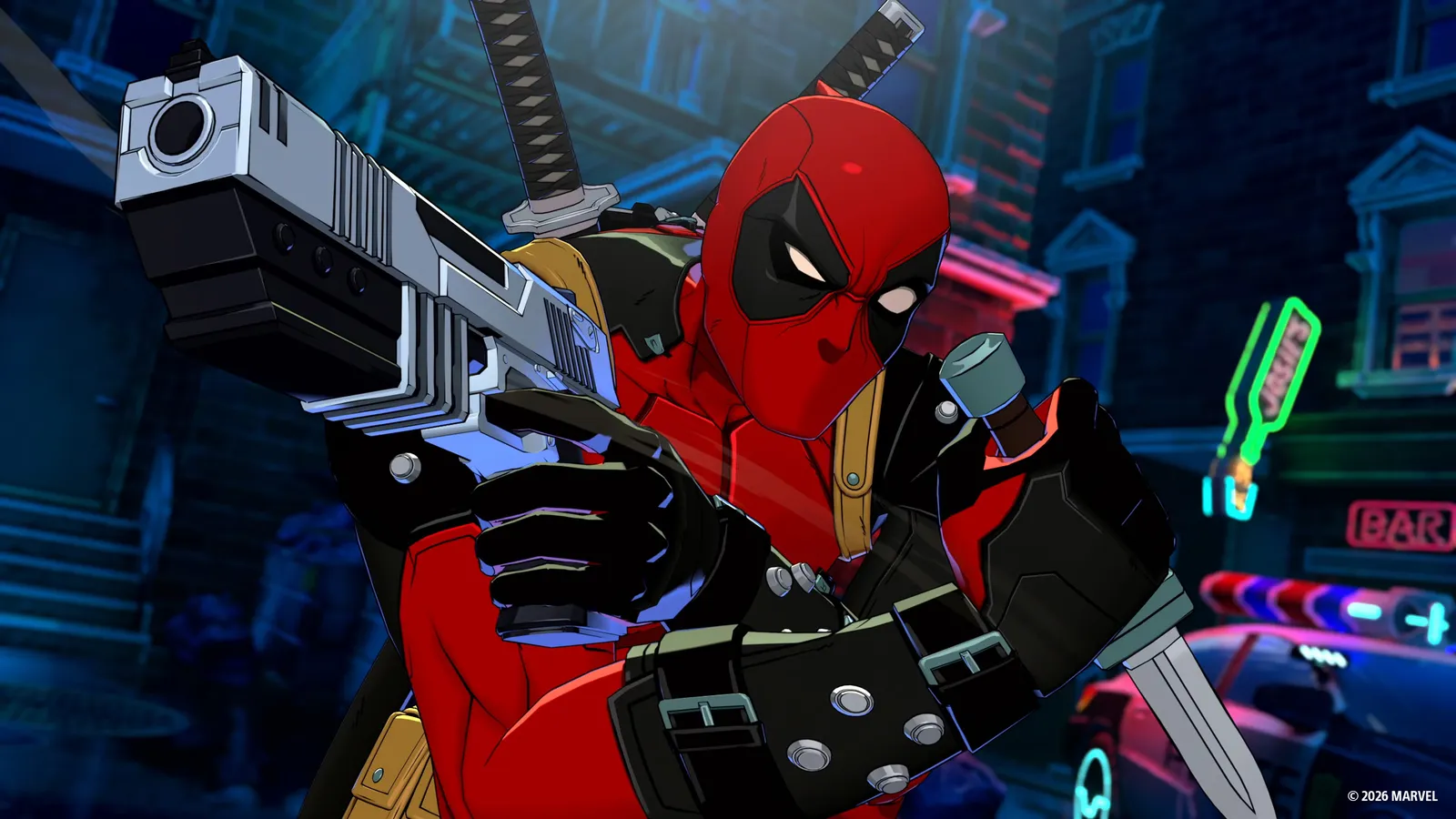
Evo 2026 took place in Las Vegas and, alongside tournaments for Street Fighter 6 and Tekken 8, served as a launchpad for new reveals including Rivals of Aether 2, Avatar Legends: The Fighting Game, Tekken 8, and Marvel Tokon: Fighting Souls. For decision-makers, the question is less who announced what and more how these new entries shift audience attention, production priorities, and competitive ecosystems.
Evo 2026 happened in Las Vegas this weekend, and it did not just run tournaments for the usual heavy hitters like Street Fighter 6 and Tekken 8. It also functioned like a fighting game version of a mini Summer Game Fest, with a stream of announcements that signal where publishers want eyes, players, and tournament organizers to look next.
The reveals were not subtle either. Evo 2026’s spotlight included Rivals of Aether 2, Avatar Legends: The Fighting Game, Tekken 8, and Marvel Tokon: Fighting Souls. That lineup matters because Evo is not merely a weekend event for fans. It is an engine for momentum. When big names surface in this environment, they gain something many marketing budgets cannot buy: real-time validation from the people who show up, learn the mechanics, and help turn a game into an esports staple.
To understand why executives should care, you have to zoom out on how fighting game ecosystems work. These games live in cycles. A new entry is not just a product drop; it is a commitment to a long arc that includes balance changes, patch cadence, community tournaments, streaming visibility, and sponsor interest. Evo, by design, compresses that arc into a concentrated moment. In other words, announcements here are like planting flags in a crowded territory. If players treat the new title as “the next thing,” developers can ride that attention through updates and events. If players treat it as noise, the cost of being wrong gets paid later.
Evo also changes how audiences allocate their limited time. Fighting game fans often juggle multiple titles. If Evo puts Rivals of Aether 2 and Avatar Legends: The Fighting Game next to established tournament pillars like Tekken 8, the audience has to decide where to invest practice hours and where to place their stream follow. That decision ripples outward. Tournament organizers plan brackets, commentators build segment themes, and sponsor partners look for crowd energy. A game that lands a strong Evo reveal can end up with a faster path to “habit formation,” which is the real currency in competitive scenes.
There is also a business subtext to why major announcements are timed for Evo every year. The source notes that Evo “continually serves as a Summer Game Fest of sorts for fighting game announcements each year,” and that Evo 2026 “proved to be no different.” That pattern is a strategic incentive for publishers and developers: if the platform reliably concentrates the right demographic, then showing up is more efficient than scattering messaging across smaller channels. For executives, this is about concentration risk and attention economics. You want your biggest reveals in the same room as the players who will care enough to spread the word.
Another angle is product and roadmap signaling. The lineup in Evo 2026 includes both franchise-forward entries and more expansionary bets. Even without getting into specifics beyond what was announced, the mere fact that these titles were singled out at a single event suggests publishers are aligning on launch timing and visibility objectives. In competitive genres, visibility can be as important as raw gameplay ambition because it influences who builds communities first. Early community gravitational pull can affect everything from local tournament participation to online matchmaking health, and those factors then influence long-term retention.
For board-level decision-makers and senior leadership, the second-order question is how these announcements could reshape competitive positioning. Evo’s focus “mostly” covered tournaments for Street Fighter 6 and Tekken 8, but it still made room for fresh contenders. That is the tell. The market is not standing still, and the pecking order can shift when a new title gets its first big stage. If you are a publisher watching this, the strategic stakes are clear: the next generation of fighting game “default games” can emerge faster than anyone expects, and those who do not show up for the attention waves can find themselves playing catch-up.
At the same time, executives should treat these reveals as more than headlines. Evo is a real-world testbed for whether a game can capture sustained interest beyond the announcement moment. If the community responds, it can accelerate learning curves, increase tournament participation, and strengthen streaming and sponsorship demand. If it does not, it becomes a costly misallocation of attention. That is why the Evo 2026 reveal lineup, from Rivals of Aether 2 to Marvel Tokon: Fighting Souls, matters to anyone tracking how competitive entertainment ecosystems form, compete, and evolve.
This story's Key Insights and Take-aways are locked.
Create a free account to unlock Executive Actions for one credit.
Register to UnlockAlways free for Executives Club members. Join the Club
More in Entertainment

Russell Brand's accuser 'bewildered and confused' as he denies 7 sex charges
The criminal case against the comedian is a live test of how media companies manage talent risk when serious allegations go public.

'It's a Magic Trick': Ballet Experts Say Rosalía's SNL Pose Is Impossible
Three ballet experts tell Rolling Stone Rosalía's gravity-defying SNL stillness shouldn't be possible - and why the debate is now part of the show.

Activision CMO: GTA 6 Will Boost Call of Duty, Not Bury It
Activision's top marketer says Rockstar's blockbuster will drive players back to consoles and into Modern Warfare 4, even as the company admits its recent strategy failed.