

Executives and Harvard professors are building A.I. twins to attend meetings
The “talk to my A.I. twin” productivity hack is moving from demos to daily workflows, with new governance questions.
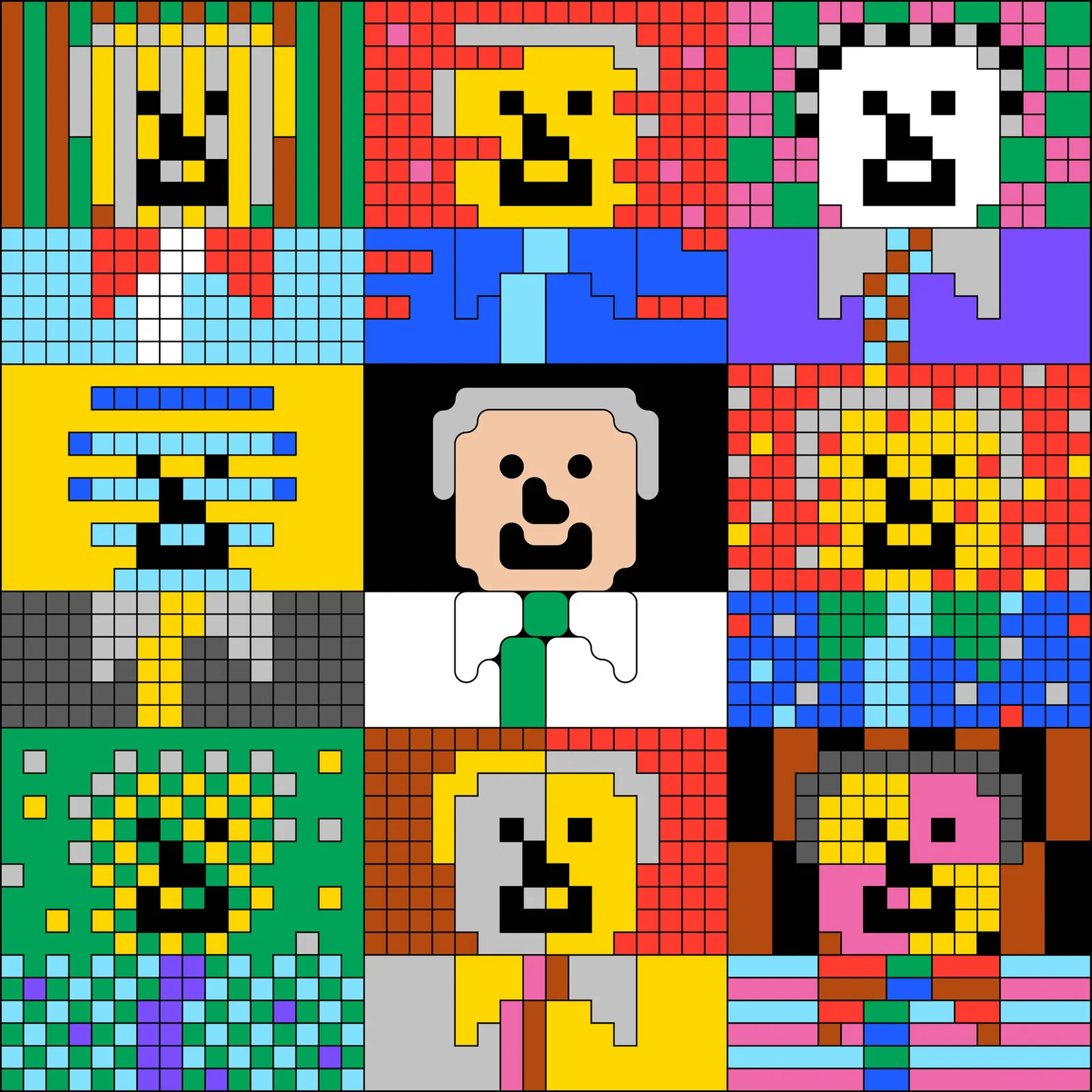
CEOs and Harvard professors are creating A.I.-powered doubles that can answer questions and attend meetings. For decision-makers, the shift raises speed, accountability, and control questions just as these tools become normal.
CEOs and Harvard professors are building A.I.-powered doubles that can answer questions and even “attend” meetings. In other words, instead of waiting for the calendar, they are creating a kind of always-on proxy that can field the routine thinking, recap the context, and keep discussions moving.
The most telling part is how practical the setup sounds: these are not just chatbots for entertainment. They are being used as a productivity layer for busy people, with an “I can talk to my A.I. twin” workflow meant to reduce friction when decisions are time-sensitive and questions are constant. If you are a CEO or a professor, the promise is obvious: fewer delays, less back-and-forth, and more of your human attention reserved for the moments that actually require your judgment.
To understand why this is landing now, it helps to remember how work actually flows at the top. Senior executives do not just manage tasks. They manage inputs, decisions, and dependencies. That means their day is made of interrupts: a board member asks for clarity on a prior vote, a product leader needs an executive readout, legal wants a quick risk framing, and a meeting agenda grows while everyone is still in the meeting. An A.I. twin, if it is grounded in the right context, can act like a fast interpreter between all those streams.
Harvard professors joining this trend also signals that the tool is not restricted to corporate life. In academia, researchers and teachers are similarly overloaded with questions, drafts, and iterative feedback. The idea of a digital double that can answer questions and participate in meetings maps cleanly to academic work: office hours at scale, faster literature explanations, and consistent responses to common inquiries. Whether the twin is used to speed up teaching, research coordination, or administrative communication, the core value is the same. It compresses time.
But speed is where governance starts to matter. When an A.I. twin can respond quickly, it can also shape what information reaches decision-makers. Boards, executives, and senior teams then face a new operational question: what is the twin allowed to do, and what must it never do? For example, answering questions is one thing. Representing a position, making a commitment, or implying endorsement is another. Even if the underlying technology is impressive, decision-making still has to remain auditable, especially when executives are accountable to boards, regulators, investors, and employees.
Regulatory background is already pushing the conversation in this direction, even if the specific article is focused on the adoption angle rather than new laws. Across jurisdictions, regulators have been scrutinizing how AI systems are used, especially when outputs can affect people, create compliance risk, or generate misleading results. For a CEO or CFO, the practical takeaway is that these A.I. twins should be treated like systems that need controls. Not because the technology is inherently malicious, but because errors, missing context, or ambiguous outputs can propagate faster when they are integrated into meetings and executive workflows.
There is also a second-order dynamic inside organizations. If an executive’s A.I. twin answers questions, colleagues will begin to calibrate their behavior around it. That can reduce executive bottlenecks, but it can also shift where “authority” feels to reside. The organization may start routing questions to the twin first, then to the human only when the twin cannot answer. That sounds efficient, but boards and executive teams will want to ensure that delegation does not become abdication. The twin should speed up preparation, not replace accountability.
For peers, the strategic stakes are straightforward. If A.I. twins become a normal part of how executives work, the teams that figure out how to integrate them responsibly and effectively will move faster. Meanwhile, teams that treat the tools as toys or plug them in without clear guardrails could face internal confusion, reputational risk, and governance headaches. CEOs and board members do not just need to know that A.I. twins exist. They need to decide what “talk to my A.I. twin” means in practice, who validates what the twin says, and how the organization maintains control while gaining speed.
This story's Key Insights and Take-aways are locked.
Create a free account to unlock Executive Actions for one credit.
Register to UnlockAlways free for Executives Club members. Join the Club
More in Business

Anthropic’s Levant Alpöge cracks the Jacobian conjecture after 87 years
A Harvard valedictorian used Claude to hit a 1939 breakthrough, but the missing “why” is the real problem.

Uber buys Delivery Hero for nearly $15B, vaulting to top food delivery outside China
The deal doubles Uber's dual-services footprint and pushes a ride-and-eats bundling play into 50 more markets.

Epic and Google drop settlement bid, forcing rival Android app stores by July 22
Google told the court it is ready to carry third-party app stores starting Wednesday, July 22.