
ExxonMobil's $14.5B quarter: The real winners and losers of the Iran war
Six months into the US-Israel war on Iran, energy giants and banks are cashing in while airlines and food security suffer - here's the economic scorecard.

ExxonMobil reported a $14.5 billion second-quarter profit, its best in four years, as the war on Iran sent oil prices soaring. For decision-makers, the conflict has created clear winners in energy and banking while airlines and vulnerable food importers face mounting losses.
ExxonMobil, the largest US oil company, posted a $14.5 billion profit in the second quarter of this year - its best quarterly earnings in four years. That windfall is the most visible sign of how the US-Israel war on Iran, now six months old, has reshaped the global economy into clear winners and losers. The closure of the Strait of Hormuz, alongside Iranian strikes on Gulf energy infrastructure, has sent oil prices soaring, and the biggest producers are cashing in while other sectors bleed.
Chevron, the second-largest US producer, followed with a $12 billion profit for the same period, its highest in six years. France's TotalEnergies raked in $6 billion, up from $3.6 billion a year earlier, while British giants Shell and BP both more than doubled their earnings year-on-year, posting quarterly profits of $9.8 billion and $5.73 billion respectively. "European energy companies did even better than their US peers as they trade oil, and the latter also helped boosting their revenues," Ipek Ozkardeskaya, senior analyst at Swissquote Bank, told Al Jazeera. "Supply shortages sure remain a risk for business, but energy is essential, and the companies are capable of raising prices to cover the revenue loss and make profit out of it." Saudi Aramco netted $33.4 billion in its most recent quarter, a one-third increase from 2025. But not all regional producers benefited equally: Abu Dhabi National Oil Company (ADNOC) reported a 52 percent drop in second-quarter profit to $665 million from $1.39 billion a year earlier, blaming the Strait of Hormuz closure for the sales hit, though it still beat its expected range of $400 million to $600 million.
The war's stock market volatility has been a boon for financial institutions. Each of the "Big Four" US banks - JPMorgan, Bank of America, Citigroup and Wells Fargo - reported double-digit profit increases in the second quarter, netting a combined $42.5 billion. UK lender HSBC's net profit jumped 60 percent to $10.1 billion, while France's Societe Generale saw earnings rise 23 percent to $2.04 billion. Investors have been trading heavily to profit from wild swings or shifting into safer assets like bonds, driving a surge in activity that has padded bank bottom lines.
The aviation industry has been hit hardest in the Middle East, where Iranian missile and drone attacks forced the cancellation or diversion of tens of thousands of flights in the early months of the conflict. The International Air Transport Association estimates the region's airlines are collectively on track for a $4.3 billion loss, following a $7.2 billion profit in 2025. The disruption has rippled globally through higher fuel costs and rerouted flight paths, though the full impact on non-Middle East carriers remains to be quantified.
Higher fuel and fertiliser costs have pushed up food prices, putting the world's poor at greater risk of hunger. "The Gulf is important not only for oil and gas, but also for fertiliser and its feedstocks," Gerben Hieminga, an energy markets expert at ING Research, told Al Jazeera. "If farmers respond to high prices by applying less fertiliser, the economic impact can emerge months later through lower yields and higher food prices, with vulnerable importing countries in Africa and Asia facing the greatest risks." In July, the UN's Food and Agriculture Organization reported its food price index rose 0.6 percent to the highest level since January 2023, driven by drought and conflict. The World Food Programme estimates an additional 7.1 million people in Somalia, Afghanistan and Sri Lanka are already struggling to get sufficient food.
The defense industry is seeing surging demand, but stock performance is mixed. Northrop Grumman is down 25 percent since the conflict began, Boeing down 8 percent, while Lockheed Martin is up 14 percent, only slightly more than the broader US market. The Pentagon has sealed massive contracts, including a $22.9 billion deal with RTX for Tomahawk missiles and a $59 billion deal with Lockheed to triple Patriot interceptor production. The cost asymmetry is stark: each Patriot interceptor costs about $4 million to produce, while the Iranian Shahed drones they intercept cost just $20,000 to $50,000 each. "Demand has increased for air and missile defence, interceptor missiles, counter-drone technologies, surveillance and intelligence systems, satellites, propulsion, warheads, and munitions replenishment," Rami Sarafa, CEO of Cordoba Advisory Partners, told Al Jazeera. "The conflict has highlighted the importance of affordable drone interceptors, layered missile defence, persistent ISR and the ability to manufacture large quantities of expendable munitions quickly. This is a lesson that the US and Israel are learning the hard way."
US Defense Secretary Pete Hegseth estimated the war's cost at $37.5 billion as of late July, but Harvard's Linda Bilmes argues the true figure will likely reach $1 trillion once long-term costs like disability payments and repairs are included. UN Secretary-General Antonio Guterres warned that conflict has turned the world's food supply into "collateral damage," calling for an end to disruptions in the Strait of Hormuz and Bab al-Mandeb. For executives, the lesson is clear: geopolitical shocks create asymmetric winners and losers, and positioning matters more than ever. Energy and banking have been the clear beneficiaries, while airlines, food importers, and even some defense contractors face structural headwinds.
This story's Key Insights and Take-aways are locked.
Create a free account to unlock Executive Actions for one credit.
Register to UnlockAlways free for Executives Club members. Join the Club
More in Business

Death sentence for TV presenter Sarah Khalifa: Egypt's drug case hits media
The sentencing of Sarah Khalifa and 11 others underscores the severity of Egypt's anti-drug laws and the exposure of public figures to capital punishment.
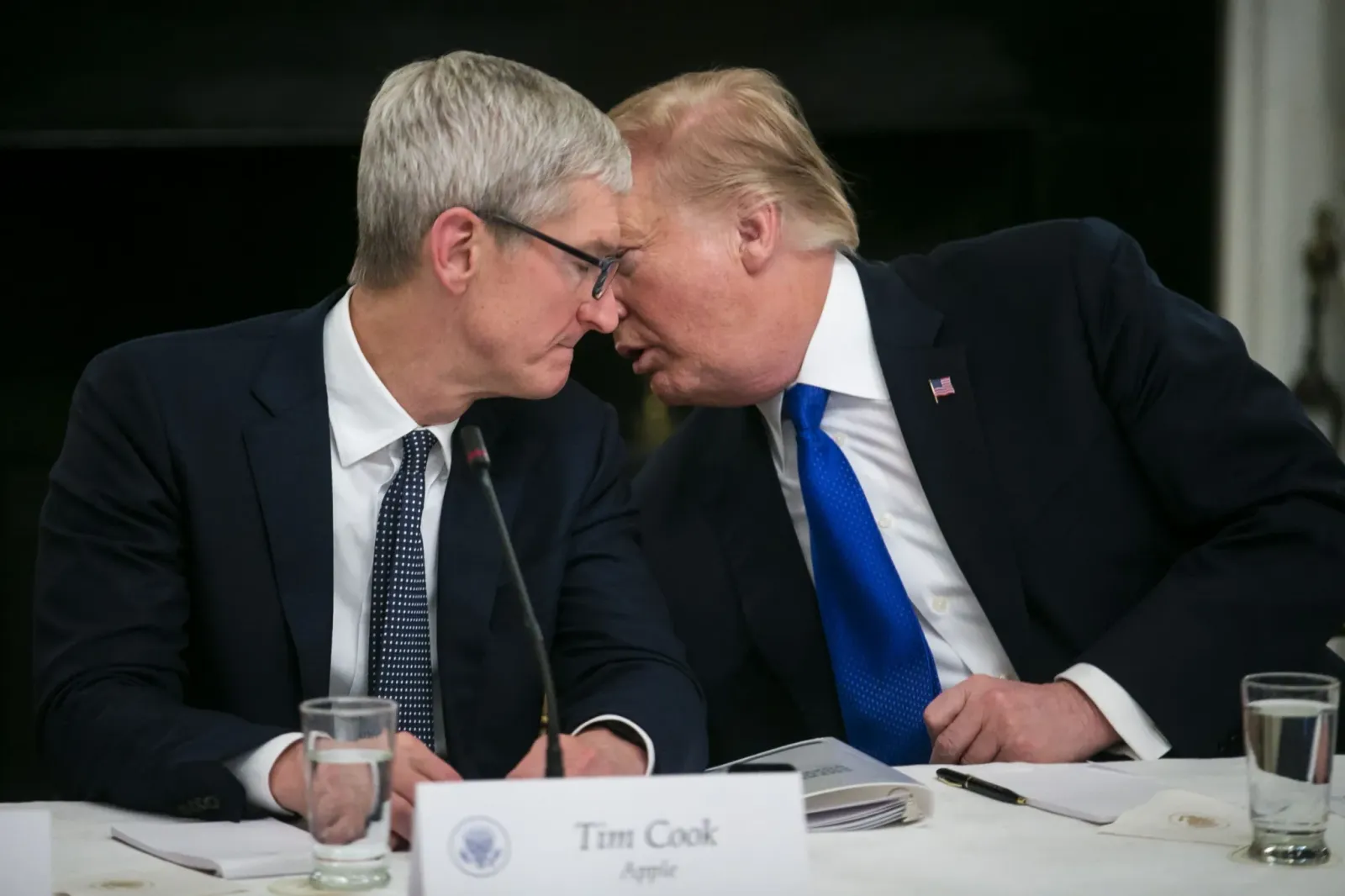
Tim Cook steps down as Apple CEO, stays on as chair with $45M equity
The 'Trump whisperer' keeps his White House and Beijing access as Apple navigates tariffs and a $4.6 trillion market cap.
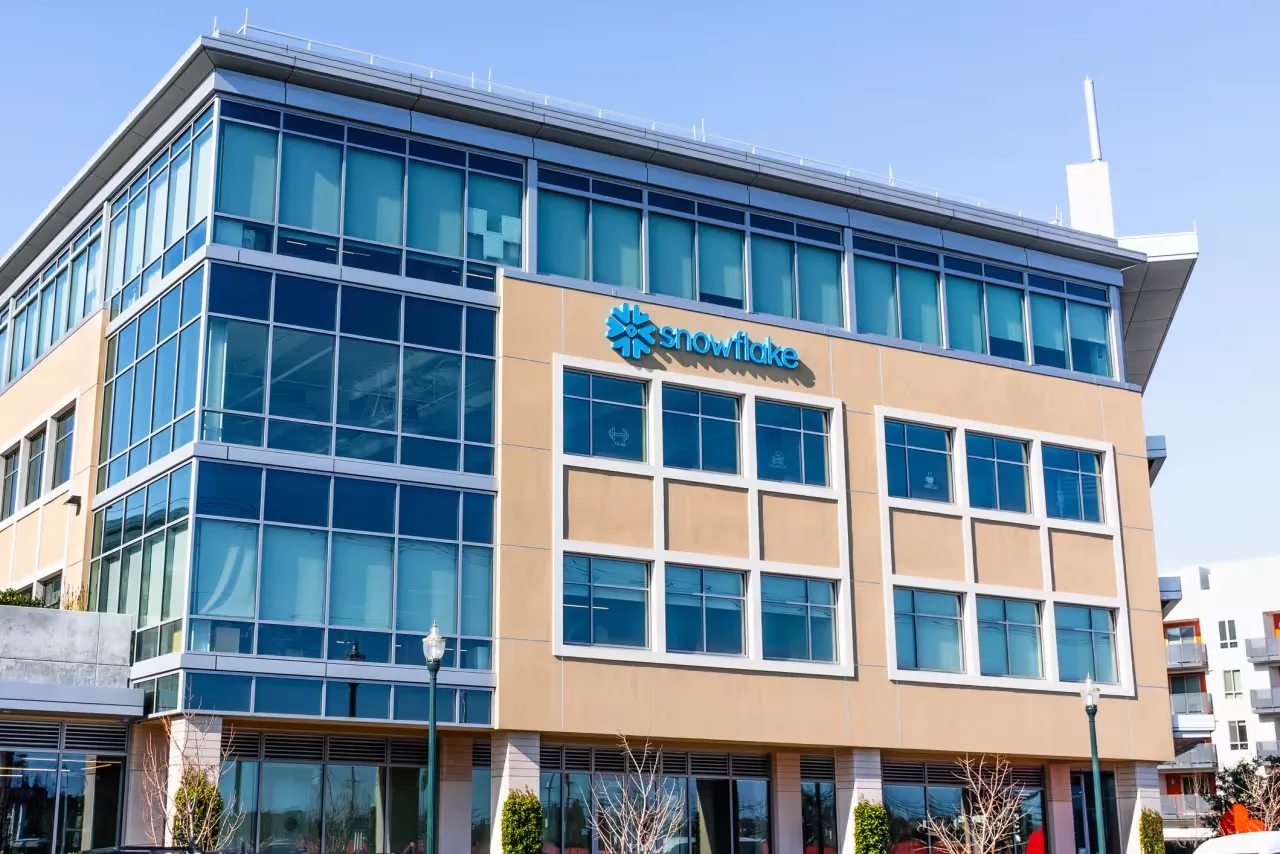
Snowflake shares surge as AI data demand crushes estimates, lifting full-year forecast
Stocks jumped on stronger-than-expected guidance, signaling enterprise AI workloads are accelerating faster than Wall Street priced in.