
FAA awards $875M 12-year AI contract to Air Space Intelligence for delay reduction
A major modernization bet: decision-makers should track what AI changes in air traffic ops, budgets, and vendor strategy.
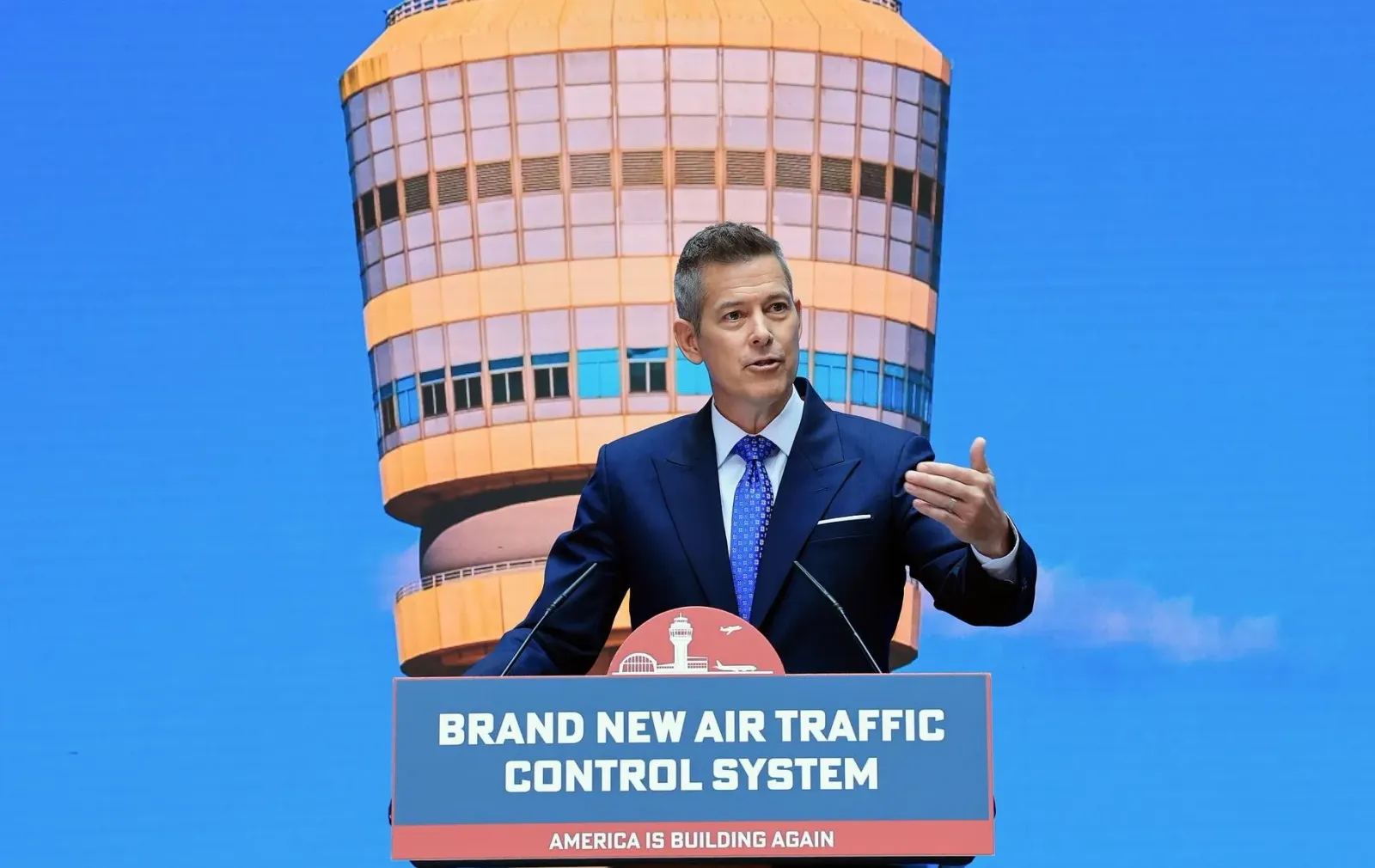
The FAA awarded Air Space Intelligence an $875 million, 12-year contract to modernize America’s air traffic system using artificial intelligence and predictive analytics. For decision-makers, it signals where large federal infrastructure dollars are heading and how quickly analytics vendors could become mission critical.
The FAA just put $875 million on the table for a 12-year modernization effort, awarding Air Space Intelligence a contract to use artificial intelligence and predictive analytics aimed at reducing flight delays. This is not a pilot-scale science fair. It is a long runway modernization bet, which means the FAA expects these tools to do real operational heavy lifting over time, not just generate flashy dashboards.
In plain English: the FAA is trying to predict where delays will form and intervene earlier, so aircraft and air traffic flow smoother through constrained airspace and busy schedules. The contract is designed around AI and predictive analytics, which typically means systems that look at patterns across time and conditions and then forecast outcomes like congestion or delay risk. The “delay” in the headline matters, because flight delays are one of the most visible ways the public experiences the cost of operational friction in the national airspace system.
To understand why this is a big deal, it helps to remember how air traffic works in the real world. Air traffic operations are a balancing act between safety, limited capacity, weather volatility, aircraft mix, staffing, and the ever-present reality of peak travel demand. When any part of that system gets out of sync, delays ripple outward. Traditional control and planning processes can handle complexity, but modern aviation has added more data sources and tighter expectations for on-time performance. That is where predictive analytics enter: they aim to turn past and near-real-time information into actionable forecasts.
Now consider what “modernize” signals inside a federal contract. The FAA is not just buying software. Over a 12-year timeline, modernization efforts usually involve integrating new analytic tools into operational workflows, aligning with existing systems, and ensuring reliability and performance under operational constraints. Even when the source only states the contract and the intended use, the structure of a long, high-value agreement implies a commitment to implementation at scale, with ongoing updates rather than a one-off deployment.
For executives, there is a second-order implication that is easy to miss if you only look at the headline number. Large federal commitments like an $875 million contract tend to reshape vendor ecosystems. They can shift procurement attention toward AI-capable providers and toward analytics approaches that can demonstrate operational value. If Air Space Intelligence executes on predictive analytics that meaningfully reduce delays, the FAA is effectively building a playbook for what future modernization investments might look like.
This also matters because the FAA is operating in a broader climate where regulators and public agencies are under pressure to modernize systems without compromising safety. AI is often discussed with hype, but in regulated environments the real question is operational trust: can predictions be integrated into decision processes, and can the system behave consistently when conditions change? A 12-year contract suggests the regulator believes it can get from experimentation to embedded capability, with performance and governance that satisfy aviation requirements.
And there is a competitive angle for boards and leadership teams. Air Space Intelligence is now tied to a mission outcome that is both measurable and politically visible: flight delays. That visibility affects partnerships, hiring, and product roadmaps, because vendors that win meaningful contracts with agencies may become default candidates for follow-on work. In other words, this contract is not just revenue. It is market signaling.
If you are a CEO, CFO, or board member watching the intersection of AI and regulated infrastructure, this is a clear data point. The FAA chose an AI and predictive analytics route and committed $875 million over 12 years to modernize America’s air traffic system with a delay-reduction goal. The strategic stakes are simple: whoever can turn predictive models into dependable operational decisions may become central to the next era of aviation performance.
This story's Key Insights and Take-aways are locked.
Create a free account to unlock Executive Actions for one credit.
Register to UnlockAlways free for Executives Club members. Join the Club
More in Business

A flaw in PHP just forced governments to pull their own sites offline
European agencies from Belgium to Germany took websites dark to patch a critical weakness in the language behind almost 70% of the web, and the blast radius extends far beyond government portals.

BioWare shuts down, Mass Effect 5 dead after $55B EA buyout
The legendary RPG studio's closure lands months after a $55 billion investment group buyout of EA, raising tough questions for gaming's biggest acquirers.

Musk weighs Tesla-SpaceX mega-merger as boards form review panels
Special committees at both companies will examine a tie-up that could fuse electric vehicles and space launch, forcing a fresh look at governance and valuation.