
Fallout Season 2 earns 9 Emmy nominations, but none are for its actors
Technical and performance categories landed, yet The Ghoul and the rest of the cast missed acting nods.
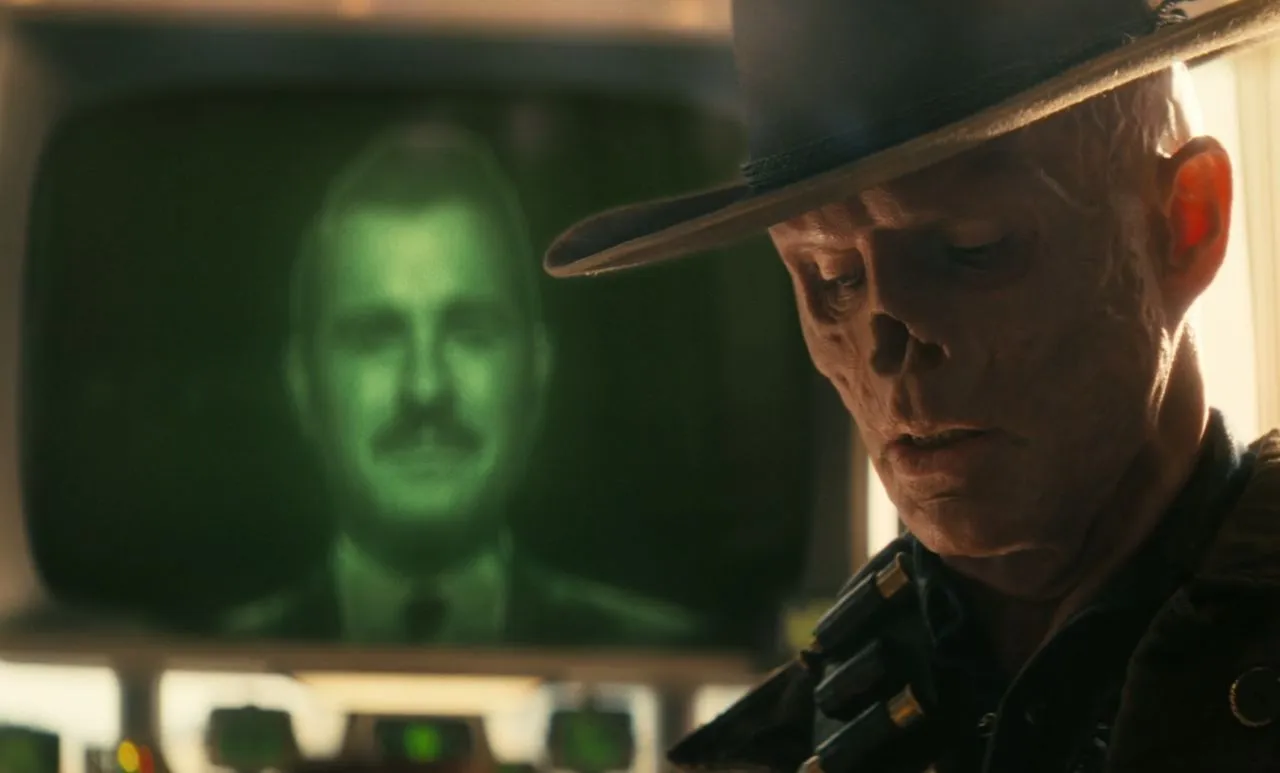
The Television Academy nominated Fallout Season 2 for nine Primetime Emmy Awards. Decision-makers in media and entertainment should note how awards recognition can skew hard toward craft over on-screen acting, reshaping how prestige signals are interpreted.
The Television Academy just announced this year's Primetime Emmy nominations, and Fallout Season 2 brought home a big headline number: nine nominations. The twist: not even one of those nominations is for acting. No Ella Purnell as Lucy. No Aaron Moten as Max. No Kyle MacLachlan as Hank. And yes, no Justin Theroux, even though his unhinged Robert House role is exactly the kind of character work award juries usually hunt for.
The most glaring miss is Walton Goggins as Cooper Howard, the actor fans and critics have latched onto. Goggins and The Ghoul did not receive a nomination this time. That absence is extra loud because the show is clearly winning on paper in other ways. Fallout Season 2 is up for two Outstanding Makeup categories (non-prosthetic and prosthetic) plus Outstanding Fantasy/Sci-Fi Costumes. In other words, the awards machine looked at the transformation work and said, “Yes.” It just did not turn that same “yes” toward the performers behind the makeup.
This is where the industry incentives get weird in a way that matters to executives, producers, and investors. Emmy nominations are not just trophies; they are reputational metadata. When a production is recognized heavily in stunts, makeup, hair, sound, and production design, it tells the market how voters weighted the show’s value. The message is effectively: Fallout Season 2’s biggest differentiator was the craft pipeline. It was the look, the technical execution, and the physical storytelling. The acting may have been strong, but it did not cross the specific voting line this year.
It also helps explain why people are talking about Goggins missing while other shows’ lead actors got in. For Outstanding Lead Actor in a drama, the nominations include Noah Wyle for The Pitt, Mark Ruffalo for Task, Gary Oldman for Slow Horses, Sterling K. Brown for Paradise, and Rufus Sewell for The Diplomat. Fallon fans can disagree about any single choice, but the structure matters: the Emmys are parsing “lead drama acting” as a distinct bucket, and Fallout Season 2 did not place its core performers into that bucket. That bucket logic is a big deal for anyone budgeting next season’s awards strategy, because the path to acting nominations can be fundamentally different from the path to technical wins.
Still, Fallout did not come up empty in the craft-heavy categories. The Television Academy nominations for Fallout Season 2 also include Outstanding Stunt Performance for the episode "The Profligate." The source notes that the writer is not sure which stunt was submitted, with a guess about a performer leaping through the air while wearing power armor at the end. Even without that specificity, the nomination signals that the show’s physical production and choreography stood out enough to clear Emmy thresholds. And beyond stunts, the show also picked up nods in sound editing, sound mixing, hairstyling, and production design. Those categories may sound “behind the scenes” to a casual viewer, but to commissioners and partners they are shorthand for capability: the production can execute at scale.
The same pattern shows up across the rest of the Emmy nominations landscape mentioned in the source. The article notes The Pitt got 25 nominations, Widow's Bay got 19, and Pluribus got 18. Fallout Season 2’s nine nominations put it in the conversation, even if it is not winning in the places that make headlines for actors. And the Emmys are, as ever, a split between audience-friendly prestige and the studio realities of who voters actually nominate. In Fallout’s case, the recognition tilts toward the show’s skin, sound, and spectacle, not its face.
Second-order implications follow fast. If you are a producer, this is a reminder that “overall quality” does not guarantee acting recognition. If you are an investor, it changes how you read prestige signals for future seasons: craft momentum can keep brand value rising even when performers do not convert that buzz into Emmy nominations. If you are in partnerships or distribution, craft wins can strengthen the case for international sales because they are easier to market as tangible production value. Acting wins, on the other hand, are often more directly tied to talent leverage, contract renegotiations, and personal brand building.
So where does this leave Fallout Season 3? The source frames it as a wait-and-see moment for Walton Goggins to finally win an Emmy next season. But the bigger executive takeaway is simpler than fandom: the Emmys can validate a show’s technical execution without validating its actors at the same time. For media leaders, that means you should track both tracks separately. Nine nominations for Fallout Season 2 shows the machine wants the spectacle. The missing acting nominations show what it did not feel compelled to reward this year. That distinction is worth understanding now, because it can shape how talent strategy, awards campaigning, and even creative priorities get set before the next submission cycle.
This story's Key Insights and Take-aways are locked.
Create a free account to unlock Executive Actions for one credit.
Register to UnlockAlways free for Executives Club members. Join the Club
More in Entertainment

Russell Brand's accuser 'bewildered and confused' as he denies 7 sex charges
The criminal case against the comedian is a live test of how media companies manage talent risk when serious allegations go public.

'It's a Magic Trick': Ballet Experts Say Rosalía's SNL Pose Is Impossible
Three ballet experts tell Rolling Stone Rosalía's gravity-defying SNL stillness shouldn't be possible - and why the debate is now part of the show.

Activision CMO: GTA 6 Will Boost Call of Duty, Not Bury It
Activision's top marketer says Rockstar's blockbuster will drive players back to consoles and into Modern Warfare 4, even as the company admits its recent strategy failed.