
Fast Retailing's Uniqlo operator adds tighter supplier human-rights monitoring
The move raises compliance pressure across Uniqlo’s supply chain, with board-level risk and reputational stakes.
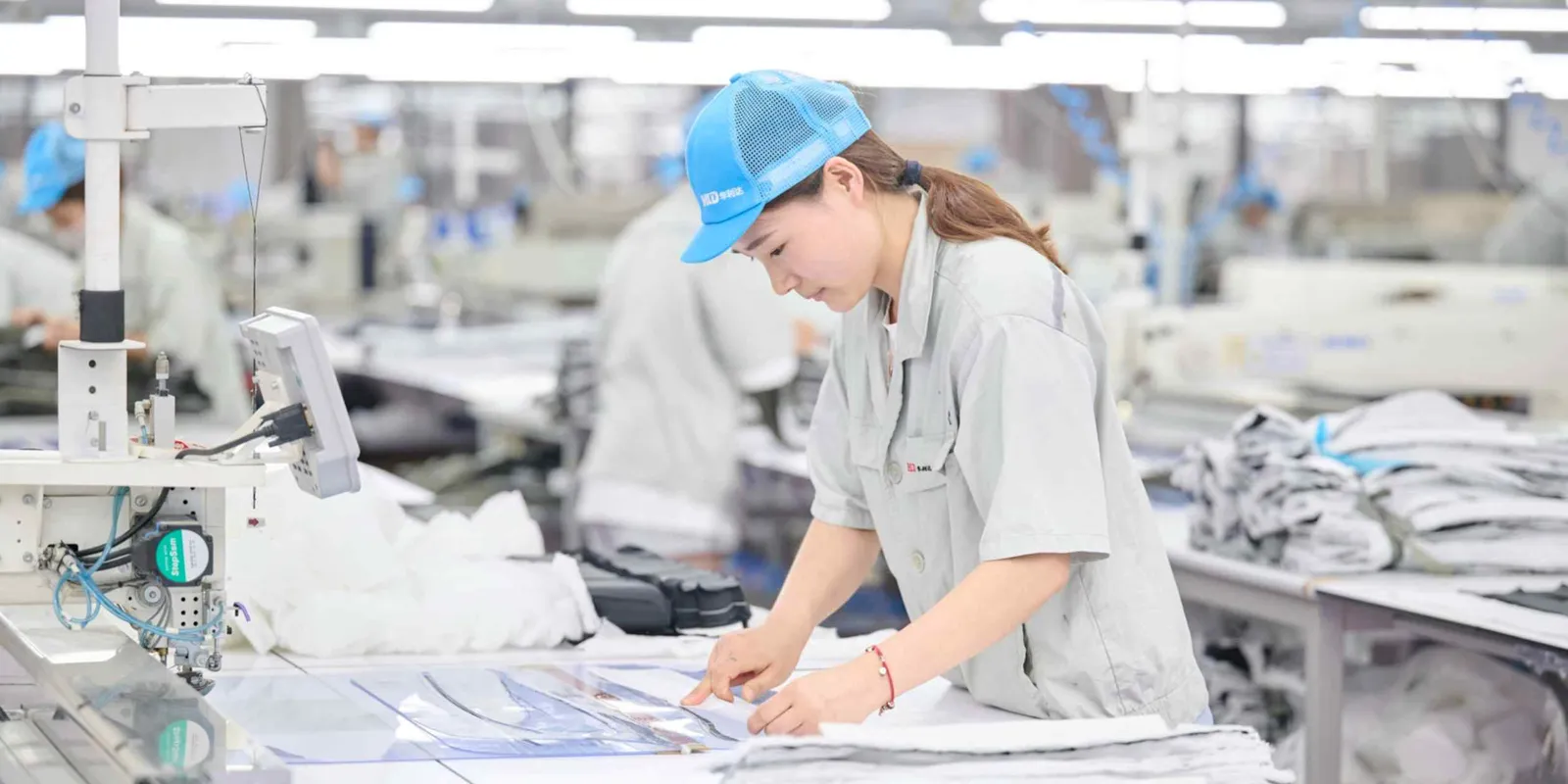
Fast Retailing’s Uniqlo operator is tightening human-rights monitoring of its suppliers, as reported by Nikkei Asia. For decision-makers, it signals that labor-risk oversight is becoming more operational, not just aspirational.
Fast Retailing’s Uniqlo operator is moving to tighten human-rights monitoring of its suppliers, according to Nikkei Asia. The point is simple but consequential: the company wants its labor and human-rights expectations enforced earlier and more consistently across the supply chain, where most risk actually lives.
What changes in practice is the monitoring posture. In apparel and retail, “human-rights due diligence” can sometimes drift into paperwork. This step, framed around stronger monitoring of suppliers, is meant to reduce that gap between what companies say and what auditors, factories, and subcontractors experience on the ground. For executives, that matters because supplier conditions are hard to see until something goes wrong, and “something went wrong” is usually when regulators arrive, consumers react, and legal exposure grows.
To understand why this kind of tightening matters now, zoom out to how global supply chains are regulated and judged. Over the past few years, human-rights and labor expectations have moved from voluntary codes toward enforceable obligations in multiple markets. Even when a company is not the direct employer, it can still face scrutiny for how it selects suppliers, how it handles complaints, and how it responds when there are credible indicators of forced labor, unsafe working conditions, discrimination, or other violations.
For a company like Fast Retailing, Uniqlo’s supply chain reach and scale make monitoring more than a moral checkbox. It is a risk-management system that influences operational continuity, brand durability, and legal defensibility. Tight monitoring can surface problems earlier, but it also creates a new kind of executive accountability: if monitoring is stronger, expectations from boards, investors, and regulators rise too. The result is a tighter feedback loop. More visibility can mean faster remediation, but it can also mean more cases to manage, more supplier negotiations, and more internal coordination between procurement, compliance, and legal.
There is also a governance angle. Supplier monitoring improvements typically require decisions about budget, staffing, and how evidence is collected and escalated. Boards and audit committees often treat these programs as “ESG” until there is a scandal or a regulatory push, at which point the issue suddenly becomes a controls question. When an operator tightens monitoring of human rights, it can be read as a proactive move to treat labor oversight like other enterprise risks, with escalation paths, measurable checks, and documented follow-through.
Second-order effects are where this gets interesting. Stronger supplier monitoring can change supplier behavior. Factories and subcontractors often respond to the monitoring process itself, by improving documentation, training, complaint handling, and internal audits. That can lift baseline compliance, but it can also produce theater if monitoring is not paired with enforcement and remediation. That is why tightening monitoring typically has to be paired with credible outcomes: corrective actions that are tracked, suppliers that are evaluated on progress, and consequences when remediation fails.
Executives at peer apparel operators should also note the competitive signal embedded in any tightening. When one major retailer raises the bar, it becomes harder for others to defend looser systems as “good enough.” Even if the specific monitoring mechanisms differ, the market learns the direction of travel. That can influence procurement standards, investor scrutiny, and how quickly competitors are pushed to update their supplier programs to avoid falling behind.
Ultimately, this is about what happens after monitoring finds issues. When an operator tightens human-rights monitoring, it is not just increasing data collection. It is increasing the probability that problems are detected and addressed sooner, which is both a reputational shield and a management burden. For Fast Retailing and its Uniqlo supplier network, the stakes are direct: fewer surprises, faster remediation, and less exposure to regulatory and brand risk. For other decision-makers, the takeaway is that labor and human-rights oversight is becoming an operational discipline, not a once-a-year audit exercise.
This story's Key Insights and Take-aways are locked.
Create a free account to unlock Executive Actions for one credit.
Register to UnlockAlways free for Executives Club members. Join the Club
More in Business

Bungie cuts most Destiny 2 staff as Sony says Marathon still matters
Herman Hulst confirms layoffs affecting most Destiny and some Marathon teams after Bungie admits Destiny fell short.

SK Hynix jumps 11% after seeking up to $29.4B in Nasdaq listing
The chip giant filed for a Nasdaq listing plan that could raise $29.4 billion, instantly reshaping investor expectations.
Micron revenue hits nearly $42B as AI memory lifts gross margins above 81%
Fiscal Q3 results crush estimates, prove AI memory is rewriting Micron's margins, and change the momentum math for the whole chip stack.