

FBI drops automatic hiring ban for past prostitution encounters
New guidance allows contextual review of past prostitution disclosures, signaling a broader recruitment pivot amid staffing shortages.
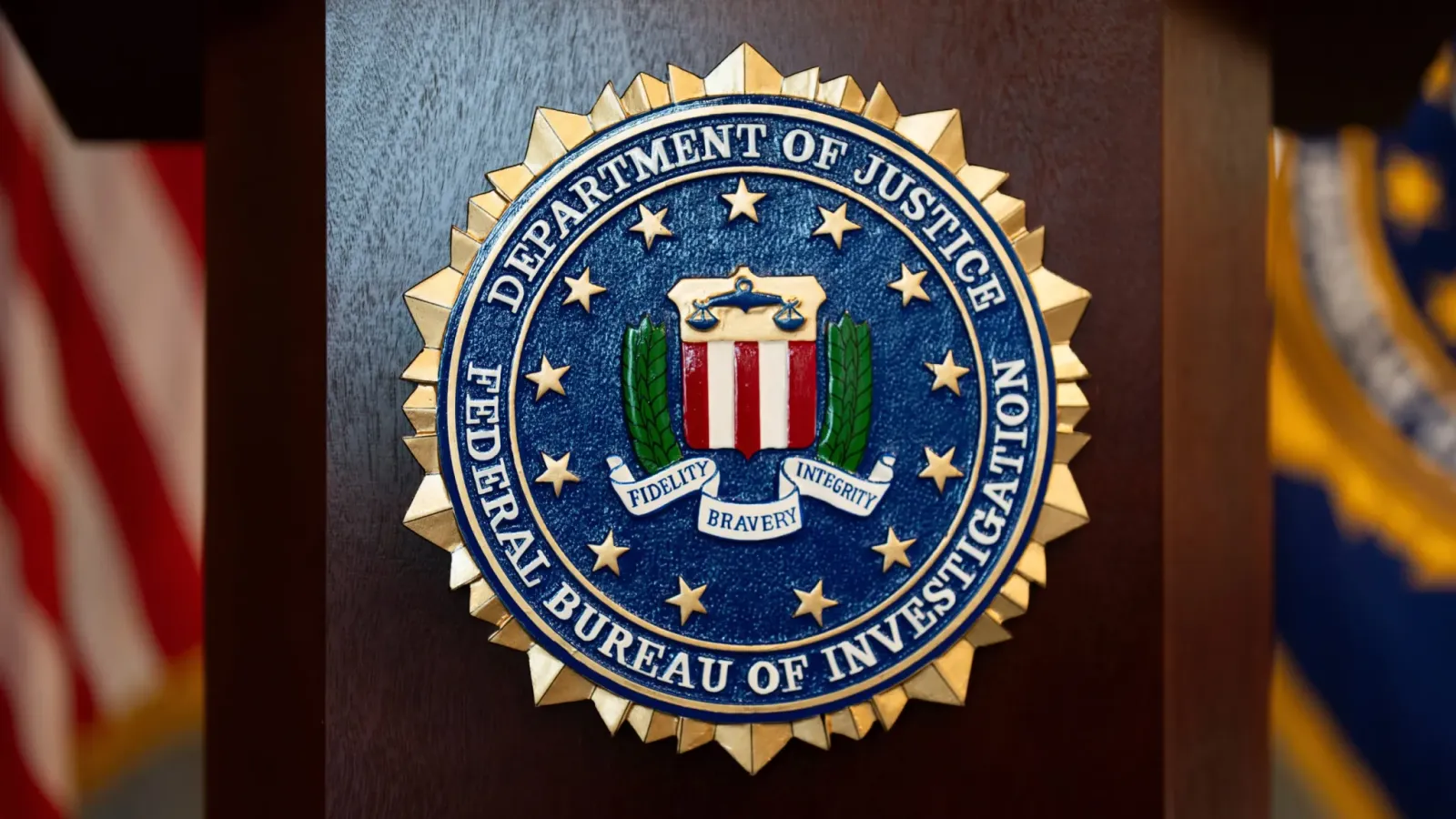
The FBI has revised its hiring guidance to no longer automatically disqualify applicants who disclose past prostitution encounters, a shift confirmed by people familiar with the matter. The change reflects a broader effort to widen the applicant pool as the bureau faces retention and recruitment challenges.
The FBI has quietly dropped its categorical ban on hiring applicants who have had sexual encounters with prostitutes, according to people familiar with new internal guidance. The change means such disclosures will no longer automatically end a candidate's chances, though the bureau will still dismiss those with recent or repeated involvement or who held positions of trust. The shift is part of a broader recruitment pivot as the bureau grapples with a mass exodus of personnel and a shrinking applicant pool.
The new guidance, issued this past spring, allows for a more contextual evaluation of candidates who admit to past prostitution during the vetting process. Still, automatic disqualification remains for anyone who engaged in prostitution within the last 10 years, did so three or more times, or did so while in a position of trust such as public safety. The change is designed to account for otherwise suitable candidates, including service members who may have engaged in legal prostitution overseas, and for applicants who were themselves victims of sexual abuse. The FBI's statement pushed back on any suggestion that standards are slipping: "It is false to suggest criminal behavior like this is no longer disqualifying at the FBI. Any applicant who has engaged in criminal sexual acts like those referenced would of course not be eligible for employment, and it is ridiculous to suggest otherwise."
The bureau's background check process remains rigorous, including a detailed questionnaire, credit checks, interviews with neighbors and colleagues, and a polygraph test. The comprehensive regimen is meant to uncover prior criminal conduct and any embarrassing personal information that could make an employee vulnerable to blackmail. Felony convictions, domestic violence convictions, failed urinalysis, and drug policy violations are still automatic disqualifiers. The prostitution guidance change follows a similar relaxation of marijuana policies several years ago, and it comes as current and former officials worry that the FBI and the broader Justice Department have eased recruitment requirements to fill gaps.
The concern is not unfounded. In 2015, then-Attorney General Eric Holder issued a memo reiterating that all Justice Department employees were prohibited from soliciting or accepting prostitution, even where legal. Yet incidents have persisted. As recently as last year, the Justice Department inspector general substantiated allegations that a supervisory special agent solicited and used prostitutes on multiple occasions while overseas and used a bureau-issued cellphone for the transactions. That case underscores the tension between the new guidance and the historical treatment of such conduct as a "death knell" for applicants at agencies including the FBI, CIA, and NSA, according to Daniel Meyer, a Washington lawyer with Tully Rinckey who specializes in background checks and security clearances.
Retired FBI agent Daniel Brunner, who spent two decades at the bureau, sees the change as a symptom of a deeper problem. "If they're moving the bar for sexual encounters to include prostitution, what is that saying about the applicant pool? They're trying to bring in more people, which to me indicates that the applicant pool is extremely shallow right now," he said. But Chris Piehota, a retired top FBI executive, offered a more measured view. "I don't think you get a better or worse candidate from something you did in your college years," he said. "That's why they have the screening process, that's why they have the vetting process. And the people who do the recruiting and hiring, they look at all those things."
The practical impact of the guidance remains unclear. Many applicants who disclose past prostitution may still be weeded out during polygraph or security clearance review, even if no longer automatically disqualified. But the symbolic shift is significant: it signals that the FBI is willing to trade some moral absolutism for a wider talent pool. For executives in industries that require security clearances, the move is a leading indicator of how federal agencies are rethinking categorical bans in favor of risk-based, contextual assessments. The challenge will be maintaining public trust and internal morale while ensuring that the vetting process still catches those who might be vulnerable to coercion or blackmail.
The change also raises questions about consistency across agencies. If the FBI can revisit a long-standing disqualifier, other agencies with similar bans may follow suit, particularly as the federal government competes with the private sector for cybersecurity and intelligence talent. For now, the FBI insists its standards remain high, but the direction is clear: in a tight labor market, even the most sensitive employers are finding that flexibility is a recruitment tool.
This story's Key Insights and Take-aways are locked.
Create a free account to unlock Executive Actions for one credit.
Register to UnlockAlways free for Executives Club members. Join the Club
More in Business

Tim Cook steps down as Apple CEO, stays on as chair with $45M equity
The 'Trump whisperer' keeps his White House and Beijing access as Apple navigates tariffs and a $4.6 trillion market cap.

Snowflake shares surge as AI data demand crushes estimates, lifting full-year forecast
Stocks jumped on stronger-than-expected guidance, signaling enterprise AI workloads are accelerating faster than Wall Street priced in.

Tim Cook's 15-year Apple CEO run ends: 3 lessons for any successor
After 15 years, Tim Cook hands Apple to John Ternus - here's how he turned a $350B company into a $4.6T juggernaut.