

FCC fines 8 DJI front companies $25,000 each, demands answers by July 20
The agency gives just 10 calendar days for “DJI front companies” accused of dodging the foreign drone ban.
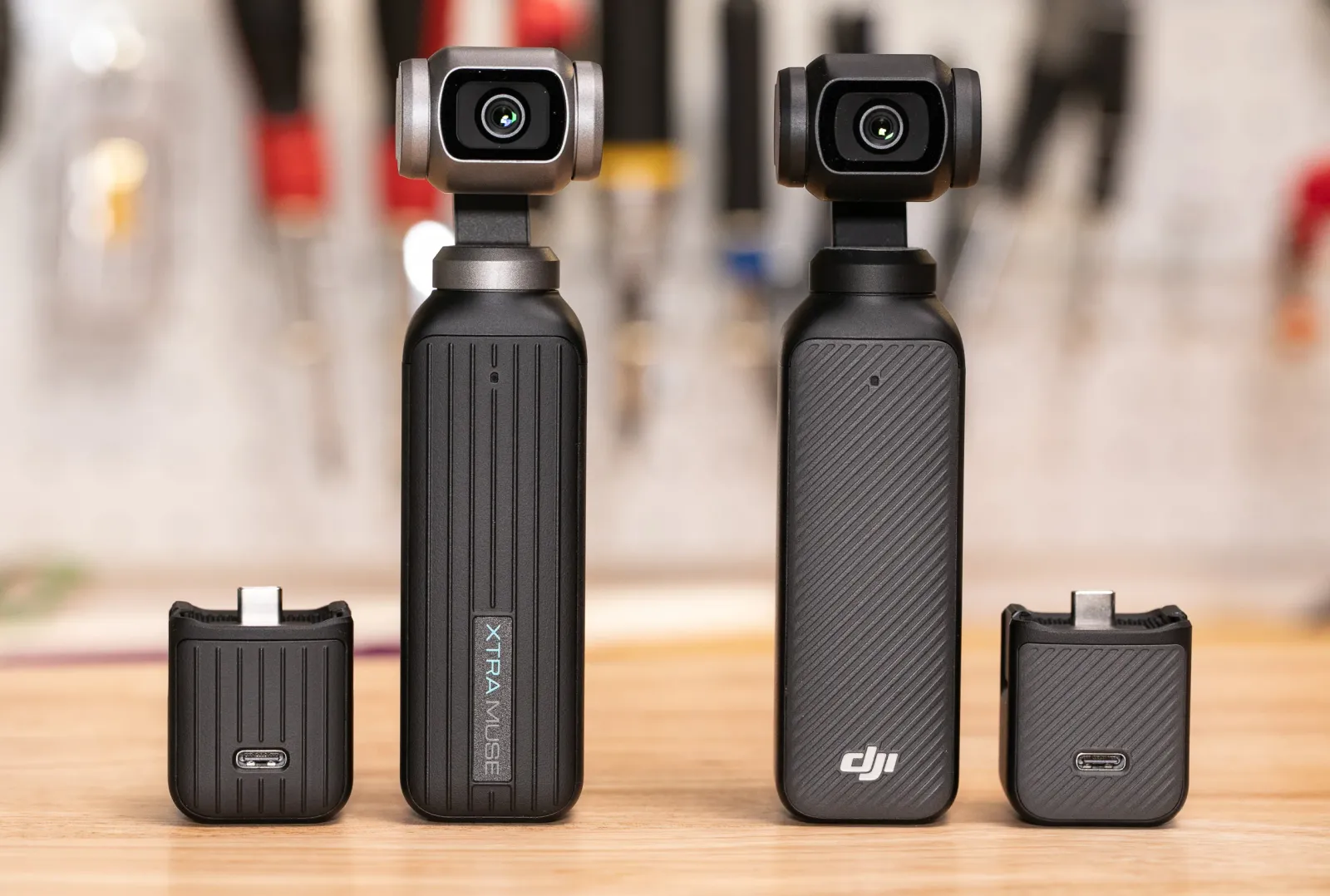
The FCC is fining eight companies it suspects of acting as DJI front businesses, charging each $25,000. The companies must answer FCC questions by Monday, July 20, or face further action.
If you thought the US foreign drone ban was mostly about big-name drone makers, the FCC just turned the spotlight to the middlemen. Today, the FCC is fining eight companies it describes as “DJI front companies,” and it is doing it at $25,000 per company.
The clock is the story, too. The FCC is giving those eight firms until Monday, July 20, which is just 10 calendar days, to respond to the agency’s questions before it takes further action. The message is blunt: the FCC is moving from suspicion to enforcement.
This crackdown is tied to a bigger, ongoing storyline The Verge previously covered. Last year, the publication reported on Xtra, a company that lets DJI’s popular cameras make it into the US. It also covered Skyrover, a brand that appeared to sell DJI drones “in disguise.” Those are not isolated cases in the FCC’s view. They are part of a wider pattern: multiple firms DJI is suspected of starting to skirt the United States’ foreign drone ban.
For context, these kinds of restrictions typically aim at risk, not just branding. Foreign drone rules are designed to reduce the perceived national security exposure of relying on certain vendors. But enforcement gets tricky when products, companies, and import paths evolve. Instead of only banning a specific device category, regulators look for workarounds: new brands, channel partners, or corporate structures that try to keep the same underlying technology flowing into the market.
That is where the “front company” label matters. A “front” is essentially an attempt to separate the visible buyer or seller from the actual source of the product and the leverage behind it. Watcher Konrad Iturbe, who was cited in the earlier coverage, is described as dubbing these kinds of entities “DJI front companies.” Now the FCC is putting real financial pressure behind that idea by fining eight of them.
The eight firms named include Cogito Tech and Fixaxo Technology, according to The Verge’s report. In addition to those two, the FCC’s penalties also cover other companies described as part of the alleged network. Each one is hit with the same $25,000 fine, which is notable for its uniformity. Uniform fines can signal a standardized theory of enforcement, meaning the FCC likely sees similar conduct patterns across multiple entities rather than one off, case-by-case disputes.
So what happens after July 20? The FCC’s notice includes a clear escalation path: respond by then, or face further action. The immediate consequence for the targeted firms is obvious, but the second-order consequence is what should keep boards and compliance leaders awake. If an industry can be punished not only at the device level but also at the corporate plumbing level, compliance changes from a legal checkbox to a supply-chain strategy.
For executives at hardware and camera ecosystems, the stakes are bigger than one product line. DJI technology shows up in mainstream consumer and prosumer worlds through cameras and handheld gear, not only through traditional drone flights. When regulators target distribution and corporate structure, the practical impact lands on operations: who sells, who imports, who markets, which entities hold inventory, and which entities control firmware and software pathways. Companies that assume enforcement will stay narrow, or stay only on the most obvious players, may find regulators are willing to look upstream and downstream at the same time.
And for investors, this is also a valuation story. The market tends to price regulatory risk as a single probability for “banned or not banned.” But front-company enforcement adds a new failure mode. It creates the risk that a business model can be disrupted even if the headline product is not directly named, simply because the corporate structure does not satisfy regulators’ view of compliance. When the FCC gives 10 calendar days to answer, that short window suggests the agency wants timely clarity, not long negotiations.
Bottom line: the FCC is fining eight alleged “DJI front companies” $25,000 each and demanding responses by Monday, July 20, in a move that turns a previously reported workaround narrative into direct enforcement. For leaders in adjacent markets, it is a warning shot that regulators can tighten the rules not only on what gets sold, but also on how it gets sold.
This story's Key Insights and Take-aways are locked.
Create a free account to unlock Executive Actions for one credit.
Register to UnlockAlways free for Executives Club members. Join the Club
More in Technology

Google quietly links your phone number to every Android account on your SIM
Adding a SIM now ties your phone number to all Google accounts - and future accounts inherit it. Here's the security and privacy stakes.

Hijacker AI 'Skynet mode' runs 100,000 attack steps against exposed models
Symantec caught a criminal AI agent that borrows other models, steals data, and mines crypto; the only relief is no confirmed victims yet.

Nvidia's AI-financier shift faces its first big test as neoclouds stumble
A rout in neocloud stocks is forcing investors to weigh Nvidia's hidden exposure as both supplier and lender to the AI buildout.