
Fed Chair Warsh signals possible rate hike as inflation stays hot
In his first Jackson Hole speech, Kevin Warsh says underlying inflation hasn't improved, sending bond yields up and putting a September hike in play.
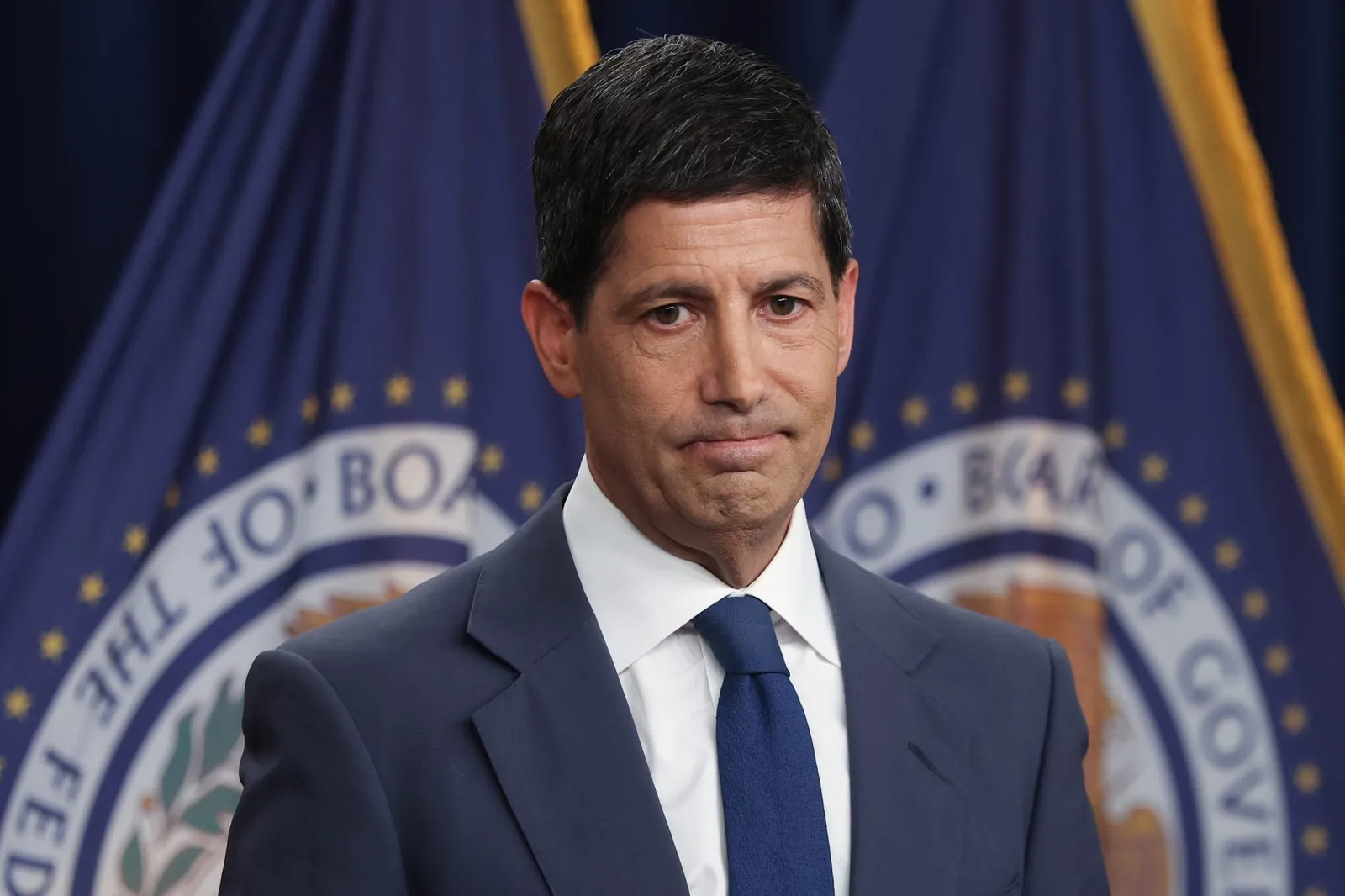
Federal Reserve Chair Kevin Warsh, in his first Jackson Hole speech, signaled the central bank may raise interest rates in coming months, saying recent cooling inflation doesn't prove underlying trends have improved. The remarks shifted bond market expectations, with two-year Treasury yields rising and futures pricing a coin-flip chance of a September hike.
Federal Reserve Chair Kevin Warsh used his first Jackson Hole speech to deliver a clear warning: inflation is still too high, and the central bank may need to raise interest rates in the coming months. "We must be confident that underlying inflation is moving to our objective, clearly and at sufficient speed," Warsh said Friday. "Otherwise, we have work to do." The remarks, his most explicit on policy since taking over from Jerome Powell in late May, acknowledged that recent reports show inflation has cooled a bit, but "they do not tell me that underlying trends have meaningfully improved."
Wall Street took the message seriously. The two-year Treasury yield, which tracks expectations for Fed policy, jumped from 4.22% to 4.30% after the speech, signaling investors now see a higher chance of short-term rate increases. Longer-term 10-year and 30-year yields stayed mostly flat, suggesting markets don't expect a prolonged tightening cycle. According to CME FedWatch, futures pricing now puts the odds of a rate hike at the Fed's Sept. 15-16 meeting at roughly a coin flip, up from about one-third before Warsh spoke.
Warsh's tone marks a departure from his predecessor's approach. He has long criticized "forward guidance" - the practice of signaling future policy moves - arguing it limits the Fed's flexibility. In his speech, he reiterated that skepticism, declining to outline a specific path for rates. But he did suggest that current interest rates aren't restrictive enough to cool the economy, pointing to robust business investment in AI equipment and infrastructure and strong consumer spending. As a rule of thumb, rates often need to be high enough to limit borrowing and spending to bring inflation down.
The data support his concern. The Fed's preferred inflation measure stood at 3.7% in July, well above the 2% target. Warsh noted that 54% of goods and services tracked by the government have seen price increases of 3% or higher over the past year - down from the pandemic peak but "well above" the 32% average in the two decades before COVID. He also said inflation is unlikely to return to target on its own, and that inflation data are "more concerning" than job market trends, where unemployment remains low.
The speech comes amid intense political pressure. President Donald Trump has continued to call for lower interest rates, and while he has defended Warsh, he has criticized other Fed officials for supporting higher rates. Trump has also renewed efforts to remove Fed Governor Lisa Cook, a Biden appointee, which would give him a majority on the seven-member board. Trump tried to fire Cook last year but was temporarily blocked by the Supreme Court. These dynamics add uncertainty to the Fed's independence as it weighs its next move.
Economists offered mixed reads on Warsh's message. Jon Faust, a Johns Hopkins economist and former Powell adviser, said Warsh succeeded in conveying a tougher approach on inflation while avoiding detailed guidance. "He found a way to convey that if necessary he would support raising rates, which is one thing people were concerned about," Faust said. But Michael Strain of the American Enterprise Institute noted that Warsh has talked tough before without hiking, and his Friday remarks don't provide clearer timing. "He has talked tough on inflation before without hiking the Fed's key rate," Strain said.
The broader rate environment is also shifting. Longer-term yields have risen steadily in recent weeks due to burgeoning government deficits and heavy borrowing by tech firms building AI infrastructure. The 30-year Treasury yield hit its highest level in 19 years last week, prompting Treasury Secretary Scott Bessent to launch an unusual bond buyback to push yields lower. For executives, the takeaway is clear: the cost of capital may stay higher for longer, and the Fed's next move is far from certain. Warsh's speech suggests the fight against inflation is far from over, and businesses should prepare for the possibility of another hike.
This story's Key Insights and Take-aways are locked.
Create a free account to unlock Executive Actions for one credit.
Register to UnlockAlways free for Executives Club members. Join the Club
More in Business
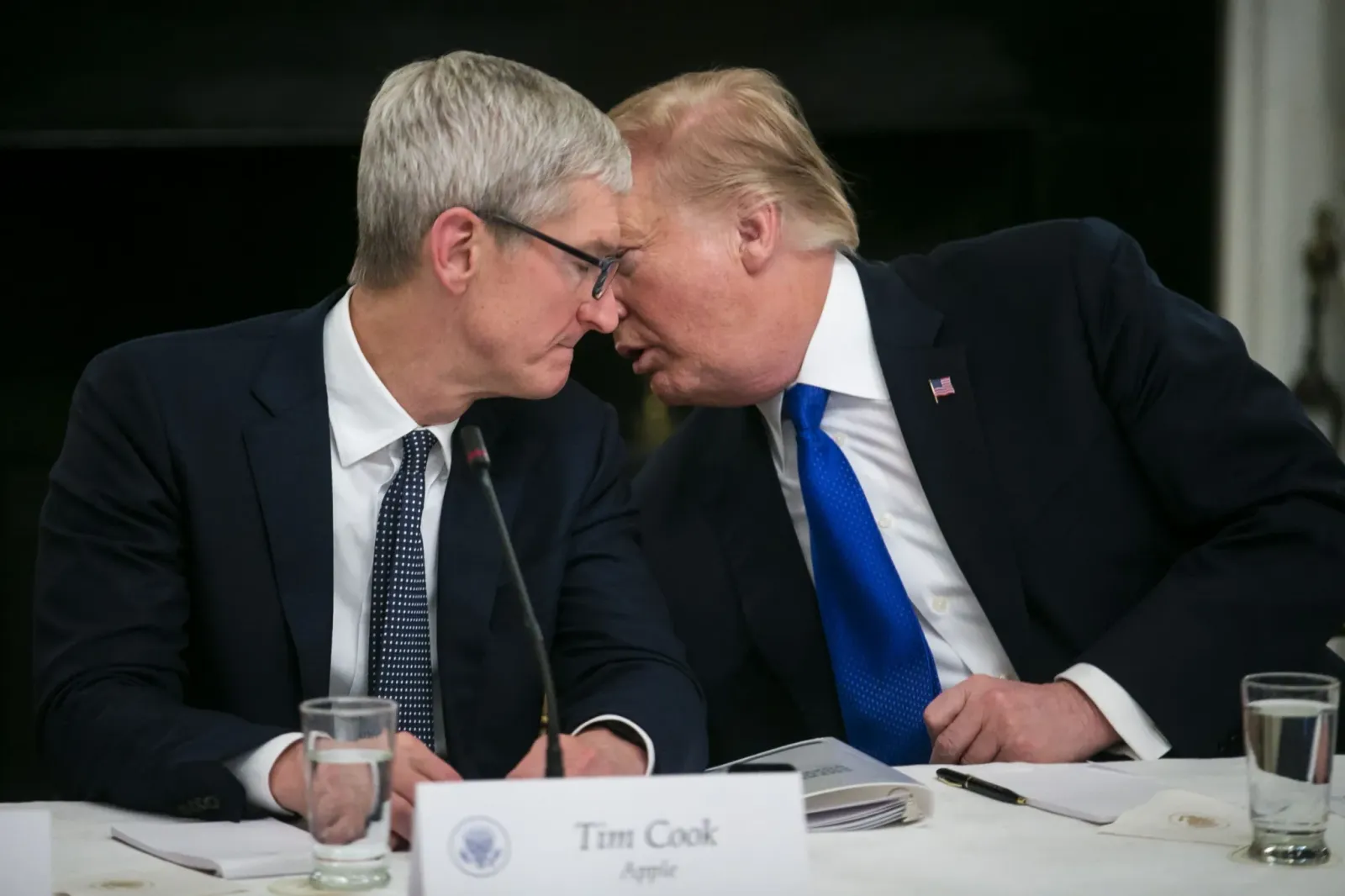
Tim Cook steps down as Apple CEO, stays on as chair with $45M equity
The 'Trump whisperer' keeps his White House and Beijing access as Apple navigates tariffs and a $4.6 trillion market cap.
Snowflake shares surge as AI data demand crushes estimates, lifting full-year forecast
Stocks jumped on stronger-than-expected guidance, signaling enterprise AI workloads are accelerating faster than Wall Street priced in.
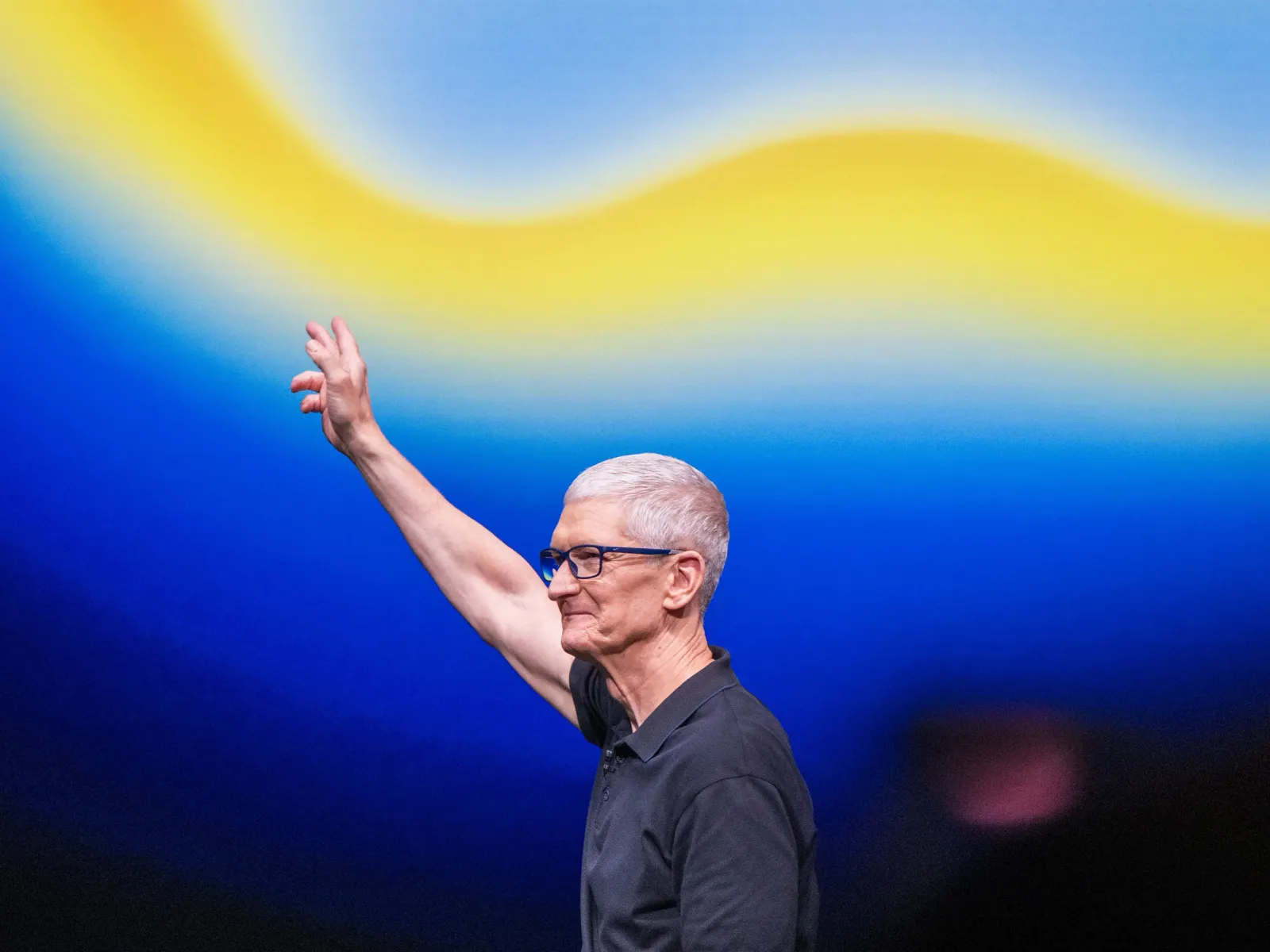
Tim Cook's 15-year Apple CEO run ends: 3 lessons for any successor
After 15 years, Tim Cook hands Apple to John Ternus - here's how he turned a $350B company into a $4.6T juggernaut.