
Fed's Warsh hints at rate hikes as markets price 57% chance of September move
With inflation at 3.7% and financial conditions not restrictive enough, the Fed chair is signaling that rate hikes may be back - and the next meeting is weeks away.
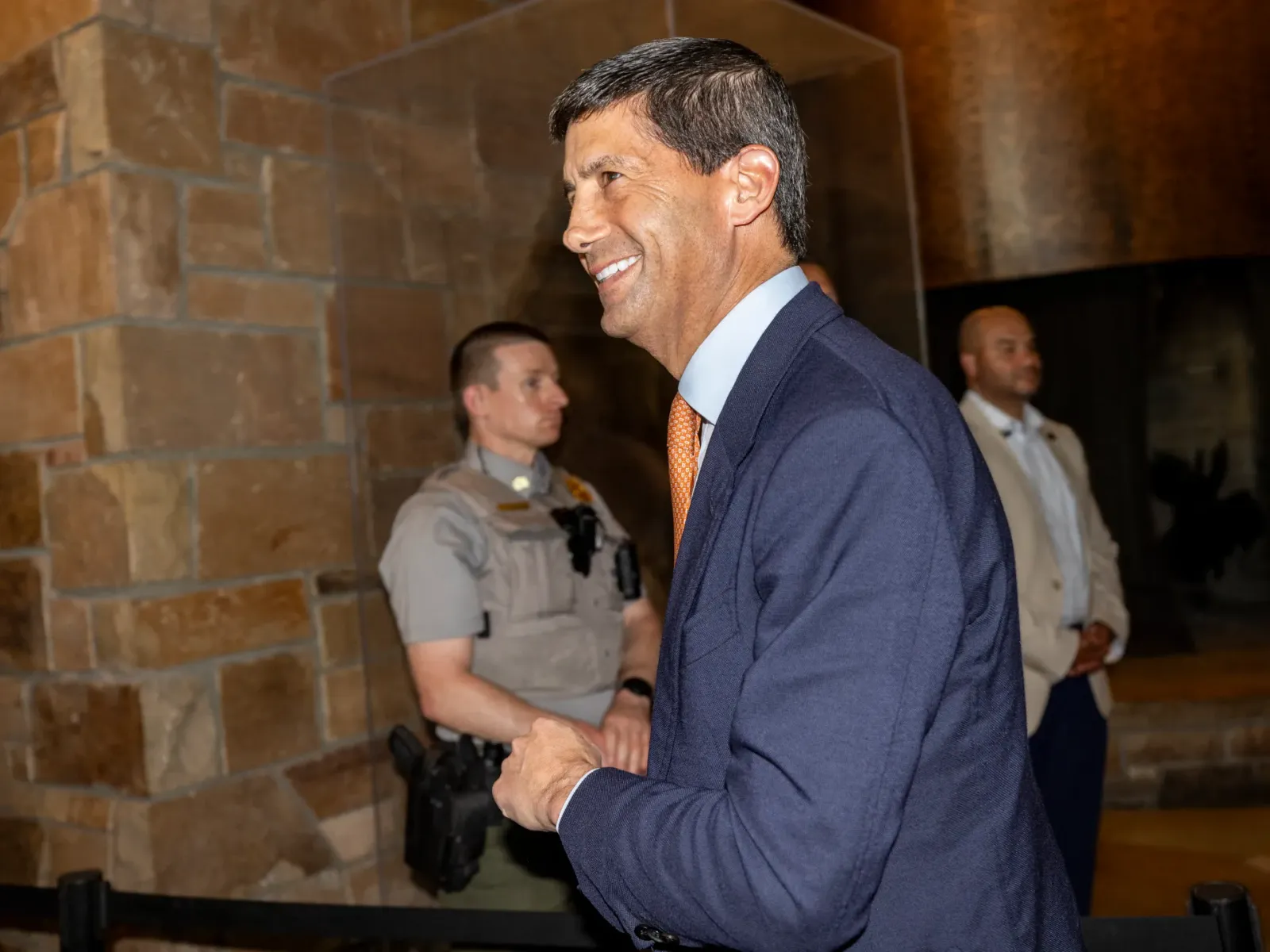
Federal Reserve Chair Kevin Warsh warned at Jackson Hole that inflation progress has been 'modest' and that financial conditions are not restrictive enough, hinting that rate hikes could be on the horizon. With markets now pricing a 57.4% chance of a 25-basis-point hike in September, executives should prepare for tighter monetary policy sooner than expected.
Federal Reserve Chair Kevin Warsh used his Jackson Hole speech to deliver a stark warning: inflation is not falling fast enough, and rate hikes are back on the table. Markets are listening - CME Group's FedWatch now shows a 57.4% probability that the central bank raises rates by 25 basis points at its September meeting, a jump that reflects Warsh's most hawkish language since taking the helm.
Warsh said the Fed will 'have work to do' if policymakers aren't confident that underlying inflation is returning to the 2% target. He stressed that financial conditions 'do not appear restrictive enough' - the closest he's come to acknowledging that rate hikes may be needed. His standard: 'We must be confident that underlying inflation is moving to our objective, clearly and at sufficient speed.' He did not offer a timeline, but the market is already pricing in a meaningful chance of action at the mid-September meeting.
The central bank's preferred inflation gauge, the Personal Consumption Expenditures Price Index (PCE), remained at 3.7% on an annual basis as of July - well above the 2% target. Warsh called the progress 'modest' and said the data does 'not tell me that underlying trends have meaningfully improved.' He also noted that PCE inflation has been increasing by 3%, which is 'well above pre-pandemic levels.' That distinction matters: it suggests the Fed sees the current plateau as structurally sticky, not a temporary blip.
Warsh's remarks drew immediate reaction from analysts. Capital Economics wrote in a note to clients that his speech 'delivered a far clearer - and hawkish - message than his last press conference appearance.' The firm added that this 'leaves the door open to a hike earlier than our current forecast of December, if the forthcoming price data are firm.' For executives, that means the September meeting is no longer a theoretical risk - it is a live event with real balance-sheet consequences.
While Warsh focused on near-term rate policy, much of his address looked further out. He discussed the role artificial intelligence will play in the economy and said recommendations from five task forces the central bank created will come later, addressing 'future policy challenges.' That dual focus - immediate inflation fighting and long-term structural adaptation - signals a Fed that is trying to manage both the cycle and the secular shifts reshaping labor markets and productivity.
For CFOs and treasurers, the takeaway is clear: the era of cheap money is not returning anytime soon, and the Fed's tolerance for above-target inflation is thin. Warsh's insistence that inflation expectations 'do not get unanchored' is a direct warning that the central bank will prioritize credibility over growth if forced to choose. That means floating-rate debt, capital expenditure plans, and M&A models should all be stress-tested against a 25-basis-point hike in September - and possibly another before year-end.
The broader strategic implication is that the Fed is now operating with a hawkish bias that markets have not fully priced. The 57.4% probability is not a certainty, but it is a far cry from the 'higher for longer' narrative that dominated earlier this year. If August PCE data, due in mid-September, comes in hot, that probability could spike quickly. Executives who lock in fixed-rate financing now or hedge their interest rate exposure will be ahead of peers who assume the Fed will blink.
Warsh's Jackson Hole speech also underscores a leadership shift at the Fed: he is willing to use public forums to reset expectations, even if it means contradicting market consensus. For boards, that is a signal to revisit risk appetite and liquidity buffers. The next few weeks will be pivotal - and the cost of being unprepared is a sudden repricing of risk assets and borrowing costs.
This story's Key Insights and Take-aways are locked.
Create a free account to unlock Executive Actions for one credit.
Register to UnlockAlways free for Executives Club members. Join the Club
More in Business
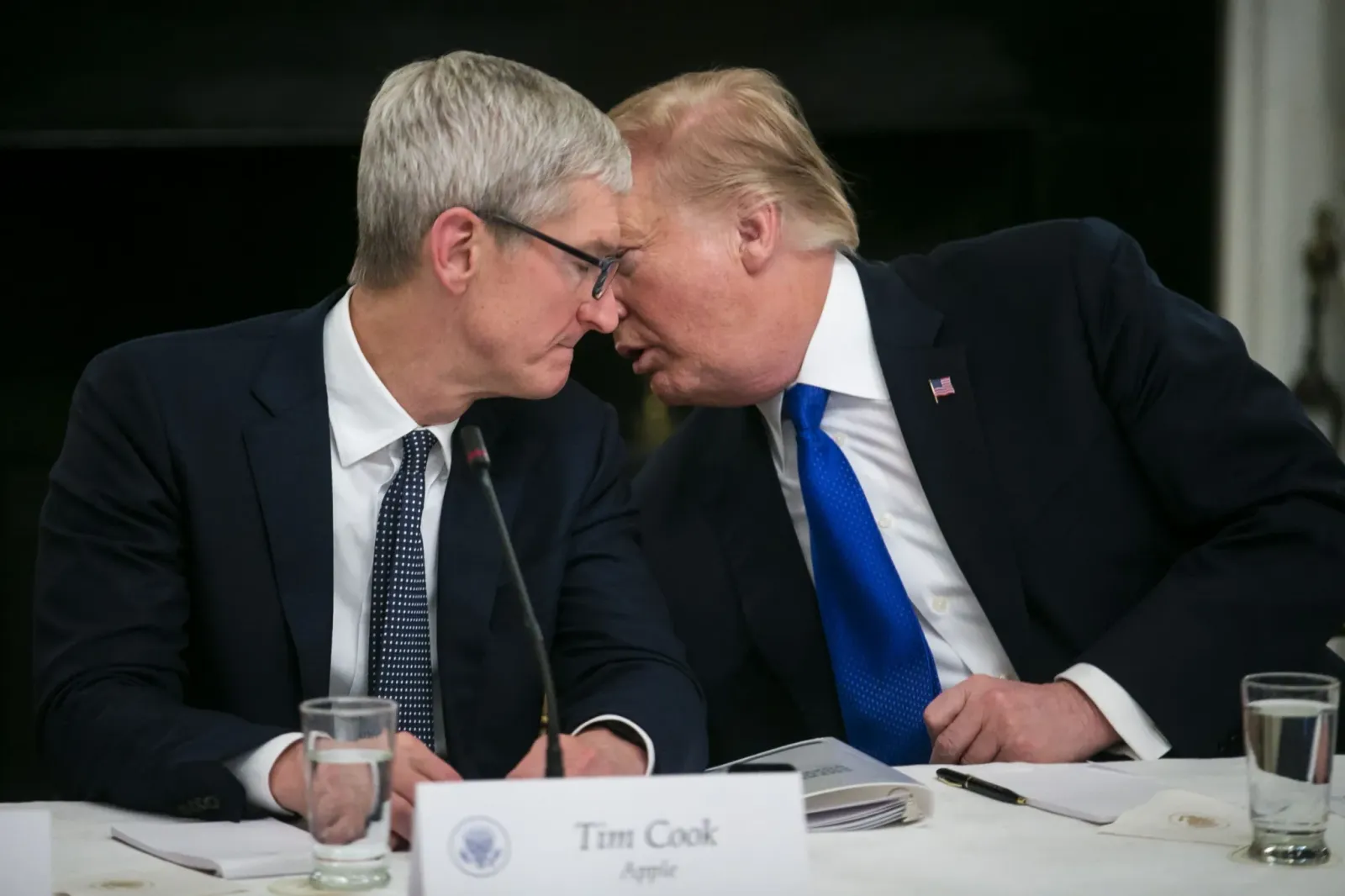
Tim Cook steps down as Apple CEO, stays on as chair with $45M equity
The 'Trump whisperer' keeps his White House and Beijing access as Apple navigates tariffs and a $4.6 trillion market cap.
Snowflake shares surge as AI data demand crushes estimates, lifting full-year forecast
Stocks jumped on stronger-than-expected guidance, signaling enterprise AI workloads are accelerating faster than Wall Street priced in.
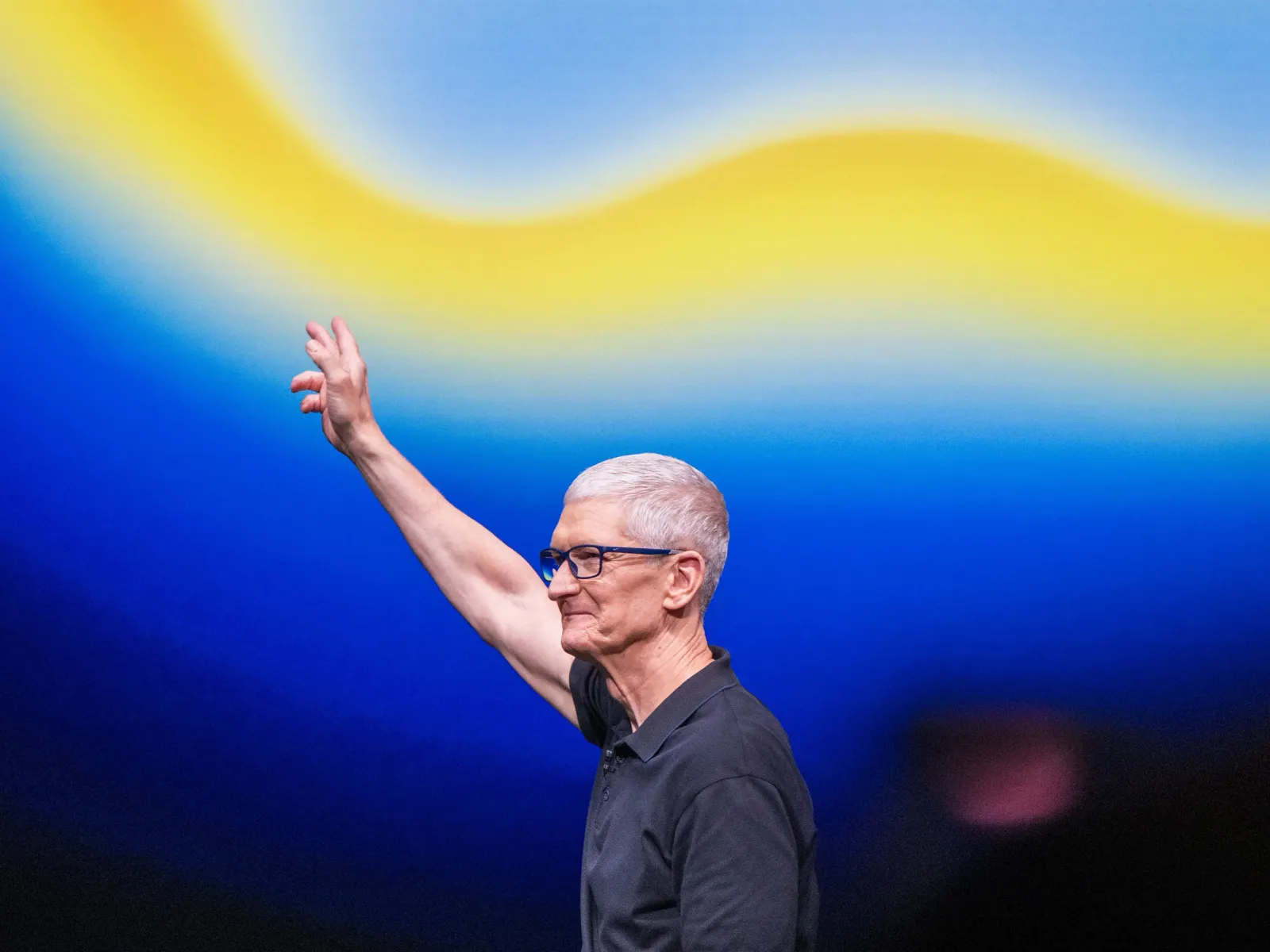
Tim Cook's 15-year Apple CEO run ends: 3 lessons for any successor
After 15 years, Tim Cook hands Apple to John Ternus - here's how he turned a $350B company into a $4.6T juggernaut.