
Fête de la Musique turns 1982’s free festival into a Black diaspora mega-haunt
Started as government-backed street music, it now draws Black Britons to Paris every June, raising a new commercialization test.
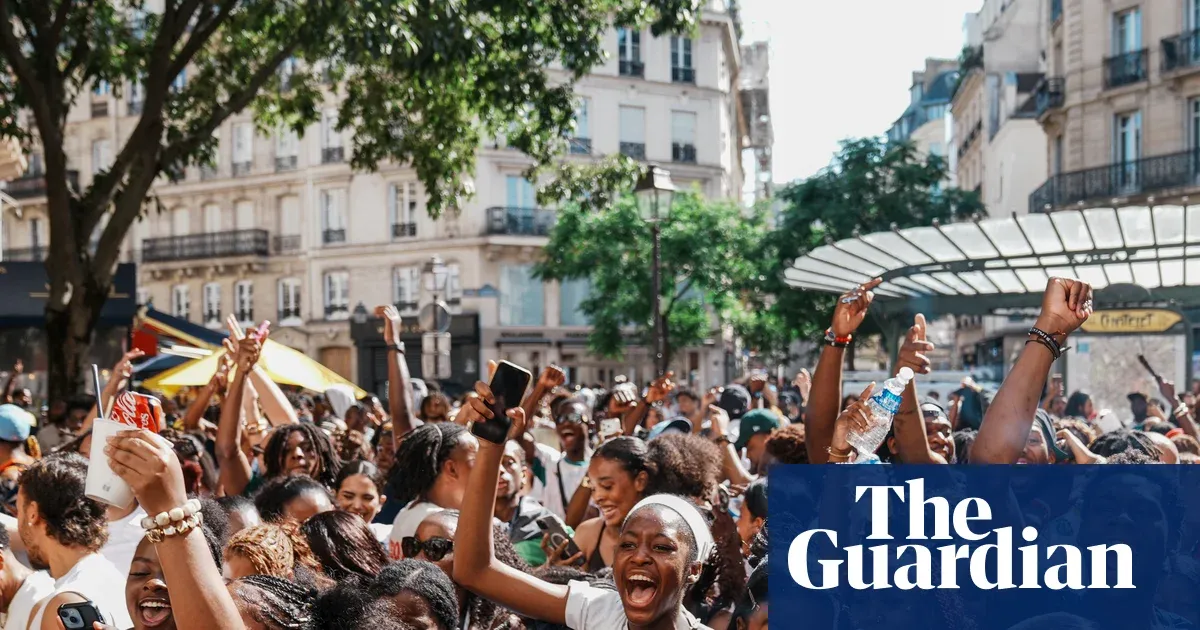
Fête de la Musique, begun in 1982 as a free, France-wide, government-sanctioned initiative, has become a magnet for Black Britons traveling to Paris. For decision-makers and cultural stakeholders, the key question is whether the festival can grow without losing the spontaneous, community-first energy that brought it this far.
At 4.45pm in Châtelet, central Paris, a man leans out of a third-floor balcony and blasts EDM from his speakers. A makeshift cardboard sign is strapped to his decks, listing his Instagram in capital letters. Friends hype him from opened windows, and a crowd starts gathering below. It is completely spontaneous, slightly ridiculous, and entirely alive. That scene is the modern face of Fête de la Musique, the music festival that started in 1982 as a free, France-wide, government-sanctioned initiative to encourage citizens to pick up instruments and play for their neighbours.
But the same weekend that produces these balcony-to-street moments is also evolving into something bigger than its original mission. Word of mouth, TikTok, and the growing allure of French language music have propelled the festival to heights no arts ministry could have planned for. And Black Francophone culture has become a defining heartbeat of the weekend, pulling in crowds of Black Britons to Paris every June. The genres that travel farthest tell the story: amapiano and zouk sit alongside bouyon, shatta, French Afrobeats, trap, hip-hop, and R&B.
The obvious question behind that growth is not whether the party is working. It is. The question is whether the structure that enables scale risks sanding down the very spontaneity that makes the event feel like it belongs to the neighborhood, not the sponsor deck. In the source, the tension is framed as a challenge to resist commercialisation and a concern it could be getting too big. For leaders watching this kind of cultural phenomenon, that is a familiar governance problem: when demand becomes predictable, you start to get pressure for predictability in return. More footfall. More branded participation. More “official” zones. More content capture. Less drift.
There is also a cultural-incentives angle that matters for strategy. The festival’s origin story is public-facing and simple: a government-sanctioned nudge to get people playing for their neighbours. The modern version keeps the “play” part, but the distribution engine has changed. Instead of only relying on local community diffusion, it is now boosted by platforms like TikTok and by the cross-border pull of French language music. That shift turns a street moment into a shareable signal. When the shareability is global, the audience can grow faster than the original host ecosystem can absorb it.
Now fold in diaspora dynamics. Black Francophone culture has become central, and Black Britons are among those arriving, predominantly Black, drawn by the musical palette. That matters because diaspora audiences often arrive with their own expectations about authenticity, representation, and belonging. The festival does not just “host” music. It becomes a social bridge, a place where identity and taste align in public. When a cultural bridge scales, it can attract new participants who love the sound. It can also attract actors who treat it like a market, not a community.
From a regulatory and operational standpoint, the state-sanctioned origin is notable. The festival is described as free and France-wide, meaning the policy posture is not just about art funding, it is about creating permission for public activity. But “permission” is different from “control.” As unofficial balcony stages and window-side hype become typical of the festival, the governance challenge is how to keep the festival permissive while protecting safety, managing sound spill, and preventing the event from turning into a logistics exercise that displaces grassroots energy.
Second-order consequences for decision-makers show up quickly in these contexts. When a festival becomes a must-visit event, the incentives of participants, performers, and intermediaries can shift. People start optimizing for visibility. Venues and organizers look for repeatable revenue streams. Platforms, influencers, and marketers can make the event feel like a content category, not just a weekend. That can be good for reach, but it can also push the vibe toward rehearsed spectacle rather than the original “pick up an instrument and play for your neighbours” ethos.
For executives, founders, or board members across media, live experiences, and cultural programming, Fête de la Musique is a live case study in how grassroots formats scale. The source shows what success looks like: amapiano to zouk traveling farthest, Black Francophone culture setting the heartbeat, and the balcony-and-deck improvisation that makes the festival feel unfiltered. The strategic stakes are whether leaders can grow the audience without freezing the spontaneity that earned that audience in the first place. If they cannot, the festival risks becoming too big for its own magic. If they can, it becomes something rare: a large-scale public culture event that still feels like it belongs to the people standing closest to the music.
This story's Key Insights and Take-aways are locked.
Create a free account to unlock Executive Actions for one credit.
Register to UnlockAlways free for Executives Club members. Join the Club
More in Entertainment

Russell Brand's accuser 'bewildered and confused' as he denies 7 sex charges
The criminal case against the comedian is a live test of how media companies manage talent risk when serious allegations go public.

'It's a Magic Trick': Ballet Experts Say Rosalía's SNL Pose Is Impossible
Three ballet experts tell Rolling Stone Rosalía's gravity-defying SNL stillness shouldn't be possible - and why the debate is now part of the show.

Activision CMO: GTA 6 Will Boost Call of Duty, Not Bury It
Activision's top marketer says Rockstar's blockbuster will drive players back to consoles and into Modern Warfare 4, even as the company admits its recent strategy failed.