

FIFA drops Infantino’s World Cup stake sale plan after backlash over competition ownership
FIFA abandons plans to sell stakes in major competitions, reshaping how executives think about governance and funding.
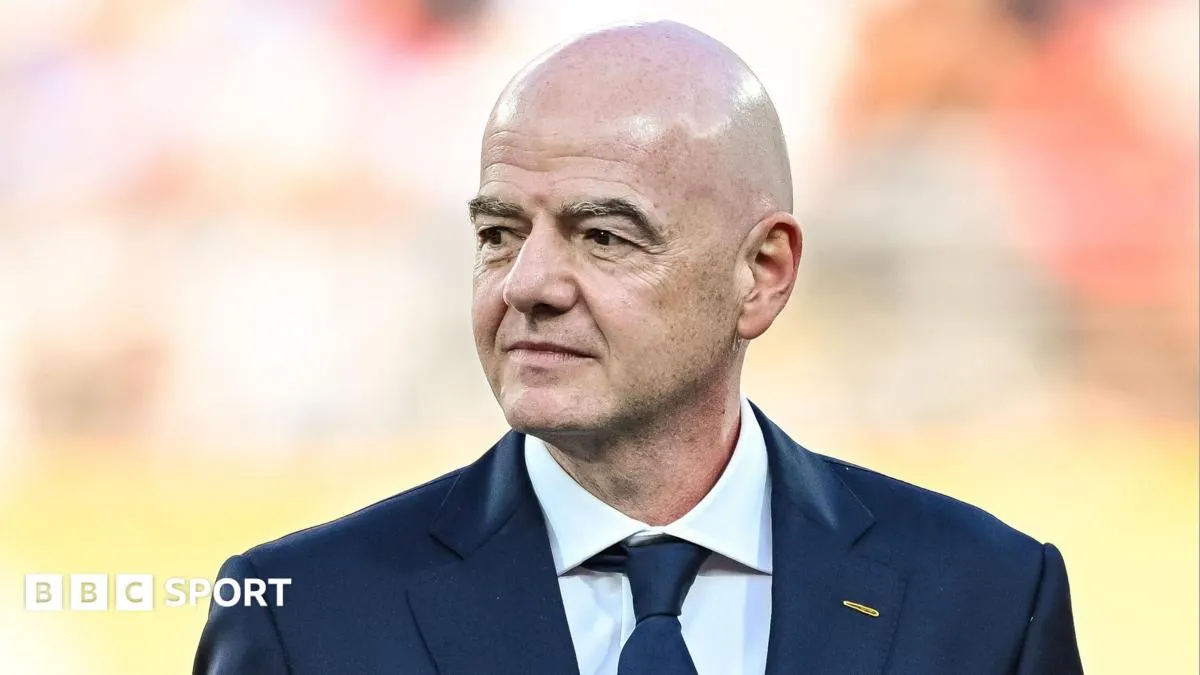
FIFA has scrapped plans to sell off stakes in its major competitions following widespread opposition to President Gianni Infantino’s proposal. For decision-makers, the reversal signals that funding ideas tied to tournament assets now face tighter political and stakeholder scrutiny.
FIFA has abandoned plans to sell off stakes in its major competitions, walking away from a proposal put forward by its president, Gianni Infantino, after widespread opposition. In plain terms: the global football governing body decided not to convert parts of the sport’s crown jewels into tradable financial assets. That matters because it tells clubs, broadcasters, sponsors, and investors that FIFA is still taking stakeholder backlash seriously, even when the pitch is rooted in “investment” and balance-sheet logic.
The decision ends a specific line of thinking: FIFA’s idea to monetize ownership and control by selling stakes in major competitions. The source is clear that opposition was widespread. So while the proposal was associated with “World Cup investment,” the end result is simpler and more consequential. FIFA is not moving forward with that stake sale plan.
To understand why this reversal lands with weight, it helps to look at how FIFA and similar organizations finance big, expensive, high-profile events. Major tournaments are not just sporting moments, they are global platforms. They carry branding, media rights, commercial sponsorship inventory, and tournament-wide commercial packaging. When an organization considers selling stakes, the pitch usually sounds like it creates a new pool of capital or unlocks liquidity without fully handing over the entire asset. But it also changes the power geometry. Even partial ownership stakes can invite questions about decision rights, profit allocation, and whether the commercial priorities of outside investors align with long-term sporting and governance goals.
That is where stakeholder opposition becomes more than noise. In global sports, the “owners” of the system are rarely just one entity. National associations, clubs, confederations, commercial partners, players, and broadcasters all have incentives to protect what they believe gives them stability. If fans, associations, or influential members of football’s ecosystem think a stake sale threatens the integrity or control of competitions, the backlash can quickly turn into an institution-level fight. FIFA is effectively acknowledging that the costs of pushing through might outweigh the funding benefits.
There is also a regulatory and governance subtext. FIFA sits at the intersection of sport regulation, commercial rights markets, and public scrutiny. When governance decisions involve monetizing tournament stakes, they tend to raise questions about transparency, competition fairness, conflicts of interest, and who ultimately has leverage over match schedules, commercial packaging, and tournament-related enforcement. Even without detailing every legal angle, the practical reality is that a governing body’s legitimacy depends on being seen as serving the sport rather than extracting value from it.
From an executive perspective, this is not just a FIFA story. It is a signal to boards and leadership teams across sports and entertainment: proposals to bring in capital through partial ownership can trigger fast and broad resistance if stakeholders believe control is drifting. The world of media rights and commercial sponsorship is still highly lucrative, but it is also politically sensitive. Executives evaluating similar initiatives, whether at federations, leagues, or event operators, will likely face sharper internal debate about reputational risk and governance constraints.
Second-order implications extend to investors and strategic partners too. If FIFA is backing away from selling stakes, that narrows the universe of dealmaking opportunities tied to future competition revenues. It also suggests FIFA prefers other funding routes that do not require distributing ownership stakes widely. That could mean more reliance on traditional commercial rights monetization, partnerships, sponsorship structures, or other forms of financing that preserve central control.
Finally, there is the timing and precedent-setting element. The source frames the move as scrapping the plan after opposition to Infantino’s proposal. When a president’s initiative hits resistance hard enough to kill the plan, it reshapes how future proposals are judged. People inside FIFA and around it will take note that stakeholder alignment, political feasibility, and legitimacy checks are not afterthoughts. They are gating factors. For decision-makers watching global sport governance, this is a reminder that capital plans in regulated, reputationally charged industries cannot be separated from power, control, and stakeholder trust. In this case, FIFA chose not to proceed, and the sports finance playbook just got a little stricter.
This story's Key Insights and Take-aways are locked.
Create a free account to unlock Executive Actions for one credit.
Register to UnlockAlways free for Executives Club members. Join the Club
More in Business

Anthropic’s Levant Alpöge cracks the Jacobian conjecture after 87 years
A Harvard valedictorian used Claude to hit a 1939 breakthrough, but the missing “why” is the real problem.

Uber buys Delivery Hero for nearly $15B, vaulting to top food delivery outside China
The deal doubles Uber's dual-services footprint and pushes a ride-and-eats bundling play into 50 more markets.

Epic and Google drop settlement bid, forcing rival Android app stores by July 22
Google told the court it is ready to carry third-party app stores starting Wednesday, July 22.