

Final Fantasy 7 Remake and Rebirth sell several times better than expected after 2026 reveal
The Summer Game Fest 2026 reveal for Final Fantasy 7 Revelation appears to be turbocharging sales of Remake and Rebirth.

Eurogamer reports that Final Fantasy 7 Remake and Rebirth are selling "several times better" than expected following Revelation's Summer Game Fest 2026 reveal. For decision-makers, the takeaway is straightforward: major franchise moments can re-rate demand across older releases fast.
Final Fantasy 7 Remake and Rebirth are selling "several times better" than expected after the Summer Game Fest 2026 reveal for Final Fantasy 7 Revelation, according to Eurogamer. In other words, the new entry in the franchise is not just generating buzz for itself. It is pulling forward sales momentum in the back catalog, which is often where publishers quietly make the math work.
The timing matters. The uplift is framed specifically "in the wake of Revelation's Summer Game Fest 2026 reveal". That matters for anyone running budgets, forecasting P&L, or deciding how hard to lean into marketing beats, because it links a single high-visibility event to measurable commercial response. When older titles suddenly outperform expectations after a new reveal, you learn something valuable about customer behavior: attention is fungible. A major moment can convert dormant interest into new purchases.
Zoom out for a second on why this is a big deal, even if you are not a Final Fantasy superfan. Games are not like movies where each release largely lives in its own box office universe. For long-running franchises, marketing for a future product often functions like a demand catalyst for current and prior games. That dynamic is powerful because back catalog units can be comparatively efficient. Once production is done, incremental sales can carry higher contribution margins than brand-new launches, assuming distribution and marketing spend are controlled.
Eurogamer's framing is also important for how executives should interpret "several times better". The phrase signals relative performance against forecasts, not just absolute growth. It implies that the baseline expectation was too conservative. Forecast error is not just a reporting issue. It can affect everything from inventory planning to staffing and promotional calendars. If your demand model underestimates how quickly a reveal can re-ignite sales, you risk missing revenue windows and, worse, locking yourself into the wrong spend pattern.
For boards and investor-facing leaders, the second-order implication is about how franchises de-risk themselves. A big publishing strategy question is whether a company is betting everything on day-one adoption for a new release, or whether it can monetize mindshare across multiple products. When a reveal event for Revelation boosts Remake and Rebirth, it suggests a more resilient revenue stream than a single product cycle would provide. That can change how management talks about pipeline risk. It also changes how investors might think about volatility: demand may spike around high-impact reveals and then sustain longer than expected across related SKUs.
There is also a strategic lesson for studios and platform partners on the role of major showcases. Summer Game Fest 2026 serves here as the trigger, and the resulting behavior points to a straightforward mechanism: visibility. But the nuance for decision-makers is that visibility is only valuable if it turns into transactions. The fact that Remake and Rebirth sales are running "several times better" than expected suggests the franchise's audience is not just watching trailers and moving on. They are buying.
Now add a regulatory and governance lens, because public-company realities shape what companies can do next. In many markets, consumer protection rules, advertising standards, and disclosure obligations influence how publishers market during launches and post-reveal periods. While the source does not cite any specific regulatory action or filings, the practical point is that when demand spikes, companies often want to adjust pricing, promotions, and availability quickly. Leaders still need to make sure those moves stay within the compliance boundaries that govern claims and consumer communications. A sudden sales surge does not remove compliance friction. If anything, it can make process more important because teams move faster under pressure.
So what does this mean for peers in similar roles? It suggests that marketing events tied to tentpole narratives can have immediate commercial spillover. If you manage forecasts, budget allocations, or portfolio strategy in comparable entertainment segments, you have a reason to revisit how you model demand response to reveals. Do not treat older titles as inert. In a franchise ecosystem, attention can propagate forward and backward across releases. In the Final Fantasy 7 case, the back catalog is acting like a live asset that responds to current-year headlines.
For executives, the most actionable stake is the window between reveal and conversion. If you can detect and respond to that window early enough, you can align promotions, distribution, and production planning with actual demand rather than historical assumptions. Eurogamer's report that Remake and Rebirth are selling "several times better" than expected is not just a victory lap for a beloved series. It is a reminder that when the next chapter drops a spotlight, the previous chapters can suddenly become the fastest way to capture that spotlight in revenue.
This story's Key Insights and Take-aways are locked.
Create a free account to unlock Executive Actions for one credit.
Register to UnlockAlways free for Executives Club members. Join the Club
More in Entertainment

'It's a Magic Trick': Ballet Experts Say Rosalía's SNL Pose Is Impossible
Three ballet experts tell Rolling Stone Rosalía's gravity-defying SNL stillness shouldn't be possible - and why the debate is now part of the show.

Activision CMO: GTA 6 Will Boost Call of Duty, Not Bury It
Activision's top marketer says Rockstar's blockbuster will drive players back to consoles and into Modern Warfare 4, even as the company admits its recent strategy failed.
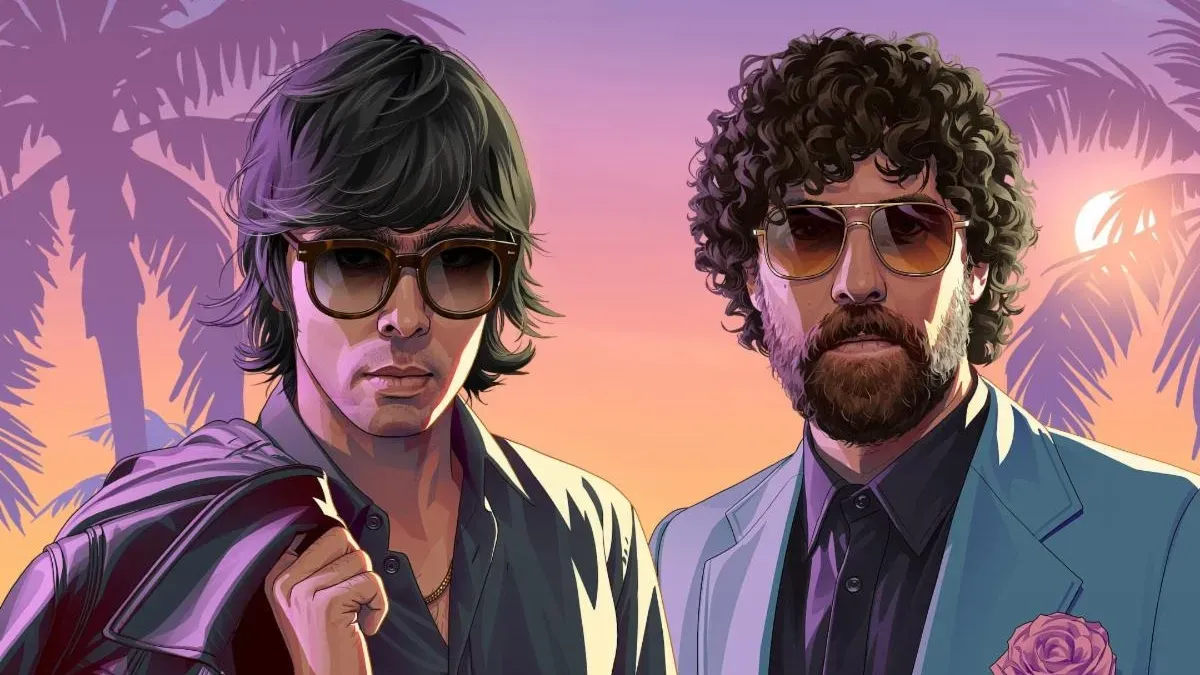
Justice to Score GTA 6, Share New Song with Tame Impala, SZA, King Gizzard
Rockstar taps the French duo for the GTA VI score, and the first taste is a genre-melting collab with Tame Impala, SZA, and King Gizzard & The Lizard Wizard.