

Firefighters went in blind at a $3.2B AI data center. Here's why
A June blaze at TeraWulf's Lake Mariner campus exposed a tangled ownership web that left local crews without safety docs. Who's accountable?
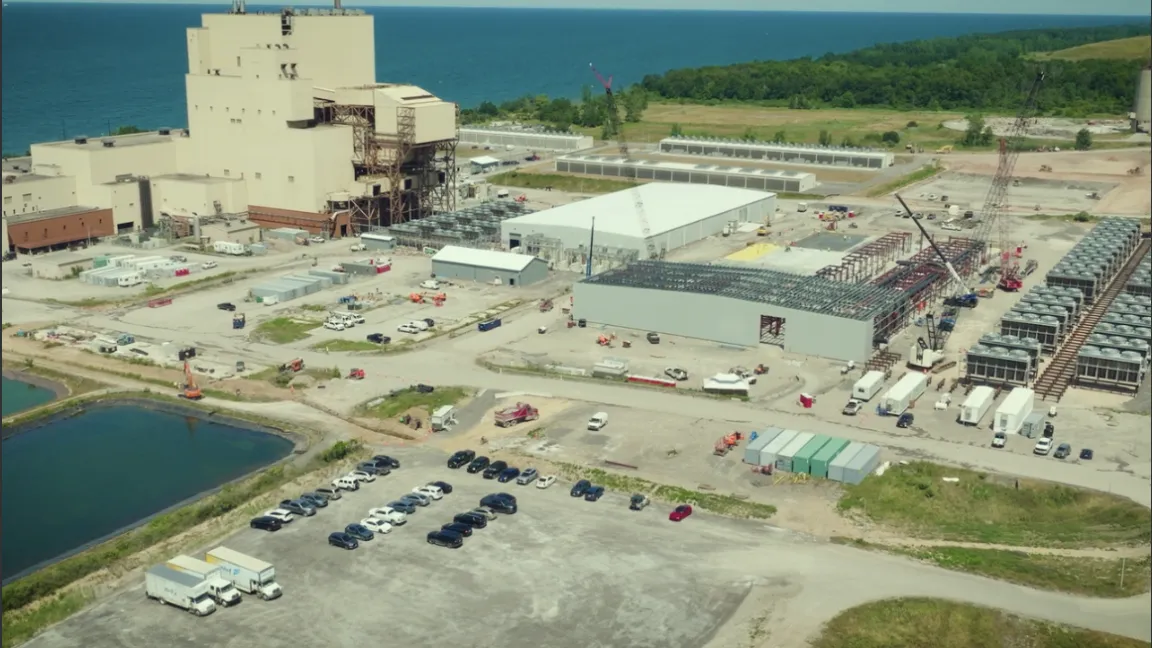
TeraWulf, operator of the $3.2B Lake Mariner data center, faced a June fire that revealed missing safety documentation and a complex web of stakeholders including Google and Anthropic. For decision-makers, the incident shows how fragmented ownership and lease structures can blur accountability for physical and financial risk.
When a fire broke out in early June at the still-unfinished Lake Mariner data center in Somerset, New York, the local fire department walked in "kind of blind," according to Chief Steve Matisz of the Barker Fire Department. Firefighters found no working alarm, no suppression system, and three dead hydrants. The safety documents they are legally entitled to see reportedly burned in the blaze, leaving crews unable to identify the heavy black smoke and chemicals they were facing. Matisz said it has been a difficult situation, and he was not sure what to think about the claim that the safety sheets had burned.
That $3.2 billion campus is one of the largest AI data center buildouts in New York, and it sits on a former coal mine on Lake Ontario. But the fire exposed something more structural than a single faulty system: a corporate web so tangled that accountability is hard to pin down. TeraWulf owns and operates the center on land leased from a company owned by its own CEO. Fluidstack, a UK-based AI company, will run the center. Google holds warrants for a future 14 percent equity stake and has agreed to guarantee Fluidstack's lease payments. Anthropic is among the AI companies whose compute demand the facility exists to serve.
The arrangement is emblematic of how AI infrastructure is being financed and operated in 2025. Hyperscalers like Google are increasingly using warrants and lease guarantees to secure compute capacity without putting the full buildout on their own balance sheets. Specialist operators like TeraWulf bring energy and site expertise, while cloud intermediaries like Fluidstack package the capacity for AI labs like Anthropic. Each layer makes economic sense on its own, but the fire shows what can happen when the layers meet a physical emergency.
For local emergency responders, the immediate problem was information. Fire codes typically require building owners to provide pre-incident plans and material safety data sheets, but those documents reportedly went up in the fire. That left crews guessing about what they were breathing and how to fight the blaze. The incident raises a broader question: as data centers multiply in rural and exurban areas, do local fire departments have the training and access they need? The answer, in this case, was clearly no.
The corporate structure also complicates liability. If a fire, a chemical release, or a structural failure occurs, who is responsible? The owner-operator TeraWulf? The future operator Fluidstack? The landowner, which is controlled by TeraWulf's own CEO? Or the tech giants that have contracted for the capacity? The source does not say how the fire started or who will bear the cost, but the absence of clear answers is itself a risk factor for insurers, lenders, and counterparties.
For executives building or investing in AI infrastructure, the Lake Mariner incident is a reminder that the fastest-growing asset class in tech is also one of the least standardized when it comes to safety and governance. The same complexity that lets a project like this get financed and built quickly can become a liability when something goes wrong. Boards should ask whether their own data center deals have clear lines of accountability for physical risk, not just financial performance.
The fire also underscores the human dimension of the AI buildout. The Barker Fire Department serves a small community on Lake Ontario, and its chief was candid about the difficulty of responding to a facility that had outgrown the information available to him. As data centers continue to be sited near power sources and water, often in rural areas, the gap between the scale of the infrastructure and the capacity of local emergency services is likely to widen.
None of this means the Lake Mariner project is doomed. Google's warrant and lease guarantee signal confidence, and Anthropic's demand for compute is real. But the incident is a useful stress test for the entire sector. The next time a fire, a flood, or a cyber event hits a multi-party data center, the question will not just be who pays. It will be whether anyone was truly in charge.
This story's Key Insights and Take-aways are locked.
Create a free account to unlock Executive Actions for one credit.
Register to UnlockAlways free for Executives Club members. Join the Club
More in Business
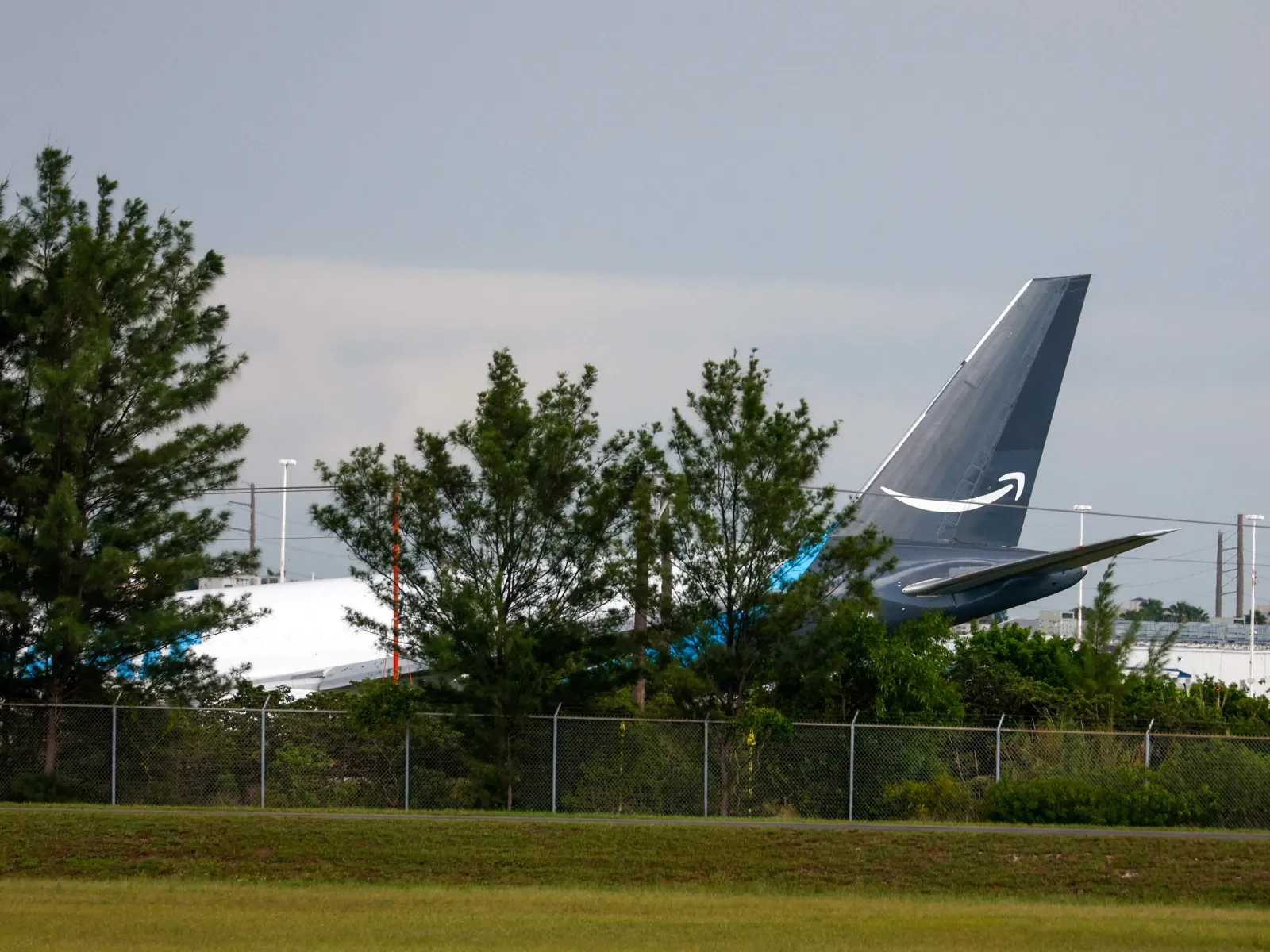
Amazon Prime Air 767 overshoots Miami runway, killing at least 5
The Boeing 767 freighter from San Juan struck vehicles and erupted in flames, prompting a ground stop and a fresh NTSB investigation into Amazon's air cargo network.

Death sentence for TV presenter Sarah Khalifa: Egypt's drug case hits media
The sentencing of Sarah Khalifa and 11 others underscores the severity of Egypt's anti-drug laws and the exposure of public figures to capital punishment.
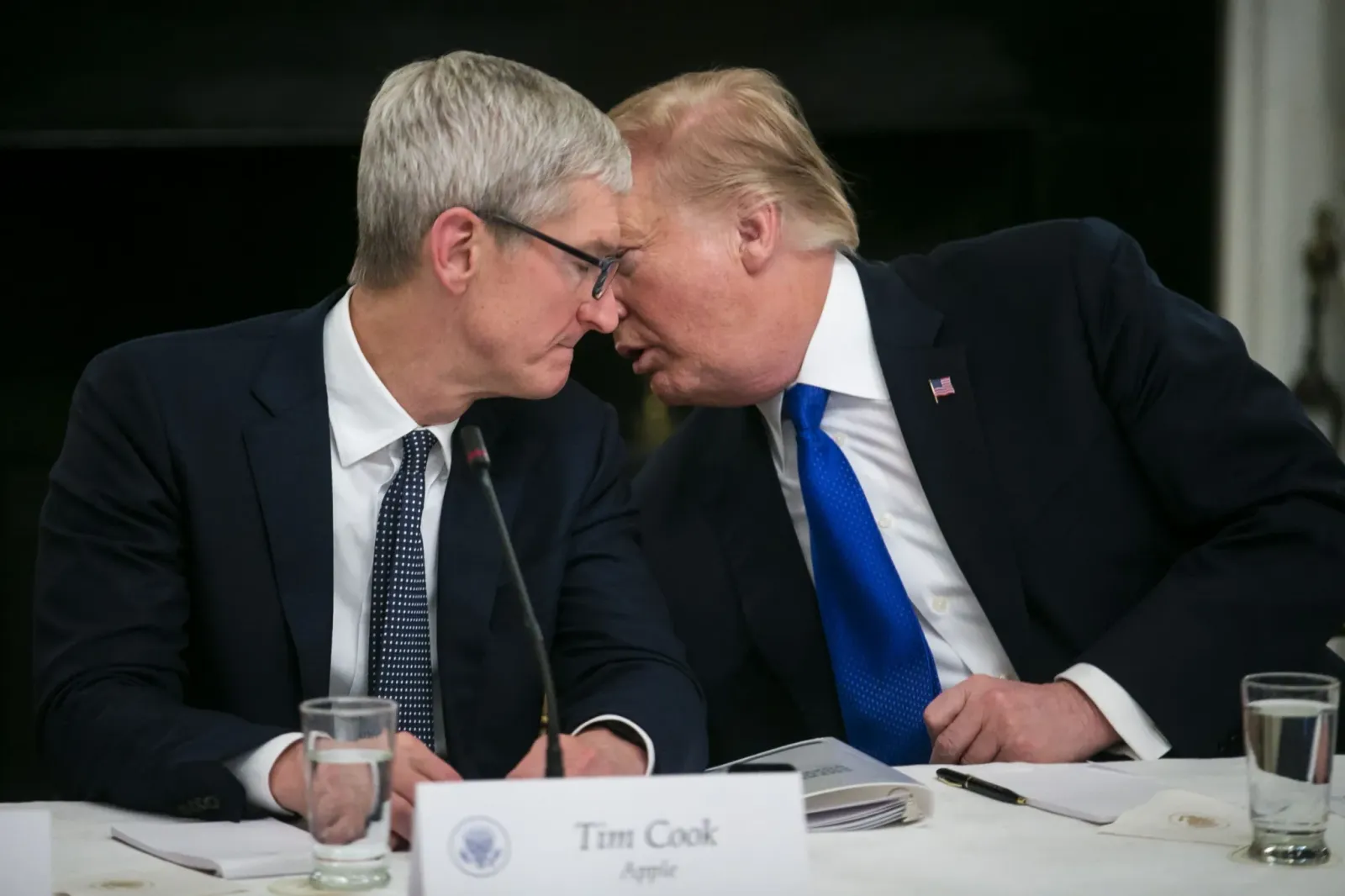
Tim Cook steps down as Apple CEO, stays on as chair with $45M equity
The 'Trump whisperer' keeps his White House and Beijing access as Apple navigates tariffs and a $4.6 trillion market cap.