
Ford stock slips 4.2% as US DOT warns on China ties with CATL, Geely, BYD
Transportation Secretary Sean Duffy's letter to Ford CEO Jim Farley escalates Washington's scrutiny of automaker's Chinese partnerships, with implications for supply chains and national security.
US Transportation Secretary Sean Duffy sent a letter to Ford CEO Jim Farley warning that partnerships with Chinese firms CATL, Geely, and BYD pose national security concerns, prompting a 4.2% drop in Ford's stock. The letter, made public Tuesday, pressures Ford to reconsider its China-linked operations and signals heightened regulatory risk for automakers with similar ties.
Ford Motor Company's stock fell 4.2% on Tuesday after the U.S. Department of Transportation sent a letter to CEO Jim Farley warning that the automaker's partnerships with Chinese firms CATL, Geely, and BYD pose national security concerns. The letter, made public Tuesday but sent late last week, escalates Washington's scrutiny of American automakers' reliance on Chinese technology and manufacturing.
Transportation Secretary Sean Duffy wrote that Ford's partnerships with the Chinese battery maker CATL, automaker Geely, and BYD "challenge the spirit of American national and economic security and supply-chain independence policies." Duffy specifically questioned Ford's arrangement with CATL at its Marshall, Michigan, plant, where it produces lithium-iron-phosphate battery cells, and the company's joint venture with Geely in Spain, which he said "helps strategic adversaries secure a vital foothold in Western markets." He also flagged Ford's talks with BYD on hybrid vehicle parts, warning they "could lead to further subsidized embedding of foreign technology into Ford's core supply chains."
Ford pushed back in a statement, calling Duffy's letter a "wrongheaded attempt to capture headlines at the expense of a company that has done more for American manufacturing than virtually any other in the nation's history." The company emphasized that it works with American workers on American soil and that its partnership with CATL is a "limited technology-licensing and services agreement, not a joint venture or foreign-owned manufacturing operation." Ford also noted that it owns the Marshall plant, controls the operation, and employs 1,700 workers there.
The letter comes amid broader U.S. efforts to decouple from Chinese supply chains. CATL was added to the Department of Defense's banned list in January 2025, before President Donald Trump took office, reflecting bipartisan concern over Chinese dominance in battery technology. Ford had previously announced plans to move production of the Lincoln Nautilus from China to the U.S. by 2030, but Duffy argued that timeline "leaves an unacceptable, multi-year window of reliance on Chinese manufacturing."
For other automakers and suppliers, the letter signals that the Trump administration is willing to use the DOT's authority to pressure companies on China exposure. While Ford's stock drop reflects immediate investor concern, the longer-term risk is regulatory: companies with similar partnerships may face increased compliance burdens, procurement restrictions, or even forced divestitures. The letter also underscores the tension between cost-efficient supply chains and national security priorities, a dilemma facing every global manufacturer.
Ford's response highlights the difficulty of balancing these pressures. The company argues that its U.S. investments and job creation should outweigh concerns about technology licensing. But the administration's framing suggests that even licensing agreements with Chinese firms are viewed as a threat, potentially pushing companies to rethink their entire China strategy. For boards, the takeaway is clear: China-related partnerships are now a board-level risk that requires proactive engagement with regulators, not just legal compliance.
The strategic stakes extend beyond Ford. If the DOT's letter leads to formal action, it could set a precedent for other agencies to scrutinize Chinese ties in critical industries. Automakers like General Motors and Tesla also have varying degrees of exposure to Chinese suppliers and markets. While Tesla operates a factory in Shanghai, its technology is largely proprietary. GM has joint ventures in China but focuses on local production. Ford's case is distinct because it involves licensing technology from CATL, a company already on the Pentagon's blacklist.
For executives in similar positions, the lesson is to anticipate regulatory escalation. The letter was sent quietly but made public, suggesting a deliberate strategy to apply pressure through public opinion and market reaction. Ford's 4.2% stock drop shows that investors are sensitive to these signals. Companies should assess their China dependencies, document their compliance efforts, and engage with regulators early to avoid being caught off guard. The era of frictionless global supply chains is over; national security is now a factor in every major sourcing decision.
This story's Key Insights and Take-aways are locked.
Create a free account to unlock Executive Actions for one credit.
Register to UnlockAlways free for Executives Club members. Join the Club
More in Business
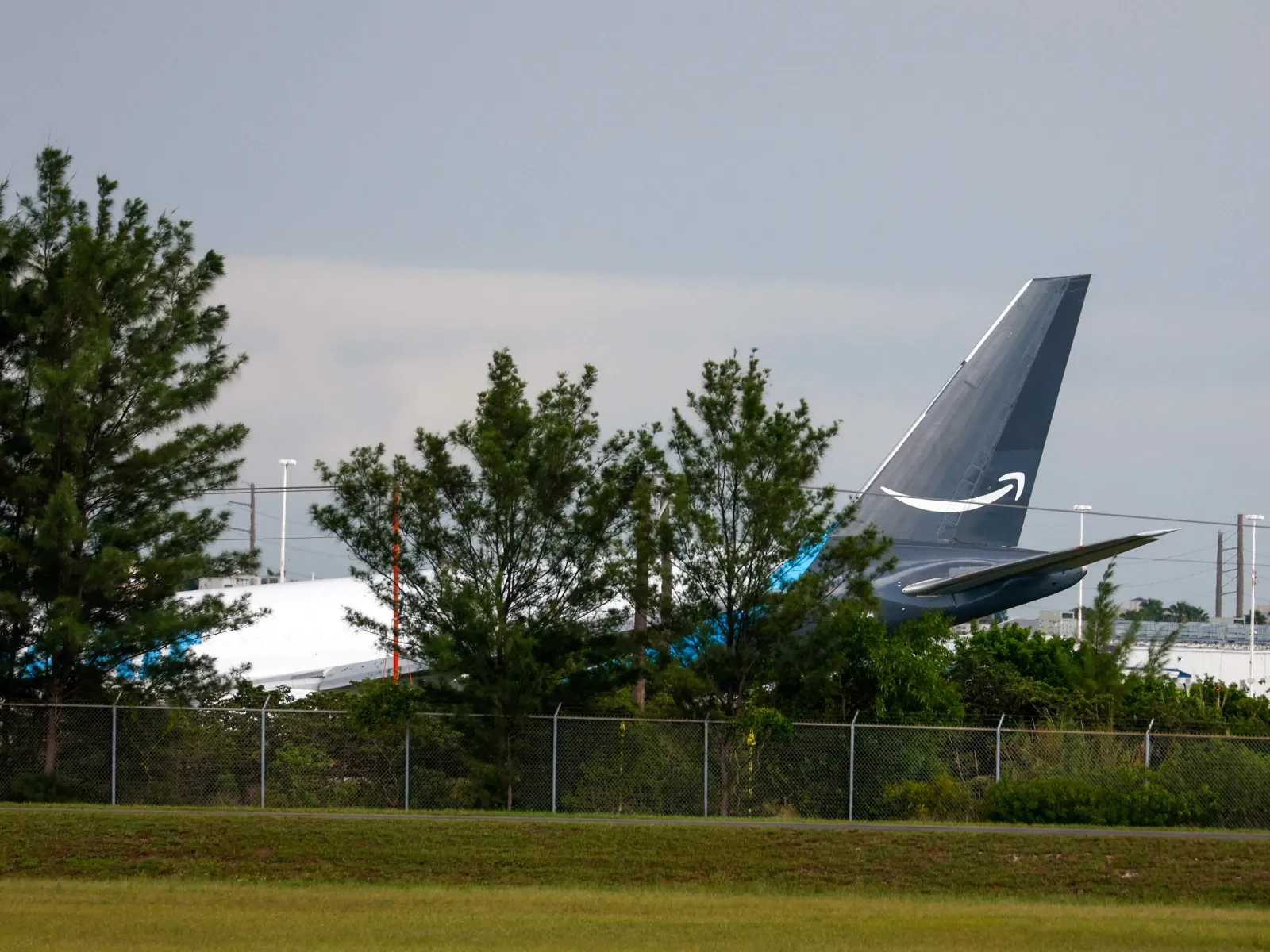
Amazon Prime Air 767 overshoots Miami runway, killing at least 5
The Boeing 767 freighter from San Juan struck vehicles and erupted in flames, prompting a ground stop and a fresh NTSB investigation into Amazon's air cargo network.

Death sentence for TV presenter Sarah Khalifa: Egypt's drug case hits media
The sentencing of Sarah Khalifa and 11 others underscores the severity of Egypt's anti-drug laws and the exposure of public figures to capital punishment.
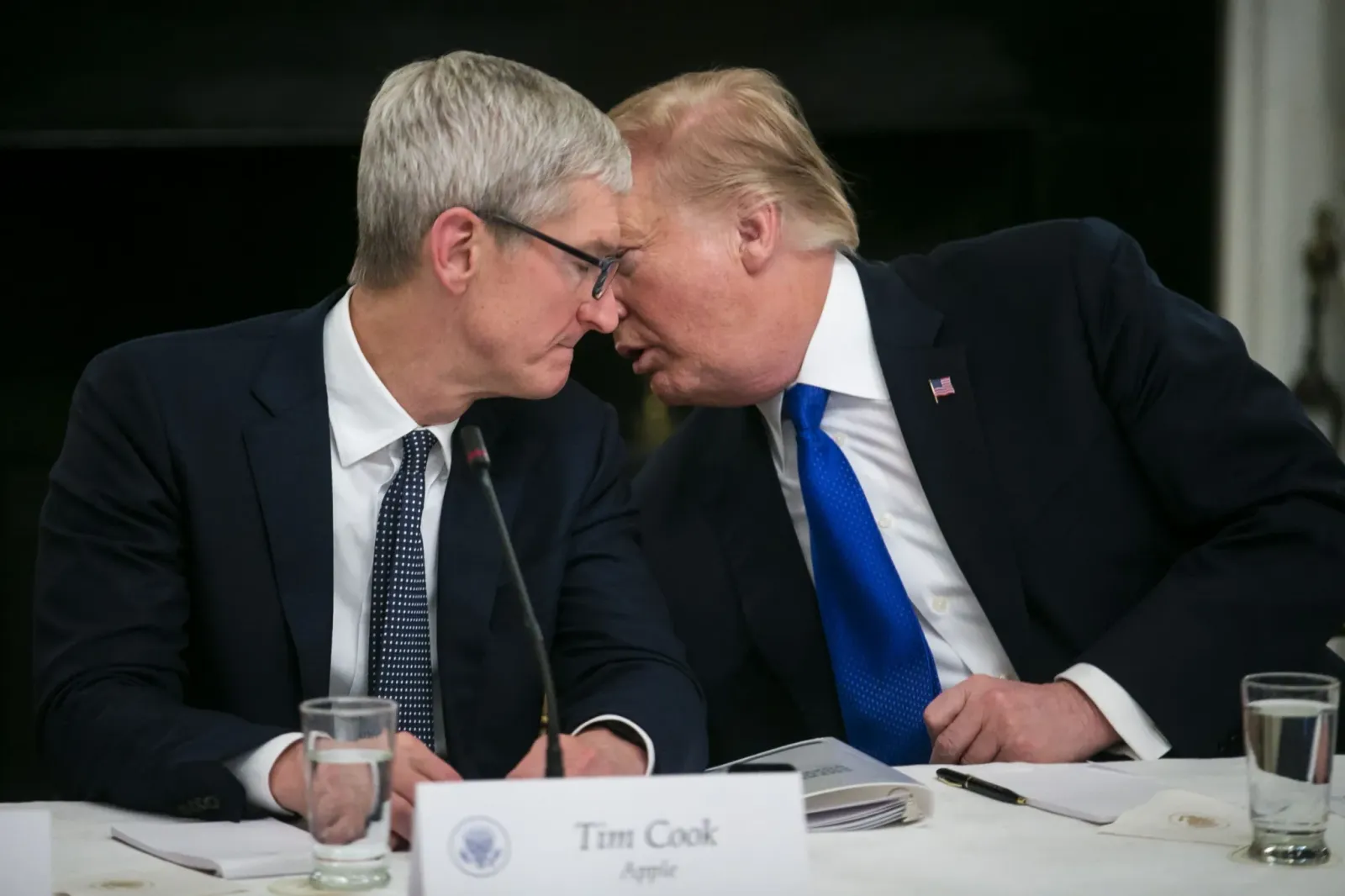
Tim Cook steps down as Apple CEO, stays on as chair with $45M equity
The 'Trump whisperer' keeps his White House and Beijing access as Apple navigates tariffs and a $4.6 trillion market cap.