
Fox agrees to buy Roku for $22B, paying $160.00 per share
What looks like a simple streaming bet is actually a $22 billion corporate reshuffle with board and regulatory gravity.
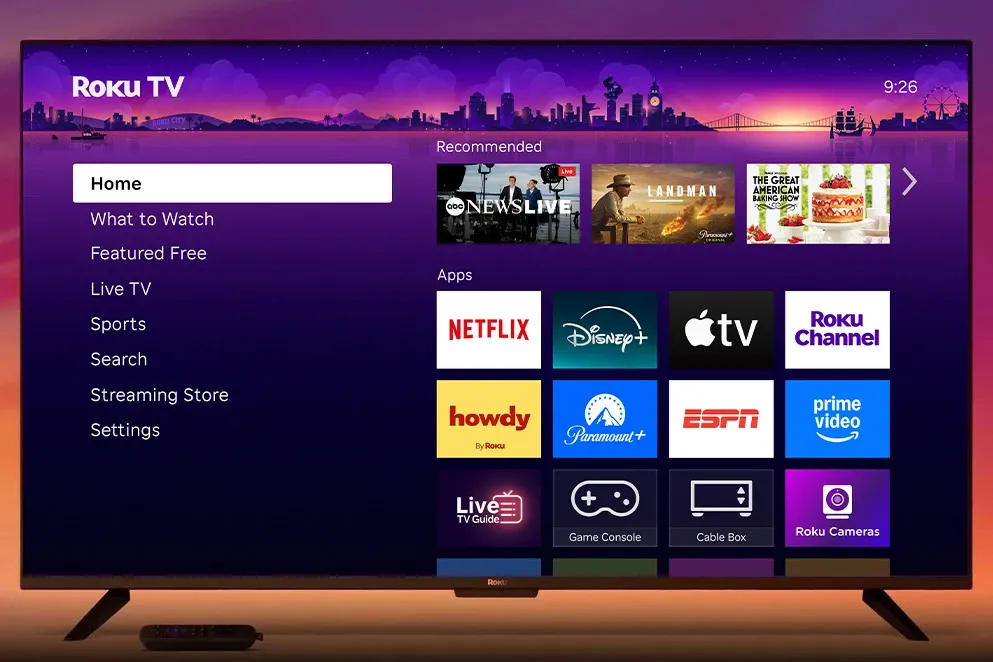
Fox Corp. announced Monday it agreed to acquire Roku for $160.00 per share in a combination of cash and Fox Class A common stock, valuing Roku at $22 billion. The deal forces media and streaming executives to rethink consolidation, control of distribution, and how regulators may view cross-platform power.
Fox Corp. just set a very loud marker in streaming consolidation: it agreed to buy Roku in a deal that values the streaming platform at $22 billion. The price is $160.00 per share, and Fox is paying using a combination of cash and Fox Class A common stock, according to Fox’s Monday announcement.
That headline number matters because $22 billion is not a “nice-to-have” acquisition price. It is the kind of figure that changes how decision-makers think about the next 3 to 5 years of revenue streams, bargaining power with advertisers, and who controls audience access. When an acquirer uses both cash and stock, it is also telling you something about capital strategy and risk appetite. Cash lowers the immediate dilution pain. Stock ties the outcome to the future performance of Fox Class A. Either way, shareholders are signing up for a long arc, not a short-term trade.
So what exactly is Fox buying? A streaming platform with a distribution role that matters to how viewers find content and how advertisers reach them. In most markets, streaming growth is not evenly distributed across players. Some companies own content. Some own subscriptions. Others sit between viewers and screens, shaping discovery and ad impressions. Roku historically has been positioned in that “platform/distribution” layer, and a deal like this suggests Fox wants more direct leverage over that layer rather than relying solely on partners.
For executives, the incentive math is straightforward, even if the implementation is anything but. If Fox can tighten the pipeline from viewer to ad to content, it can potentially improve margins and reduce dependence on third-party distribution. But the second-order effect is that the acquisition also increases operational complexity. Roku’s technology, product roadmap, and platform relationships become part of Fox’s portfolio. That means integration choices will show up in performance sooner than people expect: ad products, measurement, user experience, and content partnerships all become executive work, not just corporate strategy.
There is also a governance and board dimension hiding inside the headline. Deals of this size typically involve intense scrutiny by boards, because acquirers are not just buying growth. They are buying risk. The price of $160.00 per share anchors the market’s expectation of value. If the combined company underperforms, it is not abstract disappointment. It is a tangible hit to investor confidence, and it becomes a corporate credibility test for leadership. On the flip side, if Fox’s bet works, the stock-and-cash mix can look prescient rather than reckless.
Regulatory framing is another reason this deal is more than a financial headline. Any large media and distribution transaction can attract attention from antitrust and media regulators, especially when it combines distribution influence across platforms. The core question for regulators is usually whether the combined entity can restrict competition, influence pricing power, or disadvantage rivals in ways that harm consumers and advertisers. Even without inventing anything about regulators’ views, the reality is that a $22 billion transaction rarely sails through unnoticed. The larger the valuation and the more central the platform role, the more likely regulators will take a close look.
Then there is the competitive reaction. In streaming, “someone buys Roku” is not just news for Fox and Roku shareholders. It is a signal to the entire ecosystem that platform consolidation is accelerating, and that distribution leverage is becoming a board-level priority. Competitors will consider their own defensibility: do they partner from strength, acquire from scale, or differentiate from user experience? For executives across cable-adjacent, platform, and content businesses, this kind of deal recalibrates what investors will treat as “strategic” versus “optional.”
For decision-makers trying to map the implications, the deal’s mechanics offer a clue about urgency. Fox is moving with a defined per-share price, announced Monday, with a specified consideration structure. That reduces ambiguity for shareholders and forces the market to price the integration timeline and expected synergies. In other words, the purchase price is not the end of the story. It is the starting pistol for negotiation dynamics, investor scrutiny, and post-deal execution.
Bottom line: Fox’s agreement to acquire Roku for $160.00 per share, valuing the company at $22 billion, is a strategic shift that turns streaming distribution from an external dependency into an owned asset. For peers, the stakes are immediate. If Fox succeeds, it strengthens the case that platform control and audience access will belong to the companies that can package technology, advertising, and content discovery into one operating system. If it stumbles, it becomes a cautionary tale about paying a premium for distribution leverage in a market that never stops moving.
This story's Key Insights and Take-aways are locked.
Create a free account to unlock Executive Actions for one credit.
Register to UnlockAlways free for Executives Club members. Join the Club
More in Business

Apple unveils first foldable iPhone Duo with 7.6-inch display under new CEO Ternus
Apple's first foldable, the iPhone Duo, marks a major product bet for new CEO John Ternus, with a 7.6-inch unfolded screen.
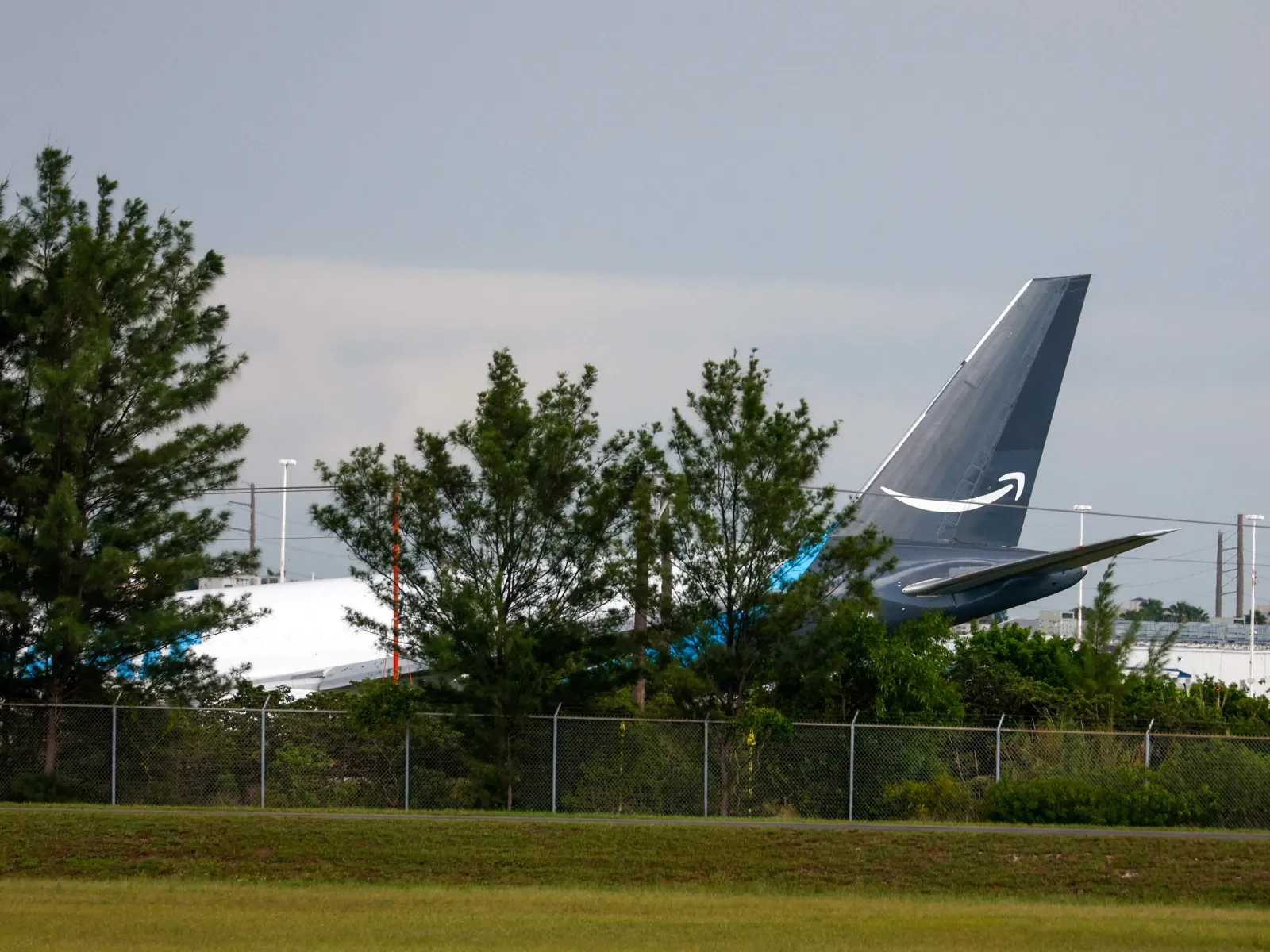
Amazon Prime Air 767 overshoots Miami runway, killing at least 5
The Boeing 767 freighter from San Juan struck vehicles and erupted in flames, prompting a ground stop and a fresh NTSB investigation into Amazon's air cargo network.
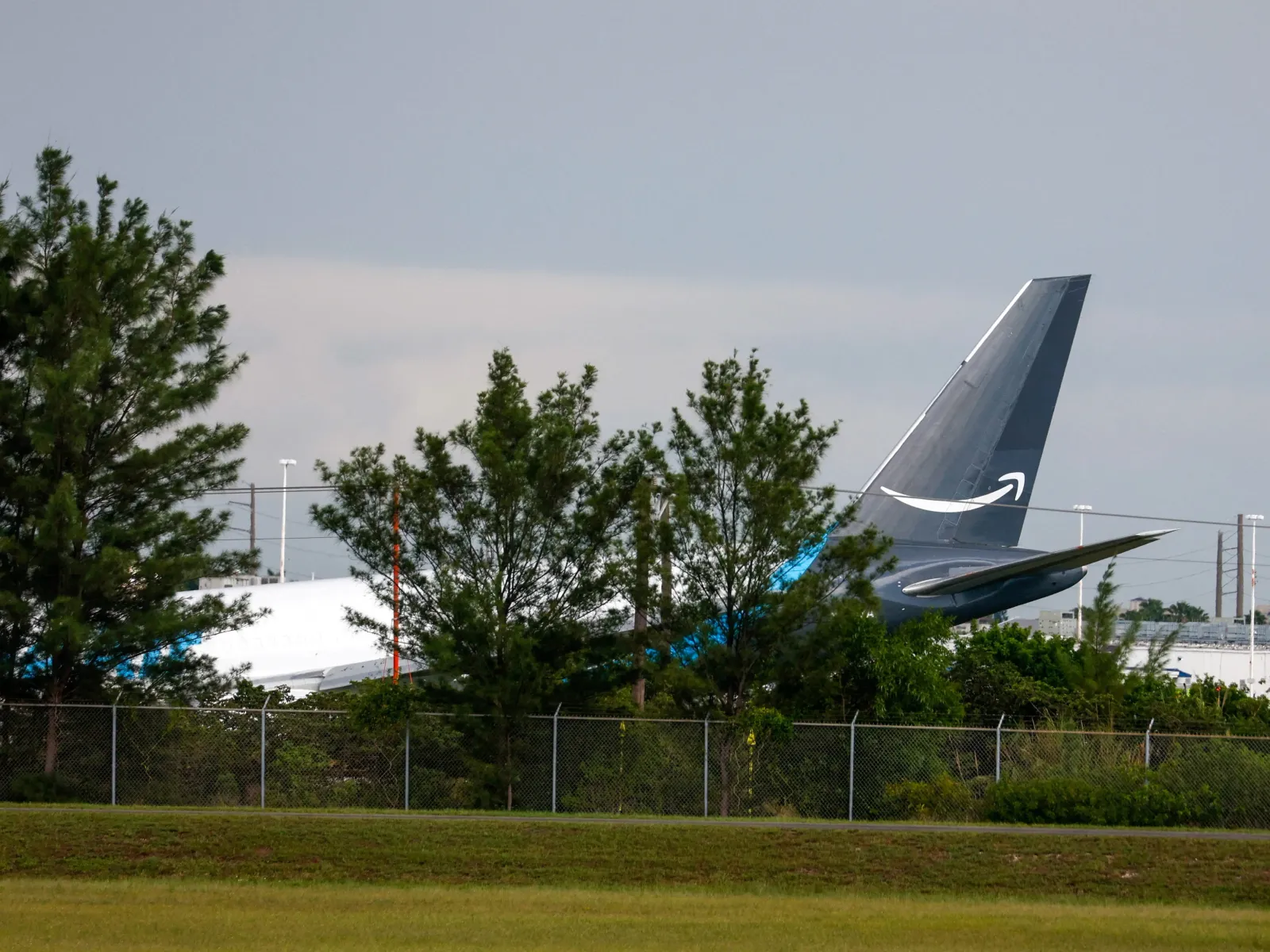
Amazon Prime Air 767 overshoots Miami runway, strikes vehicles, catches fire
The Boeing 767, operated by 21 Air, was arriving from San Juan when it overshot the runway, triggering a ground stop and multiple injuries.