

FOX and Toonstar build a new animation-studio pipeline for brands and creators
A partnership reframes digital-first animation funding, giving creators bigger budgets, wider distribution, and faster monetization.
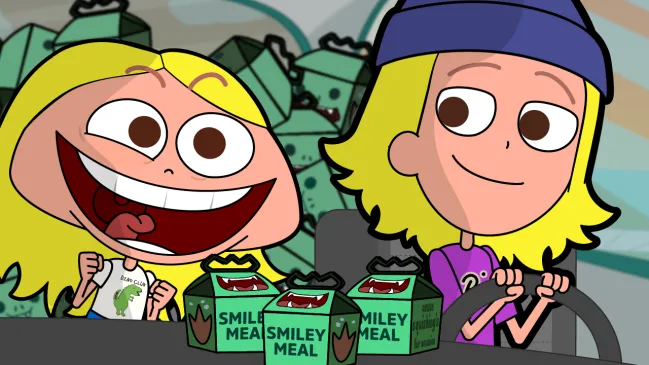
FOX and Toonstar are partnering to treat brands and creators as the next animation-studio engine, not just production partners. For decision-makers, the deal shifts how digital-first animated franchises can be financed and monetized.
FOX and Toonstar are pairing brands and creators with a deal designed to look more like a studio pipeline than a typical content partnership. IndieWire frames the collaboration around two linked promises: brands get new ways to fund digital-first animated franchises, and creators get a route to bigger budgets, broader distribution, and faster monetization.
That combination matters because it attacks the two bottlenecks that usually slow down digital animation. On the brand side, funding is hard when the go-to-market is uncertain, audience behavior changes quickly, and traditional studio economics do not always map neatly to internet-native distribution. On the creator side, it is often the opposite problem: talent can move fast and build audiences, but scaling to “studio-like” budgets and distribution reach typically requires more capital, more partners, and more time than a creator has.
In this partnership, the logic is that brands can underwrite franchise building without having to directly recreate the end-to-end studio machine. For creators, the payoff is capital plus distribution, packaged as a path toward larger budgets and quicker monetization. IndieWire’s summary is blunt about the direction: the deal offers brands “new ways to fund” digital-first animated franchises, while offering creators “a path to bigger budgets, broader distribution, and faster monetization.” If you are evaluating the strategic value, the question is not whether creators can make content. It is whether they can scale it into repeatable franchise economics, and whether brands can invest in that scaling with more confidence.
Zoom out and the structure is a sign of where animation and entertainment investment are heading. Digital-first is not just a marketing label anymore. It is a production and distribution model, often with audiences forming outside the traditional gatekeeping sequence. That creates a real incentive for brands to seek scalable formats that can travel across platforms quickly. It also creates a parallel incentive for platforms and distributors to ensure creators can reliably deliver content at a pace that matches audience attention.
There is also a board-level incentive embedded in the promise of “faster monetization.” Even when executives are not saying the quiet part out loud, monetization speed is often a proxy for reduced burn, lower forecasting risk, and more leverage in negotiations with distribution partners. Faster cash flow can mean fewer production pauses, more predictable staffing, and stronger bargaining positions when planning follow-on episodes, seasons, or franchise extensions.
Regulatory and governance context matters here even when the headlines do not mention regulators. Entertainment partnerships are increasingly shaped by cross-border content flows, platform policies, and copyright and rights management realities. In practice, deals like this often require tight definitions of who controls distribution windows, who owns or licenses underlying intellectual property, and how revenue is shared once content starts generating. IndieWire does not add specific regulatory details in the provided source, but the second-order takeaway for executives is straightforward: when you build a “studio” model out of brands and creators, you also build a more complex rights and revenue structure. That complexity is usually manageable, but only if the partnership contract makes it hard to fight later.
From a competitive standpoint, FOX and Toonstar positioning is a direct response to the gap between creator momentum and studio resources. The partnership suggests that the next wave of animation studios will look less like one vertically integrated production factory and more like an alliance with clear incentives. Brands bring funding and distribution muscle. Creators bring speed, audience connection, and the creative engine. The studio-like promise is that the whole system should be more than the sum of its parts, especially for digital-first franchises.
For decision-makers in similar roles, the strategic stake is whether your company can participate in these economics without being locked out of the creative pipeline. If you are a brand executive, you need clarity on how funding translates into ownership, distribution reach, and monetization timing. If you are an operator or investor, you should be watching whether partnerships like this create repeatable, franchise-grade outputs rather than one-off hits. And if you are a creator or talent strategist, the key question is whether “bigger budgets, broader distribution, and faster monetization” becomes real through actual contracting and delivery cycles, not just partnership announcements.
This story's Key Insights and Take-aways are locked.
Create a free account to unlock Executive Actions for one credit.
Register to UnlockAlways free for Executives Club members. Join the Club
More in Entertainment

Russell Brand's accuser 'bewildered and confused' as he denies 7 sex charges
The criminal case against the comedian is a live test of how media companies manage talent risk when serious allegations go public.

'It's a Magic Trick': Ballet Experts Say Rosalía's SNL Pose Is Impossible
Three ballet experts tell Rolling Stone Rosalía's gravity-defying SNL stillness shouldn't be possible - and why the debate is now part of the show.

Activision CMO: GTA 6 Will Boost Call of Duty, Not Bury It
Activision's top marketer says Rockstar's blockbuster will drive players back to consoles and into Modern Warfare 4, even as the company admits its recent strategy failed.