

Fox buys Roku for $22 billion, and creators get a new free-TV megaphone
Tubi plus Roku Channel could turn FAST into a creator-first “TV distribution” machine, not just another screen.
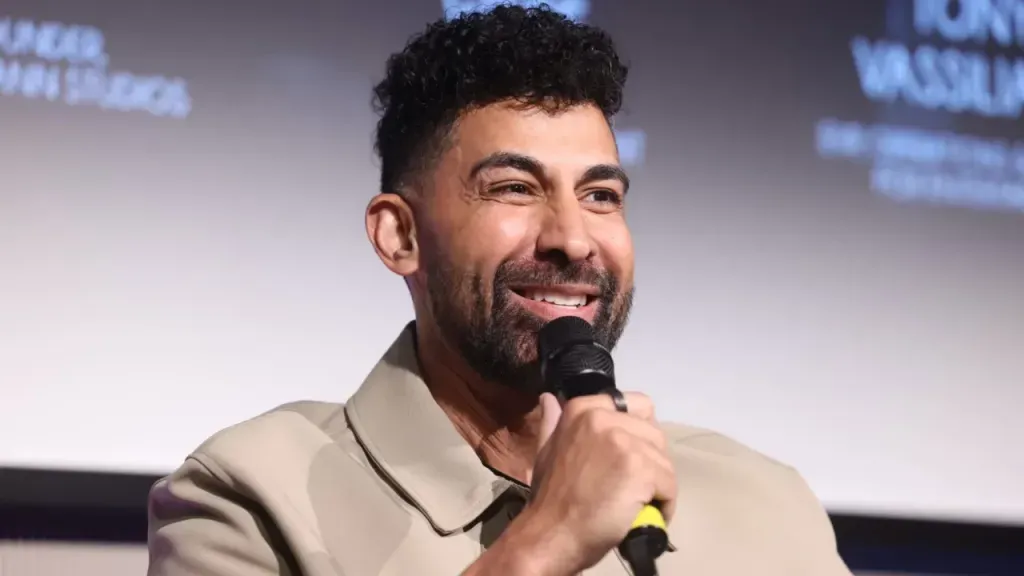
Fox is buying Roku for $22 billion, adding Roku Channel to Fox’s existing free ad-supported TV stack via Tubi and Fox Creator Studios. For decision-makers, this signals a shift toward creator libraries becoming scalable FAST programming across connected TV.
Fox is set to buy Roku for $22 billion, and the most interesting part for creators might not be the usual suspects. The deal matters because it bundles two of the biggest free ad-supported TV ecosystems: Fox’s Tubi and Roku’s Roku Channel. Together, they create a larger, more creator-receptive distribution platform in the FAST universe, where viewers watch and creators can get paid for content that already has a track record.
Why now? Because FAST is one of the more aggressive mediums for courting creators, and the Fox-Roku combination gives creators a clearer path to “traditional TV” scale without being trapped on YouTube or TikTok. TheWrap reports that Fox is already positioning itself that way through its Fox Creator Studios experience and its ongoing emphasis on creators. Kurt Stadelman, vice president of talent management at creator marketing partner Pearpop, told TheWrap the acquisition is “a positive for creators,” arguing that consolidation is coming as major media companies try to combine distribution with content and production, both original programming and licensing of popular creator content.
If you are a creator, the real opportunity is simple: your library gets a second life. On YouTube and social, videos can have a “shelf life,” and as Stadelman frames it, once the window for recent videos ends, creators may stop earning much from them over time. Licensing those older, proven videos to a streamer changes the math. FAST platforms often want “lean-back” programming that feels at home on cable channels like Food Network or TLC, and licensing is a comparatively cheap way to fill the lineup with shows that already found an audience.
This is also where connected TV hardware and device bundling become more than background noise. FAST services frequently ride on the TV interface itself, so distribution is baked in. The Roku Channel comes free with Roku platforms, and Samsung TV Plus comes free with Samsung smart TVs. Fox has its own advantages here too, but the Roku side is a reminder that discoverability on the living room screen is not the same as discoverability on a phone. FAST platforms are often able to keep a steady flow of programming because they do not require the same level of front-loaded production risk as brand-new scripted series.
Roku has already been active in this ecosystem for years. Since 2015, Roku has aired content from digital creators through partnerships with companies like Buzzfeed. More recently, the creator roster has expanded with major names including MrBeast, Alan Chikin Chow, and Hot Ones, plus content from iShowSpeed and Jesser, with the Stokes Twins “coming in the near future,” according to TheWrap. That matters because it shows FAST is not a theory. It is a pipeline that can turn digital audiences into TV-sized inventory.
One reason this is accelerating is that TV viewers and creators have been moving toward each other, at least technologically. The Wrap notes that by 2024, YouTube had established itself as the most-watched streamer in the living room and offered tools to creators to help them make content for TVs. Those changes included letting creators upload videos in 4K, making thumbnails look more like tiles on streaming services, and simplifying subscriptions via TVs. The outcome, per TheWrap, was measurable: 4K uploads increased by 35%, channel subscriptions through TVs increased by 40%, and creator revenue from TV-viewed content rose over 30%.
Also, a cottage industry has emerged to “TV-ize” creator content for streaming platforms. Companies like pocket.watch adapt creator videos for TV by stringing shorter clips into a half hour or hourlong episode, removing branding, inserting natural commercial breaks, and ensuring content meets each streamer’s standards and practices. That conversion is often far less expensive than creating a new show from scratch, and it leverages the evidence of prior performance. If a clip has already garnered 5 million views on YouTube, FAST platforms can treat it as a lower-risk bet than a totally untested format.
From the platform side, partners describe the working model as a vetting and incubation process, not just a content deal. Takashi Nakano, vice president of content and programming for Samsung TV Plus, told TheWrap that these companies are vertically integrated, like Roku, and that evolving television ecosystem thinking is about having touch points across users, viewers, media, and entertainment. He also says Samsung looks for creators who are “television quality,” whether they can do well on TV, produce for television, and align with long-term objectives. The throughline for creators: being on digital platforms is often fun, but “10-foot TV” is where many want to end up.
This is where Fox’s acquisition looks especially strategic. TheWrap reports that Fox is building itself into a go-to destination for creators wanting to expand beyond social, by combining distribution, creator relationships, and content capabilities. And on the audience side, creators become more willing to collaborate because intellectual property control remains crucial. Nakano contrasts this with creators acting like talent; instead, licensing partnerships often make creators more like partners, which can lead to promotion, joint projects, and more willingness to reshape content to fit TV formats. The article points to Dhar Mann as an example of work becoming more TV-friendly through collaboration with Samsung, and it notes that even the Jonas Brothers were more open once treated as creative partners rather than just talent. Representatives for Fox and Roku did not respond to TheWrap’s request for comment.
For executives and board members at media and distribution companies, the stakes are bigger than “more screens.” The Wrap includes viewership positioning from Nielsen: in the most recent month that Nielsen released its monthly Gauge viewership results, Roku accounted for 3% of all TV viewership, placing it fifth largest streamer and ahead of Paramount+, Peacock, Warner Bros. Discovery, and the Fox-owned Tubi. During that same month, Fox was the sixth biggest media company in terms of total TV usage by media company. Even if you do not obsess over market share, the direction is clear: free, device-adjacent TV is becoming a serious distribution lane, and consolidation is turning it into an ecosystem play. In that world, creators with large libraries and longer-form content are not just side characters. They are inventory that grows with you.
This story's Key Insights and Take-aways are locked.
Create a free account to unlock Executive Actions for one credit.
Register to UnlockAlways free for Executives Club members. Join the Club
More in Business

Anthropic’s Levant Alpöge cracks the Jacobian conjecture after 87 years
A Harvard valedictorian used Claude to hit a 1939 breakthrough, but the missing “why” is the real problem.

Uber buys Delivery Hero for nearly $15B, vaulting to top food delivery outside China
The deal doubles Uber's dual-services footprint and pushes a ride-and-eats bundling play into 50 more markets.

Epic and Google drop settlement bid, forcing rival Android app stores by July 22
Google told the court it is ready to carry third-party app stores starting Wednesday, July 22.