

Framework delays Laptop 13 Pro by a month, shifting July buyers into August
The first Laptop 13 Pro batch now ships in July, with later batches potentially slipping into early September.
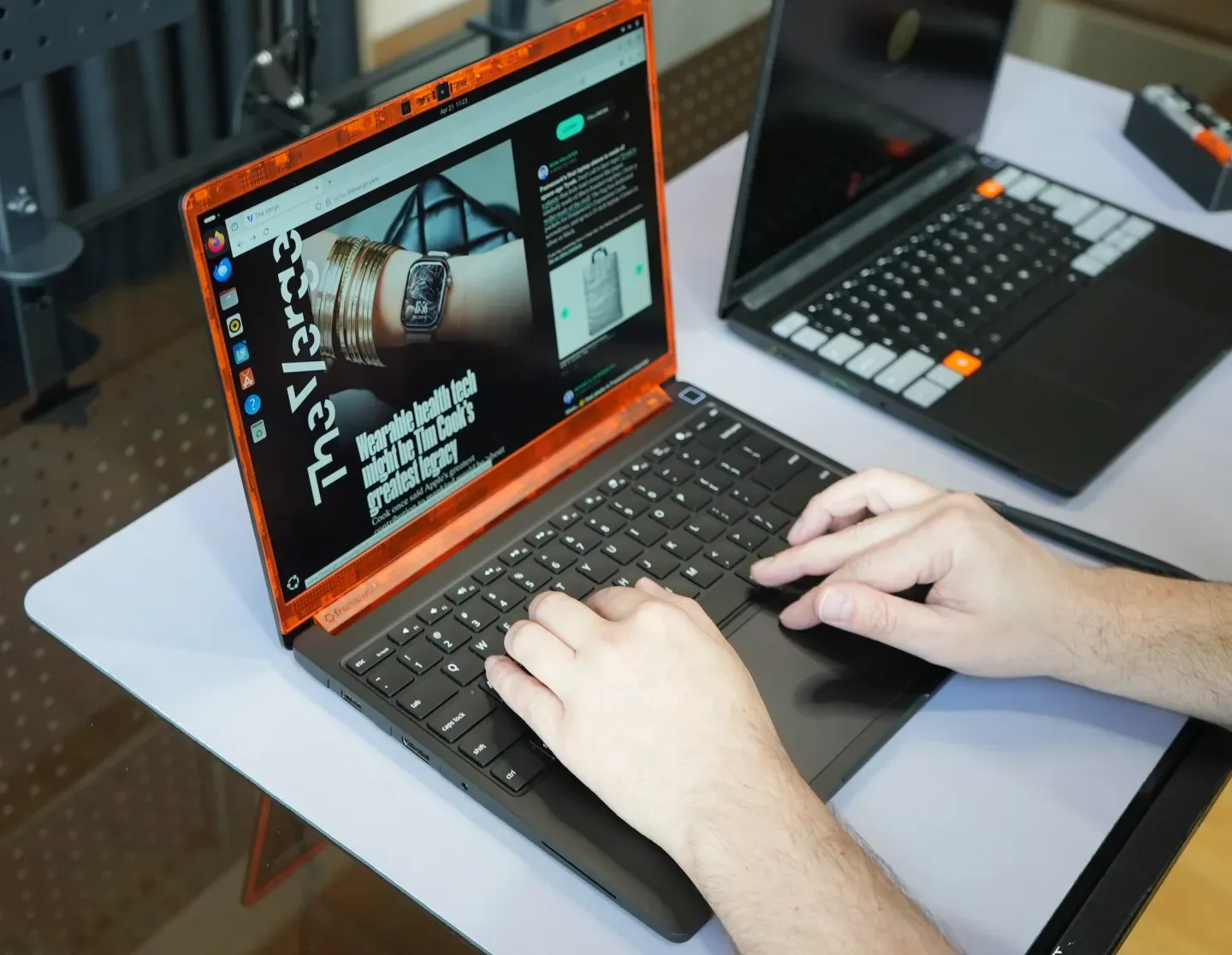
Framework is pushing back shipments of its new 13-inch Framework Laptop 13 Pro by about a month. The delay, tied to the new haptic trackpad and custom display, changes delivery expectations for preorder customers and complicates planning for anyone relying on the launch timeline.
Framework’s first batch of Laptop 13 Pro shipments is delayed by about a month. What was originally set for June is now expected to ship in July, with some orders still potentially slipping to early August. And if you are not in that first batch, your Laptop 13 Pro timeline moves from “July” to “August,” with some shipments possibly stretching to early September.
Framework told preordered customers about the change via email, explaining the delay and pointing to two specific components driving the extra wait: the new haptic trackpad and the custom display. That matters because this is not a vague schedule wobble. It is a delivery shift caused by the kind of hardware choices that directly affect manufacturing complexity, component readiness, and quality validation.
To understand why a one-month slip can feel like a bigger deal than it sounds, look at how Laptop refresh cycles tend to work for buyers. For individuals, a delay can mean missing a travel window or having to make do with an older device for another month. For organizations, even a modest schedule shift can ripple into procurement timing, rollout plans, and internal hardware standards. That is especially true for devices with meaningful differentiators, like Framework’s approach: customers are not just buying a laptop. They are buying a platform.
Framework’s mention of a “new haptic trackpad” is the most direct clue to what can go sideways in production. Haptics add a layer of electromechanical behavior that has to feel consistent, not just function at all. If the feel is off across units, or the control signals do not align with expected performance, quality teams need additional validation runs. Likewise, “custom display” is a broad phrase that can hide many tight constraints, from panel sourcing and calibration to compatibility testing with the laptop’s broader system.
This delay also lands in the real-world environment where consumer hardware schedules are already under pressure. The industry has spent the last few years living through supply volatility, shifting component availability, and the constant tradeoff between “ship on time” and “ship right.” When a company designs a laptop with differentiated, sometimes less commoditized parts, the calendar becomes more fragile. In that context, Framework’s approach of email-notifying preorder customers is a small but telling move: it suggests the company wants to reduce churn by resetting expectations early, rather than letting misinformation or rumors force customers to interpret the silence.
There is also a second-order implication for decision-makers watching Framework, even if they are not buying one. If you run a hardware business, or you partner with one, the delivery timeline is not just an ops issue. It becomes a credibility and planning issue. Preorders create their own dynamic: customers commit money and expectations ahead of time. That makes it riskier to “under-communicate” about delays. By naming the haptic trackpad and custom display, Framework is effectively narrowing the problem to two places, which can help customers and partners understand that this is not a systemic failure. It is a component-driven schedule adjustment.
What makes the timeline even more consequential is the way it changes based on batch inclusion. Framework is essentially creating a tiered wait: first-batch buyers should see shipments in July, while later preorder customers shift from a July shipment to August. But it is not clean. Some shipments could slip to early August even within that first batch. For those outside it, some orders could be as late as early September. That structure tells you the company is managing production throughput in steps, likely depending on how quickly the bottleneck components stabilize.
For founders, investors, and operators tracking the “next wave” of laptops, this is a reminder that even the most interesting hardware stories still live or die on the boring middle. The main differentiators are real, but they are also the parts that require extra engineering, extra testing, and extra coordination with suppliers. Framework is being explicit about why the extra wait exists, and that is useful. Still, buyers and partners now need to re-plan around July for the first batch and an expanded window that can run into August and early September.
This story's Key Insights and Take-aways are locked.
Create a free account to unlock Executive Actions for one credit.
Register to UnlockAlways free for Executives Club members. Join the Club
More in Technology

OpenAI says 10,000 agents cracked a 90-year math problem in 88 hours
The company's claim is audacious, but one mathematician is pushing back. Here's what it means for AI-driven discovery.
Meta still serves child sexual abuse ads on Instagram in India - BBC report
A new report following the BBC Eye investigation says the ads are still there - what it signals for every platform with a self-serve ad engine.

White House yanks 'Build the Wall' game after Tetris Company copyright warning
The administration's arcade game vanished in hours - and the takedown playbook every brand can learn from.