
Framework Ventures raises $400M for its fourth fund, pushing beyond crypto into frontier tech
The VC’s latest checkbook addition signals how crypto-first investors are reallocating attention as AI, robotics, and energy heat up.
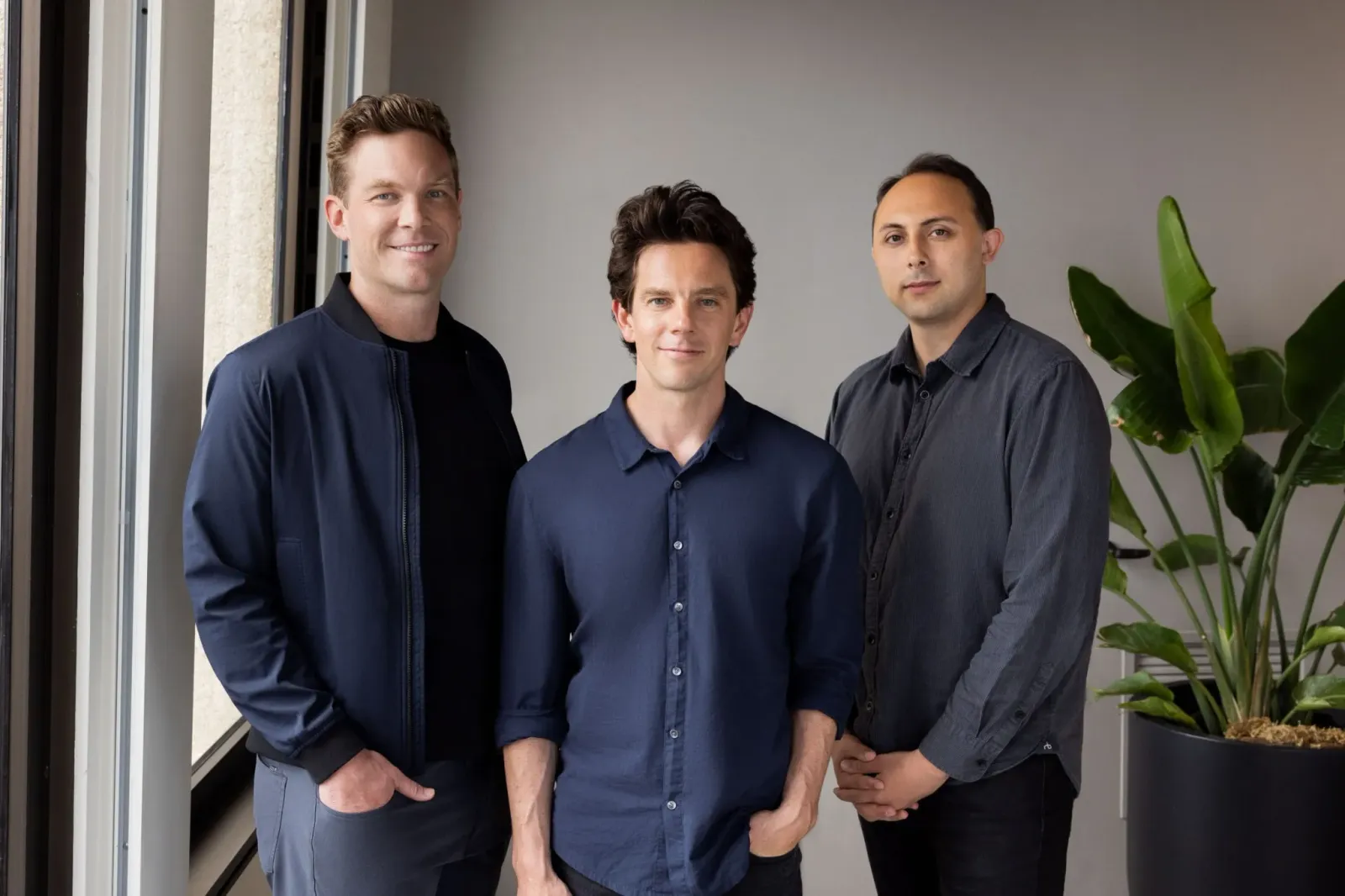
Framework Ventures, led by cofounders Vance Spencer and Michael Anderson, raised $400 million for its fourth fund. The move matters to investors and operators because it ties digital-asset capital to a broader “frontier technology” strategy, not a crypto-only thesis.
Framework Ventures just raised $400 million for its fourth fund, and it is not positioning it as a crypto sequel. Instead, the San Francisco VC says it will deploy the new capital into what cofounders Vance Spencer and Michael Anderson described as “frontier technology,” a bucket that includes crypto but also AI, robotics, and energy.
This is the part decision-makers should notice: Framework is doing the “move capital where founder networks are going” thing, and it is happening while the crypto market has cooled. The firm reported $1.28 billion in assets under management in December 2025, according to an SEC filing, and now it has about $400 million more to work with, with Anderson saying the fund has already deployed about half of the fourth stash of capital.
Why this timing is interesting is simple. Over the past eight months, crypto has petered out, with Bitcoin approaching lows not seen since 2024 after having boomed shortly after President Donald Trump won the election. At the same time, AI companies like Anthropic and OpenAI have continued to balloon in valuation. So the industry is not just swapping headlines from “token” to “model.” It is reallocating risk appetite and attention across categories that might generate the kind of historic returns VCs often chase when the leading AI labs eventually IPO.
Framework’s backers are also telling a broader story about where money wants to sit. Spencer and Anderson declined to name their limited partners, but they did say contributors to the fourth fund include funds of funds, an Ivy League endowment, sovereign wealth funds, and nonprofits. That matters because it suggests the thesis is not only for the crypto-native crowd. The capital stack here is the kind of structure that can outlast cycles, which gives the firm room to invest beyond whatever is hottest in the moment.
And the firm has a “why us” credibility card to play. Launched in 2019, Framework made its name as an early backer of protocols in DeFi, decentralized finance. Spencer and Anderson were alumni of Big Tech firms, Netflix and Snapchat respectively, but they also quickly won over crypto’s anonymous “degens,” industry slang for degenerate traders. Their early bets included the crypto lender Aave and the blockchain data network Chainlink, both of which have grown into dominant protocols in DeFi. Those wins can buy trust when you pivot, or at least when you expand.
But Framework is not the only one making the mandate wider. Paradigm, one of the largest digital asset VCs, is reportedly raising as much as $1.5 billion for a new fund that will focus on crypto alongside AI and robotics. Haun Ventures, founded by a former partner at Andreessen Horowitz’s crypto arm, raised $1 billion for a second fund targeting not only blockchain but also AI, financial services, and alternative assets. In other words, Framework’s fourth fund sits in a peer group that is redefining what “crypto investing” means in practice.
For operators and founders, the strategic subtext is that capital is chasing “frontier tech” themes while staying fluent in crypto infrastructure. Framework’s non-crypto bets already include the robotics data startup Mecka AI and a stake in the public mortgage issuer Better.com. It is also continuing to run a crypto-literate culture while moving up the abstraction ladder. Anderson said Framework has hosted reading AI research paper reading sessions at its San Francisco office on weekends. His point was blunt: “Just because we're crypto,” he said, “doesn't mean that we haven't been paying attention.”
That blend matters because it changes how networks form. If AI and robotics become the next default place founders pitch, the investors with the closest founder relationships get first glance, and the ones who waited too long risk looking like they are lagging the market. Framework’s approach, as described by Anderson, is basically a built-in signal: “We can see these founders leading us in this direction,” he added, and “We should pay attention.” For boards and investment committees, the question is less whether AI is hot (it is) and more whether your capital is positioned to move fast when the founder graph shifts categories.
See you next week, Ben Weiss (Fortune).
This story's Key Insights and Take-aways are locked.
Create a free account to unlock Executive Actions for one credit.
Register to UnlockAlways free for Executives Club members. Join the Club
More in Business

A flaw in PHP just forced governments to pull their own sites offline
European agencies from Belgium to Germany took websites dark to patch a critical weakness in the language behind almost 70% of the web, and the blast radius extends far beyond government portals.
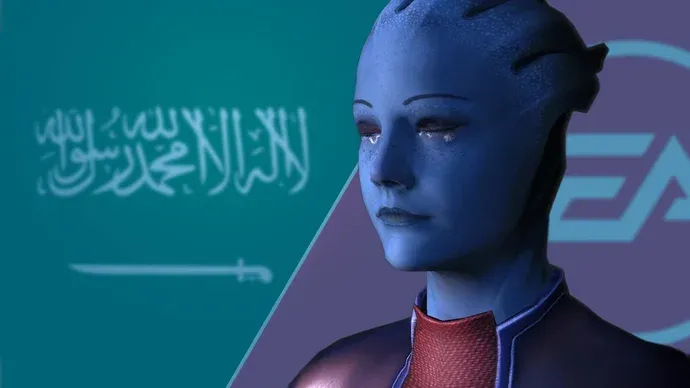
BioWare shuts down, Mass Effect 5 dead after $55B EA buyout
The legendary RPG studio's closure lands months after a $55 billion investment group buyout of EA, raising tough questions for gaming's biggest acquirers.
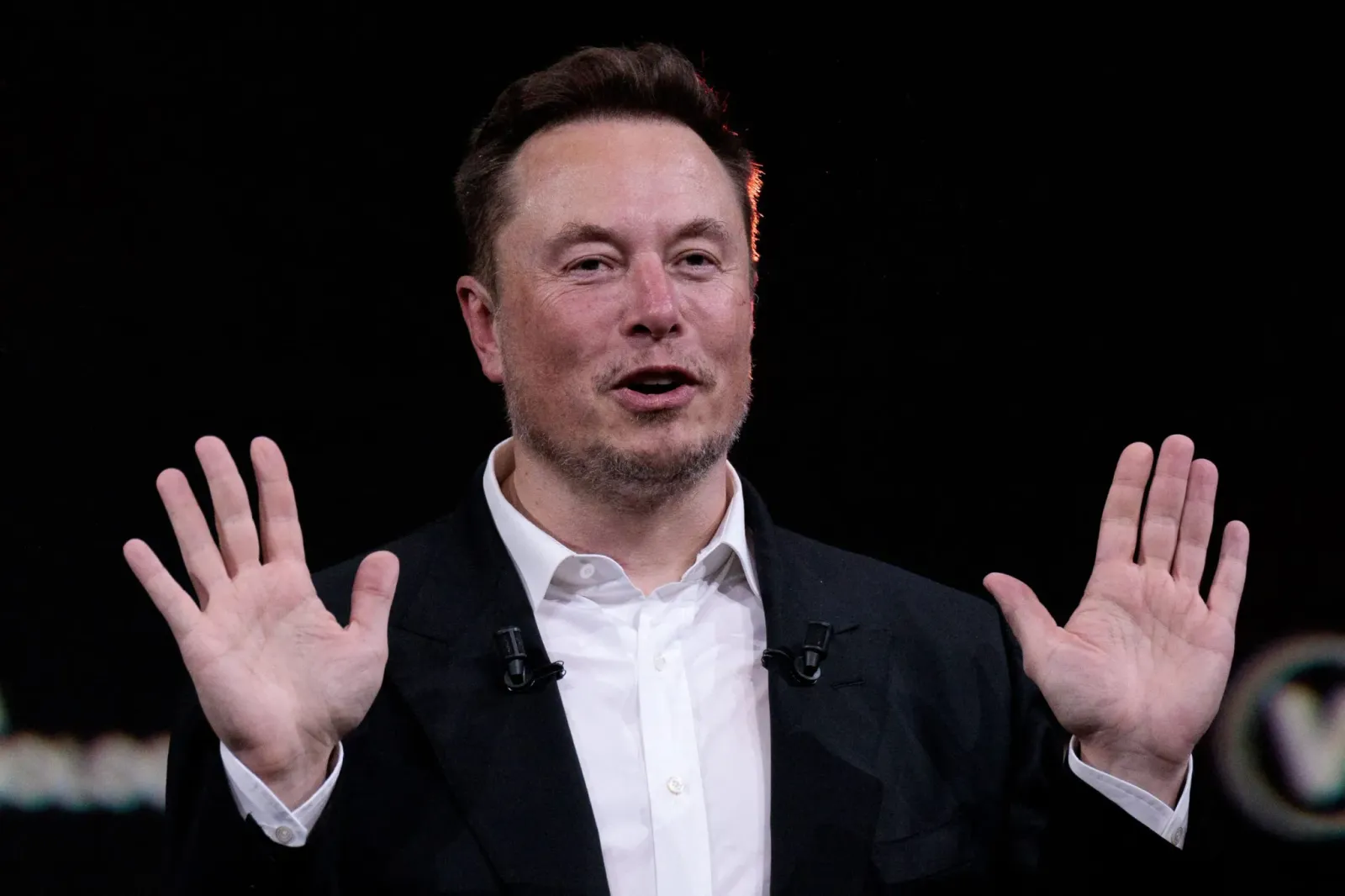
Musk barred from the room as Tesla, SpaceX boards weigh $3.5 trillion merger
The CEO of both companies is a 'conflicted party' watching independent directors negotiate a tie-up that would create a $3.5 trillion giant he would own about a third of.